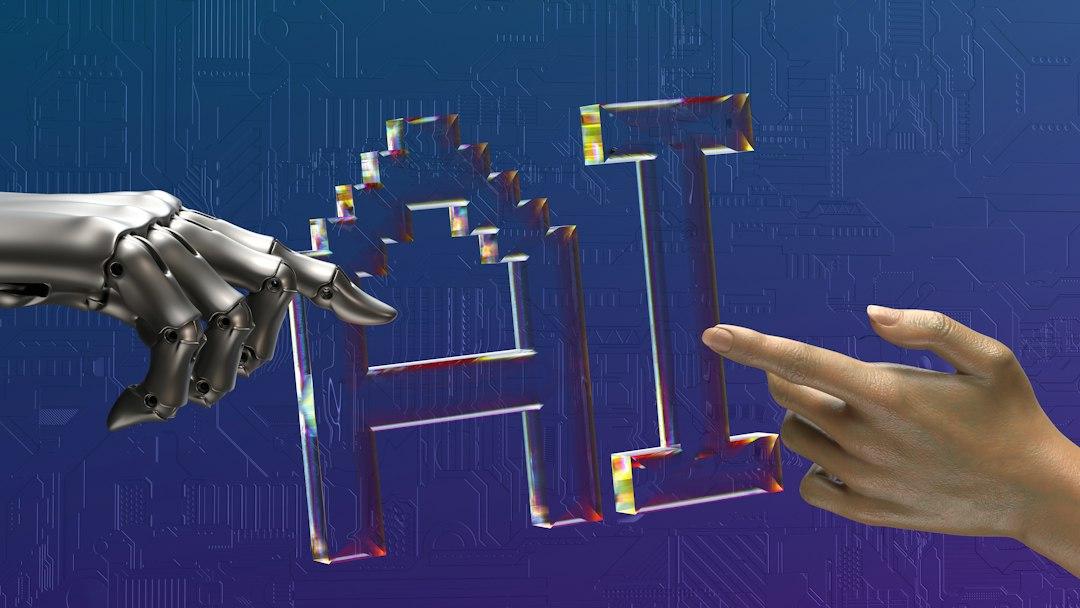
For decades, enterprise automation was defined by rigid, rule-based systems. These tools required constant manual input and were limited to executing predictable, repetitive tasks. However, the paradigm is shifting rapidly. We are entering the era of the autonomous AI agent—systems capable of reasoning, interacting with multiple software environments, and coordinating complex workflows without constant human intervention.
Recent projections indicate that AI agent adoption is set to surge by as much as 300% over the next two years. This transition is not merely a technical upgrade; it is a fundamental shift in how work gets done. As these agents move from simple chatbots to autonomous coworkers, leadership teams find themselves at a critical crossroads: how do you manage a workforce where the lines between human intuition and machine execution are increasingly blurred?
Traditional management hierarchies were built on the assumption that humans are the primary drivers of productivity. In a hybrid enterprise, the manager’s role evolves from a task-assigner to a system architect. Leaders must now understand how to orchestrate a team of both human employees and digital agents.
This requires a new set of competencies. Managers need to become adept at:
- Defining Constraints: Clearly outlining the boundaries within which AI agents are permitted to operate.
- Performance Monitoring: Developing new metrics that measure the efficacy of autonomous workflows rather than just individual output.
- Human-Centric Integration: Ensuring that AI agents act as force multipliers for human workers, rather than replacements that stifle creativity or morale.
One of the most significant hurdles for modern leaders is the "black box" problem. When an AI agent autonomously coordinates a complex task across three different software platforms, understanding how it reached a specific conclusion becomes difficult. Transparency is not just a technical requirement; it is a leadership necessity. If a manager cannot explain or justify the output of their hybrid team, they risk losing the trust of stakeholders and customers alike.
To mitigate this, forward-thinking organizations are implementing "human-in-the-loop" checkpoints. These are strategic junctures where the AI must pause and seek human validation before proceeding with high-stakes decisions. This balance ensures that machine efficiency is tempered by human judgment and ethical considerations.
Beyond the technical logistics, the human element remains the most volatile variable. Employees are naturally wary of rapid AI integration, fearing for their job security and the potential erosion of their professional value. Leadership teams must communicate a clear vision that frames AI agents as partners in productivity rather than competitors.
Training programs are shifting from basic software proficiency to "AI literacy." This involves teaching employees how to interact with agents, how to prompt them effectively, and how to audit their work. When employees feel empowered by these tools rather than threatened by them, the hybrid enterprise can unlock unprecedented levels of innovation.
As we look toward the next two years, the organizations that succeed will be those that treat AI integration as a change management project rather than a simple IT deployment. Leaders must prioritize the following:
- Iterative Deployment: Testing agent capabilities in low-risk environments before scaling them to core business processes.
- Continuous Feedback Loops: Allowing human workers to provide real-time input on AI performance to facilitate ongoing machine learning.
- Ethical Governance: Establishing strict protocols regarding data usage, bias mitigation, and the limits of autonomous agency.
The surge in AI agent adoption is inevitable, but the success of the hybrid workforce is not. It depends entirely on the ability of leadership teams to adapt their strategies to this new reality. By fostering a culture of collaboration between humans and machines, enterprises can achieve a level of agility that was previously unimaginable. The future of work is not about replacing the human touch; it is about augmenting it with the speed and precision of autonomous agents. Those who master this balance today will define the competitive landscape of tomorrow.