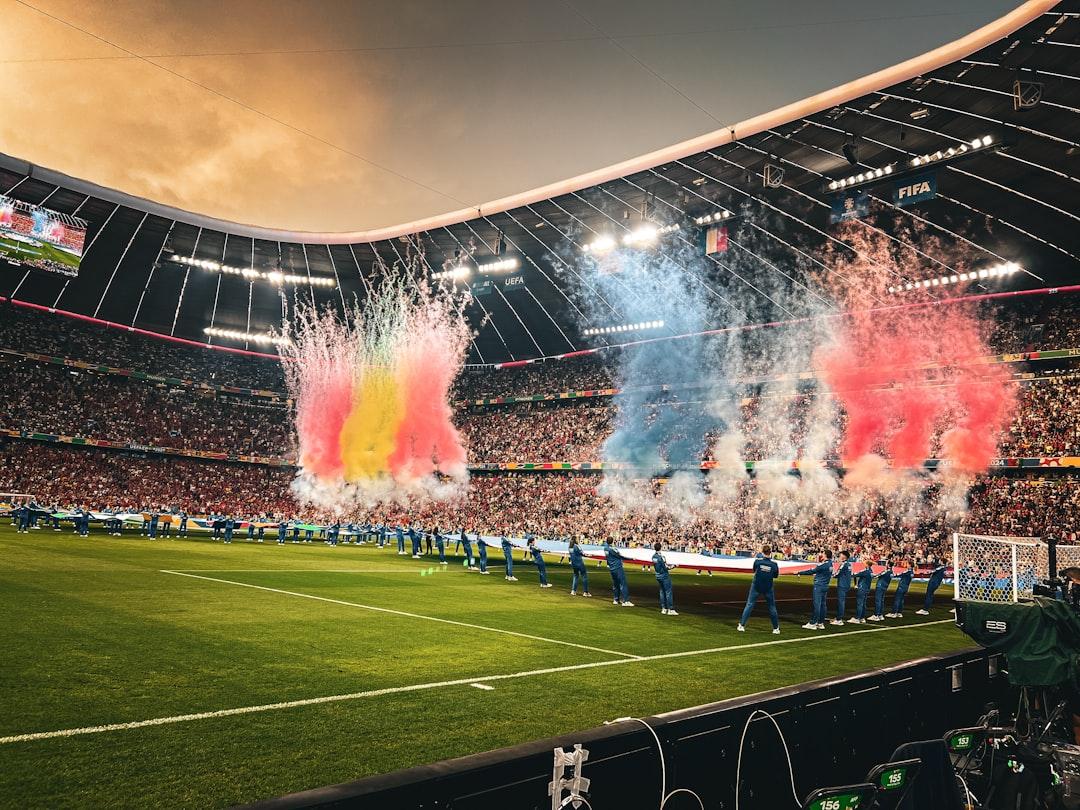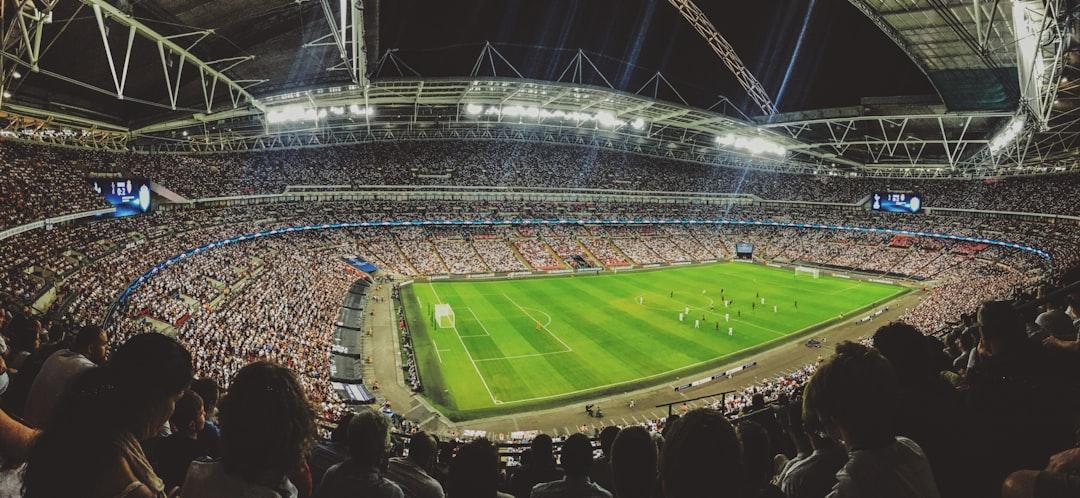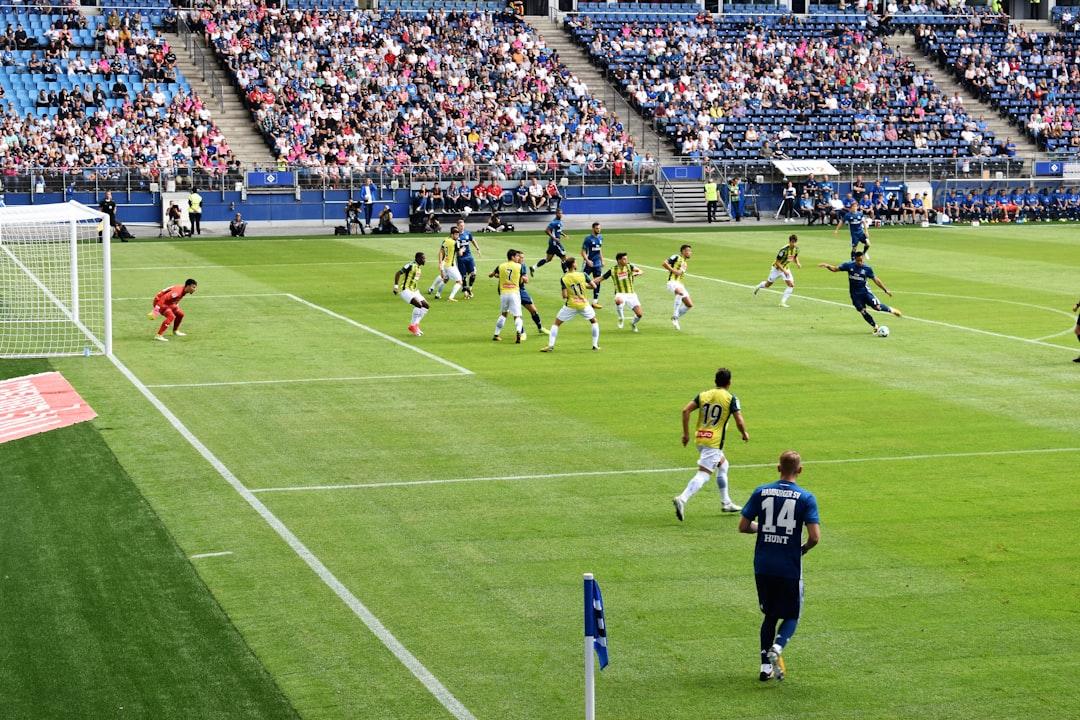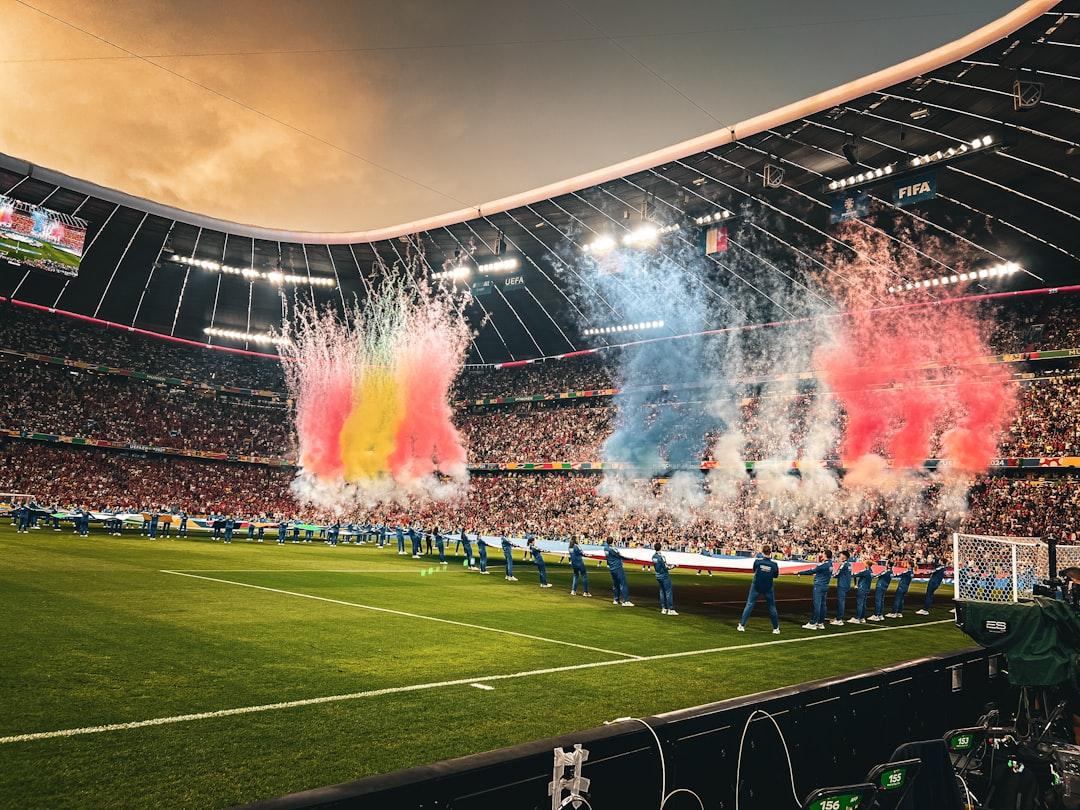
For decades, the narrative surrounding soccer in the United States was one of polite indifference. While the rest of the planet stopped for the World Cup, the American sporting landscape remained dominated by the 'Big Four': American football, baseball, basketball, and ice hockey. However, as the latest World Cup progresses into its third week, the atmosphere on the ground in the United States suggests that a fundamental shift is underway. What was once a niche interest is rapidly evolving into a mainstream cultural phenomenon.
Reporters stationed across various US cities have observed a palpable change in the public discourse. From sports bars in New York to public viewing squares in Los Angeles, the engagement levels are reaching heights previously unseen. The barriers to entry—often cited as the complexity of the rules or the perceived lack of scoring—are dissolving in the face of high-stakes international competition.
Historically, critics of soccer in the US pointed to the lack of stop-and-start action as a deterrent. Unlike the regulated, clock-managed nature of the NFL or the high-scoring frequency of the NBA, soccer’s fluid nature required a different kind of patience. Yet, the current tournament is proving that American audiences are more than willing to adapt.
Several factors are contributing to this newfound fervor:
- Global Integration: Increased access to international leagues through streaming services has created a generation of fans familiar with global stars like Kylian Mbappé and Erling Haaland long before the World Cup begins.
- The 'Event' Factor: The World Cup functions as a massive social event, drawing in casual viewers who are attracted to the spectacle, the national pride, and the dramatic narratives of the tournament.
- Youth Participation: Soccer remains one of the most popular youth sports in the US. The generation that grew up playing the game is now reaching adulthood, bringing their fandom into the professional and social spheres.
Technology has played a pivotal role in the democratization of soccer in America. With the fragmentation of traditional cable packages, digital-first platforms have made it easier than ever for fans to follow matches on the go. Whether it is a quick check of a score on a smartphone or a full-screen stream at an office desk, the game is now omnipresent.
Furthermore, the quality of coverage has evolved. Broadcasters are no longer treating the sport as an exotic curiosity but as a serious, tactical competition. This shift in journalistic tone has helped educate a wider audience, turning casual observers into informed fans who understand the nuances of the offside rule, VAR interventions, and tactical substitutions.
Beyond the screen, the economic impact is becoming impossible to ignore. Cities hosting matches are reporting record-breaking attendance figures and a surge in local tourism. Local businesses, particularly hospitality and food services, are seeing significant spikes in revenue during match days. This economic activity reinforces the legitimacy of the sport in the eyes of local government and commercial stakeholders.
Socially, the sport is acting as a bridge between diverse communities. In a country as vast and culturally varied as the United States, the World Cup provides a rare, unifying event. It is common to see neighbors of vastly different backgrounds gathering to cheer for their respective teams, fostering a unique sense of community that is often lacking in other areas of public life.
As the tournament enters its final stages, the question remains: will this fervor sustain itself once the trophy is lifted? The evidence suggests that the growth is not merely a temporary spike. Major League Soccer (MLS) continues to expand, and the infrastructure for the sport is becoming more sophisticated by the day.
While soccer may never fully replace the cultural dominance of the NFL, it has undoubtedly secured a permanent seat at the table. The United States is no longer just a spectator of the global game; it is an active participant. The 'football fever' currently gripping the nation is not a passing phase, but rather the culmination of years of grassroots growth, technological advancement, and a shifting cultural appetite for the world's most popular sport.