- European nations consistently secure the majority of quarter-final spots in World Cups.
- Financial investment and superior youth development systems are key to European success.
- Tactical convergence has allowed European teams to minimize risk and control game tempo.
- Non-European nations must improve domestic infrastructure to challenge the current status quo.
European Dominance: Why UEFA Nations Are Conquering the Global Stage
As the FIFA World Cup in North America approaches, Europe’s tactical and financial hegemony continues to squeeze out traditional rivals.
Jul 8, 2026·0 views
Key Takeaways
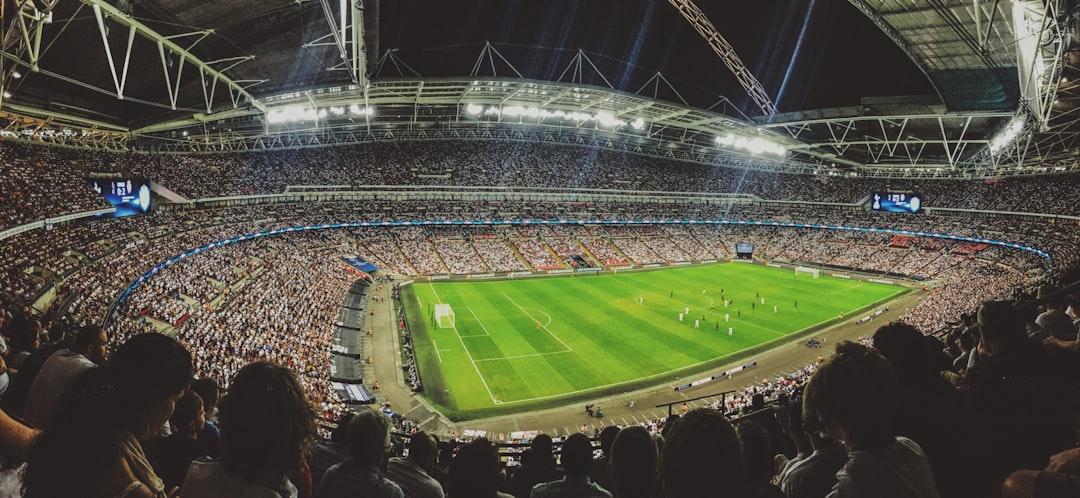
The landscape of international football is undergoing a profound shift, or perhaps more accurately, reinforcing a long-standing status quo. As we look toward the upcoming FIFA World Cup in North America, the data is impossible to ignore: European nations are not just participating; they are dominating the elite tiers of the tournament. With six out of eight quarter-finalists consistently hailing from UEFA, the question arises: is this an anomaly, or are we witnessing the inevitable result of structural superiority?
The primary driver of this sustained dominance is the sheer financial might of the European club system. The UEFA Champions League acts as a crucible for the world’s best talent. Even players from South America, Africa, and Asia often migrate to European leagues in their formative years, absorbing the tactical discipline and high-intensity training regimes that define modern European football.
Furthermore, the investment in youth academies across countries like Germany, France, Spain, and England has created a conveyor belt of talent. These nations have professionalized the development process, moving away from reliance on individual brilliance toward a systematic, data-driven approach to coaching and physical conditioning.
Historically, the World Cup was defined by the clash of styles—South American flair versus European pragmatism. However, the globalization of coaching information has led to a convergence of styles. European teams have adopted a high-pressing, possession-based game that minimizes the risk of individual errors.
By controlling the pace of the game, European giants essentially suffocate opponents who rely on counter-attacking football. This shift in tactical philosophy has made the tournament more 'predictable' in some respects, as the teams with the deepest rosters and most refined tactical systems almost always survive the group stages and the initial knockout rounds.
History tells us that once a continent gains a foothold, it rarely lets go without a significant geopolitical or sporting paradigm shift. Since the turn of the millennium, Europe has claimed the majority of World Cup titles. The 2026 tournament in North America presents a unique challenge, with travel logistics and climate variables often playing a role, yet the European juggernaut appears unfazed.
Critics argue that this dominance stifles the 'magic' of the World Cup—the potential for a Cinderella story from a smaller footballing nation. However, from a professional standpoint, the consistency of European teams suggests a level of institutional stability that other confederations struggle to replicate.
While the stats favor Europe, the beautiful game remains inherently unpredictable. South American powerhouses like Brazil and Argentina continue to produce world-class talent, and the emergence of African nations is a trend to watch. For these teams to break the European stranglehold, they must:
- Improve Tactical Discipline: Reducing defensive lapses in the final 15 minutes of matches.
- Invest in Domestic Infrastructure: Keeping top-tier talent in their home leagues longer to build chemistry.
- Embrace Sports Science: Leveraging AI and performance tracking to match the physical output of European squads.
As the tournament draws closer, the narrative remains clear: the path to the trophy almost certainly runs through a European capital. Whether this dominance is good for the sport’s global growth is a debate for another day, but for now, the data confirms that Europe is the undisputed center of the footballing universe.
Enjoying this article?
Get the daily AI briefing sent straight to your inbox.
Frequently Asked Questions
Why do European teams dominate the World Cup?
European teams benefit from superior financial resources, highly developed youth academies, and a tactical discipline fostered by playing in the world's most competitive club leagues.
Is the World Cup becoming too predictable?
While the dominance of a few European nations may seem predictable, the tournament remains a high-stakes environment where tactical adjustments and sports science play a critical role in outcome.
Comments
0Please sign in to leave a comment.
Related articles
Athletic Club Crisis: Gorka Guruzeta Out for Season With ACL Injury
Athletic Club confirms Gorka Guruzeta will miss the remainder of the season after suffering a season-ending cruciate ligament injury against Valencia CF.
Napoli Star Alisson Santos Faces Another Injury Setback After Return
Napoli’s momentum hits a snag as Alisson Santos suffers a fresh injury blow immediately following his return to the pitch.
Kamari Doyle Urges Leicester City to Build Momentum After Doncaster Victory
Leicester City midfielder Kamari Doyle believes the club's recent triumph over Doncaster is the catalyst needed to spark a consistent winning streak.