- The mid-tournament break serves as a strategic reflection point for the global sports industry and fan engagement metrics.
- Buenos Aires remains the gold standard for football passion, providing a cultural blueprint for future host cities in North America.
- Atlanta is positioned as a key technological and logistical hub for the 2026 World Cup, utilizing AI and smart stadium infrastructure.
- The 'Messi Effect' has created a commercial and cultural bridge between South American tradition and the burgeoning US soccer market.
The Global Pulse of Football: From Buenos Aires’ Glory to Atlanta’s 2026 Ambition
Analyzing the cultural and economic shift as the FIFA World Cup pivots from historic South American triumphs toward a North American revolution.
Jul 8, 2026·0 views
Key Takeaways
For the first time in nearly a month, the rhythmic thrum of the FIFA World Cup has paused. To the casual observer, a day without matches is merely a gap in the television schedule. To the global sports ecosystem, however, this silence is a moment of profound reflection and strategic recalibration. The transition from the high-octane drama of the knockout stages to the final crescendo offers a unique lens through which we can view the cultural and economic impact of the world's most popular sport.
From the chaotic, joy-filled streets of Buenos Aires to the burgeoning soccer hubs of Atlanta, the "madness" described in recent dispatches is more than just fandom; it is a testament to the sport's unparalleled ability to halt global productivity and unify disparate geographies. As we look toward the 2026 expansion, these moments of pause are becoming increasingly rare and increasingly valuable for analysts and fans alike.
The scenes coming out of Argentina—where millions gathered to celebrate a legacy defined by Lionel Messi—provide the ultimate blueprint for what the World Cup means to a nation's identity. In Buenos Aires, the tournament is not a series of games; it is a socio-political event that transcends economic hardship. This level of engagement is what FIFA seeks to replicate and monetize as the tournament moves to North America.
For Imai News, the analytical takeaway is clear: the "passion economy" is the primary driver of World Cup value. When we see fans in Atlanta reacting with equal fervor to matches occurring thousands of miles away, it signals a shift in the American sporting consciousness. The viral moments—the humor, the tears, and the sheer absurdity of fan celebrations—are the currency of the modern digital age, driving billions in social media impressions and setting the stage for the most commercially ambitious World Cup in history in 2026.
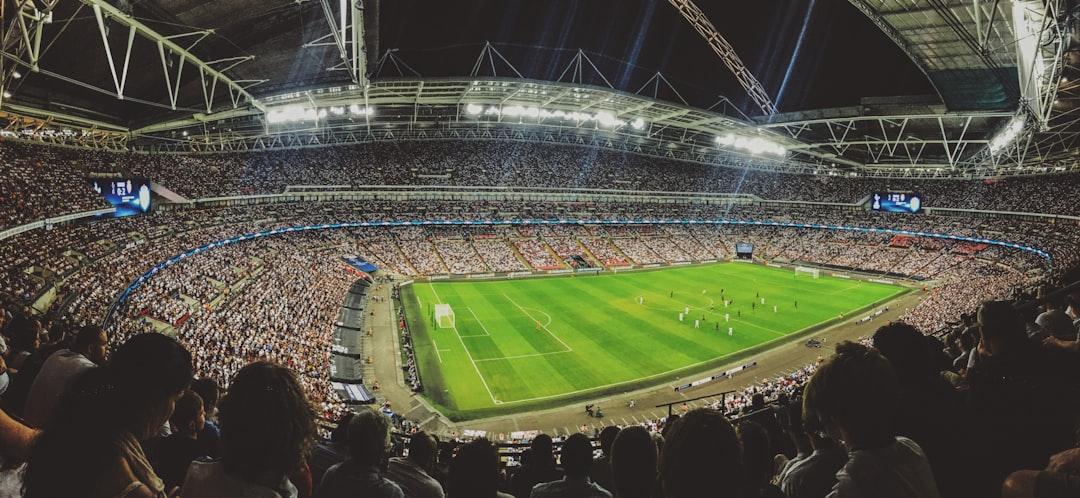
Atlanta’s mention alongside Buenos Aires is no coincidence. As a primary host city for the FIFA World Cup 2026, Atlanta represents the future of the sport in the United States. Mercedes-Benz Stadium, with its state-of-the-art retractable roof and massive circular LED display, stands as a cathedral of modern sports technology. It is here that the intersection of Tech and Sports—core pillars of Imai News—will be most visible.
The city has already proven its mettle with Atlanta United’s record-breaking attendances, but the World Cup is a different beast. The logistical orchestration required to host the world’s elite will involve AI-driven crowd management, high-speed 5G connectivity for real-time fan engagement, and a sustainable infrastructure plan that will serve as a model for future mega-events. The "madness" seen today in Atlanta’s fan zones is a dress rehearsal for the unprecedented scale of the 48-team tournament on the horizon.
In the gap between matches, we must also consider the technological leaps that have defined recent tournaments. The implementation of semi-automated offside technology and AI-assisted VAR (Video Assistant Referee) has sparked intense debate, yet it represents the inevitable integration of data science into the beautiful game.
- Real-Time Data Analytics: Players are now tracked with sub-second latency, providing broadcasters with instant metrics on sprint speeds, passing lanes, and physical exertion.
- AI Content Generation: As seen in the viral clips shared across social media, AI is now used to curate highlight reels and translate commentary in real-time, making the World Cup more accessible to a global audience than ever before.
- Enhanced Connectivity: For cities like Atlanta and Buenos Aires, the 2026 cycle will prioritize "Smart Stadium" features, allowing fans to interact with the game via augmented reality (AR) overlays on their mobile devices.
We cannot discuss the current state of global football without acknowledging the seismic impact of Lionel Messi’s move to Major League Soccer (MLS). This move has effectively bridged the gap between the traditional footballing powerhouses of South America and the emerging market of the United States. The commercial synergy between a World Cup victory in Qatar and the upcoming 2026 tournament in North America is a windfall for sponsors like Adidas, Coca-Cola, and Visa.
Economically, the World Cup acts as a catalyst for urban development. In Atlanta, the influx of international visitors is expected to generate hundreds of millions in local revenue. However, the challenge remains: how to maintain that momentum once the final whistle blows? The answer lies in the infrastructure and the growing domestic interest that transforms a four-week tournament into a lifelong obsession for a new generation of fans.
As we endure the temporary absence of live matches, the focus shifts to the long-term trajectory of the sport. The 2026 FIFA World Cup will be the largest ever, spanning three nations and featuring a record number of teams. It will be a test of logistics, technology, and cultural cohesion.
The madness we witness today—the humor in the stands, the tension of the penalty shootout, and the collective breath-hold of a city—is the heartbeat of the World Cup. Whether you are in the historic plazas of Buenos Aires or the high-tech corridors of Atlanta, the message is the same: football is no longer just a game; it is a global digital and physical phenomenon that is only just beginning its next great expansion.
Enjoying this article?
Get the daily AI briefing sent straight to your inbox.
Frequently Asked Questions
Why is Atlanta significant for the 2026 FIFA World Cup?
Atlanta is a primary host city, featuring Mercedes-Benz Stadium. It is considered the 'Soccer Capital of the South' and will host several key matches, including a semifinal, due to its world-class infrastructure and growing fan base.
How is AI changing the FIFA World Cup experience?
AI is being integrated through semi-automated offside technology, real-time player data analytics for broadcasters, and AI-driven crowd management systems to enhance safety and fan logistics in host cities.
What is the economic impact of the World Cup on host cities?
Host cities typically see hundreds of millions of dollars in economic activity through tourism, hospitality, and infrastructure investment, though the long-term benefit depends on sustainable planning and post-tournament facility use.
Comments
0Please sign in to leave a comment.
Related articles
Athletic Club Crisis: Gorka Guruzeta Out for Season With ACL Injury
Athletic Club confirms Gorka Guruzeta will miss the remainder of the season after suffering a season-ending cruciate ligament injury against Valencia CF.
Napoli Star Alisson Santos Faces Another Injury Setback After Return
Napoli’s momentum hits a snag as Alisson Santos suffers a fresh injury blow immediately following his return to the pitch.
Kamari Doyle Urges Leicester City to Build Momentum After Doncaster Victory
Leicester City midfielder Kamari Doyle believes the club's recent triumph over Doncaster is the catalyst needed to spark a consistent winning streak.