The software development lifecycle (SDLC) is undergoing its most significant shift since the advent of cloud computing. For global technology services provider Endava, the transition isn't just about adopting new tools; it is about fundamentally redesigning the architecture of delivery through AI agents. By integrating OpenAI’s ChatGPT Enterprise and advanced code-generation capabilities, the company is moving toward an "AI-native" culture that prioritizes automation, speed, and precision.
Traditionally, software engineering has been a labor-intensive process defined by manual coding, extensive debugging, and complex documentation requirements. Endava’s strategy seeks to offload these repetitive tasks to AI agents, allowing human engineers to focus on high-level architectural decisions and creative problem-solving. This shift is not merely incremental; it represents a systemic change in how projects are scoped, developed, and maintained.
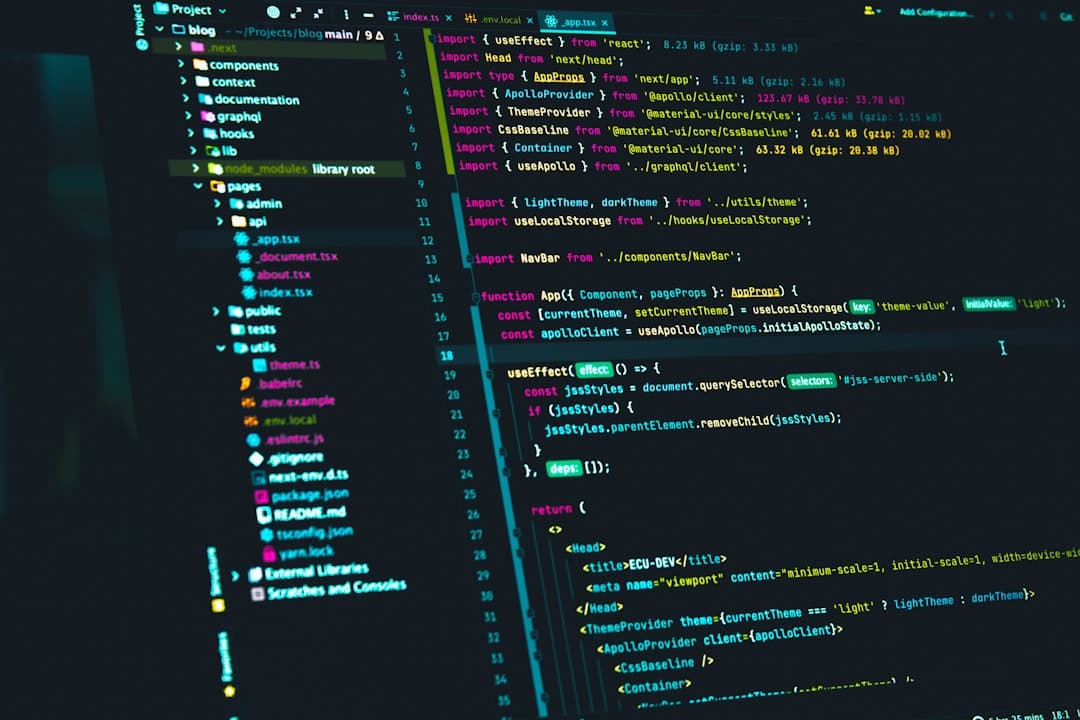
At the heart of Endava’s transformation are AI agents—autonomous or semi-autonomous software entities capable of performing tasks that previously required human intervention. Unlike standard chatbots, these agents are integrated directly into the development environment, where they can analyze codebases, suggest optimizations, and even execute testing protocols.
Endava has identified several key areas where AI integration provides an immediate competitive advantage:
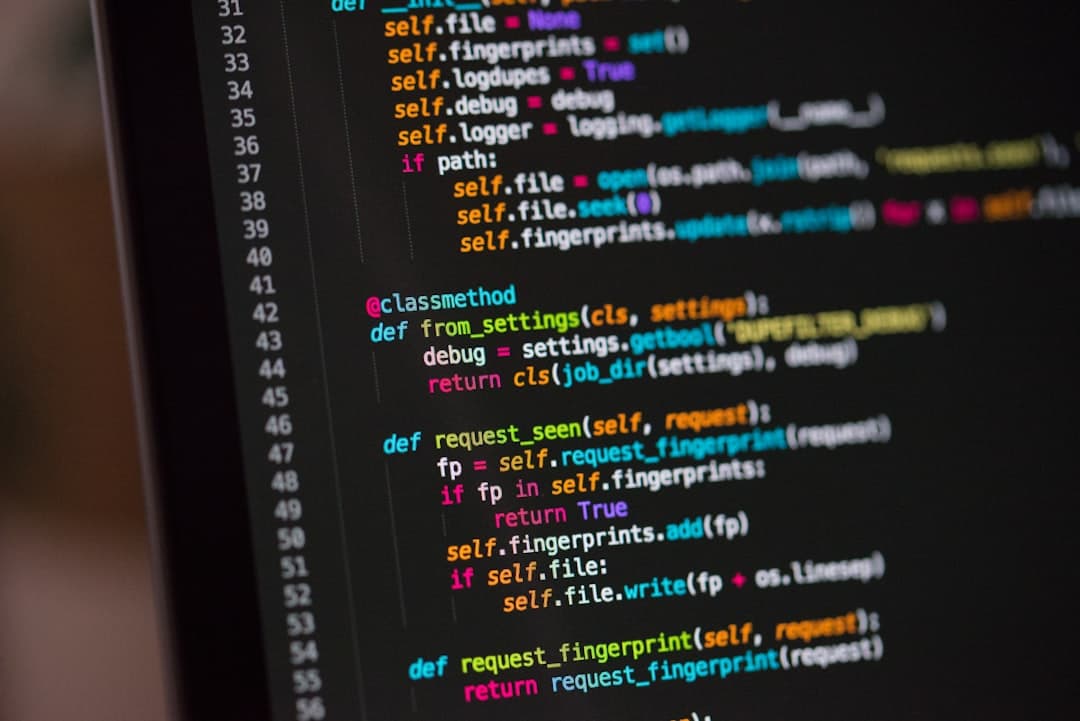
- Automated Code Generation: Utilizing models like Codex, developers can now generate boilerplate code and complex functions in seconds, drastically reducing the time spent on routine programming tasks.
- Intelligent Debugging: AI agents act as a first line of defense, scanning code for vulnerabilities and performance bottlenecks before human engineers even begin their review.
- Workflow Automation: Beyond the code itself, agents are being used to automate project management tasks, such as updating documentation, tracking ticket statuses, and summarizing meeting notes for distributed teams.
- Contextual Knowledge Retrieval: By leveraging ChatGPT Enterprise, engineers can query internal documentation and technical standards, ensuring that large-scale teams remain aligned on best practices without constant manual oversight.
Technology is only as effective as the people who wield it. Endava recognizes that the move to AI-assisted development requires a cultural shift. This involves training developers to move from "writers of code" to "orchestrators of AI systems."
This transition fosters an environment where continuous learning is prioritized. As agents take over the heavy lifting of syntax and basic logic, Endava engineers are encouraged to deepen their expertise in systems design, security architecture, and user experience. This pivot ensures that the workforce remains highly relevant, even as the tools of the trade evolve at an unprecedented pace.
Implementing AI across a global enterprise comes with significant challenges, particularly regarding security and intellectual property. Endava’s partnership with OpenAI is built on the foundation of ChatGPT Enterprise, which offers the privacy and governance controls necessary for large-scale corporate environments.
By keeping sensitive data within a secure, controlled ecosystem, Endava ensures that their clients' proprietary code remains protected while still benefiting from the massive intelligence provided by state-of-the-art large language models. This balance of innovation and security is critical for businesses operating in highly regulated industries such as finance, healthcare, and retail.
The long-term vision at Endava is the realization of truly autonomous delivery pipelines. In this future state, an AI agent could potentially intake a business requirement, draft the corresponding technical specifications, write the code, execute unit tests, and deploy the application to a staging environment—all while a human supervisor monitors the process for quality and compliance.
While we are not yet at a point where AI replaces the need for human oversight, the gap is closing. Endava’s proactive approach to integrating these tools demonstrates that the companies most likely to succeed in the coming decade will be those that view AI not as a threat to traditional engineering, but as a force multiplier for human creativity. As the software industry continues to grapple with the complexities of digital transformation, Endava’s blueprint offers a compelling look at how the next generation of software will be built.