- Didier Deschamps publicly criticized refereeing decisions after France's semifinal loss to Spain.
- A controversial first-half penalty was the primary point of contention for the French coach.
- Deschamps questioned the consistency and threshold for VAR intervention in high-stakes matches.
- The loss has sparked a broader debate regarding the role of technology in football officiating.
Deschamps Decries Officiating Following France’s World Cup Exit to Spain
The French manager challenges the consistency of VAR and refereeing decisions after a pivotal semifinal clash.
Jul 15, 2026·0 views
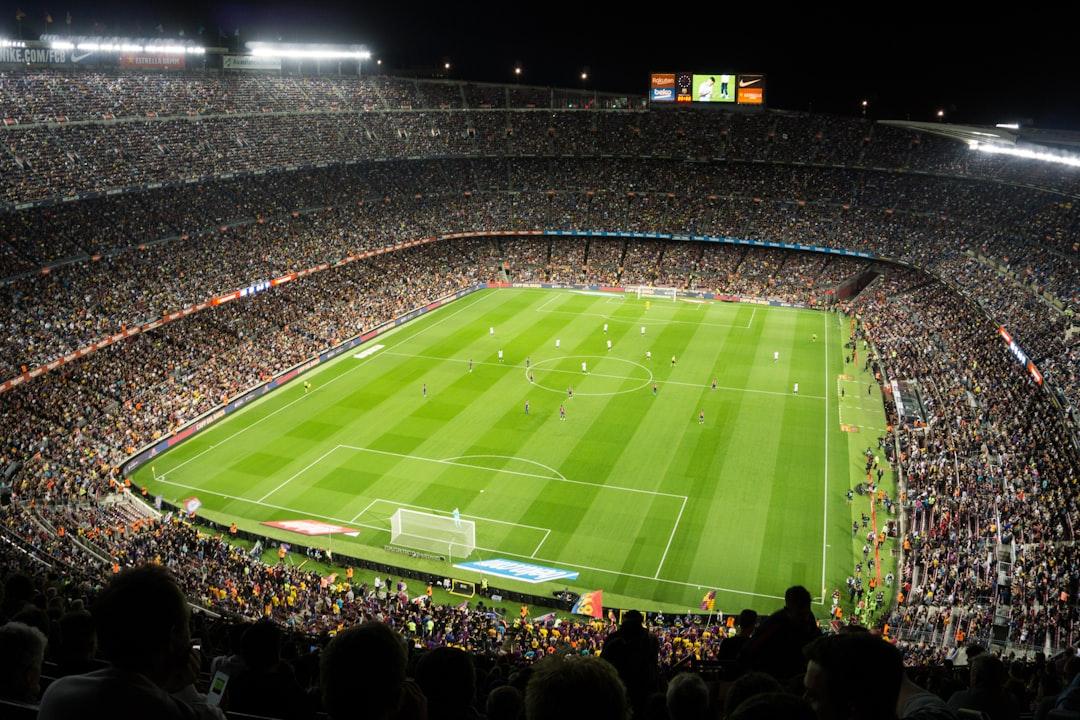
Key Takeaways
The dream of securing another World Cup trophy has come to a sudden and bitter end for France. Following a high-stakes semifinal encounter against Spain, French head coach Didier Deschamps did not mince words regarding the officiating standards that defined the match. While Spain celebrates a hard-fought victory, the post-match discourse in the French camp has been dominated by frustration over critical refereeing decisions that many believe fundamentally altered the trajectory of the game.
At the heart of the controversy was a first-half penalty decision that handed Spain the opening goal. For Deschamps, the incident was far from a clear-cut foul, and he spent much of his post-match media availability questioning the consistency of the officiating team and the intervention of the Video Assistant Referee (VAR) system. The French manager, known for his composed demeanor, appeared visibly agitated as he dissected the pivotal moments that led to his side's early exit from the tournament.
The incident occurred deep in the first half, a moment that shifted the momentum entirely in favor of the Spanish side. As the ball entered the box, a collision between the French defense and the Spanish forward resulted in the referee pointing to the spot. While replays showed contact, critics and the French staff argue that the contact was minimal and did not warrant a penalty kick at such a high level of competition.
"It is difficult to accept that a match of this magnitude is decided by a decision that remains, at best, borderline," Deschamps stated during the press conference. The French coach went on to emphasize that the lack of uniformity in how VAR is applied across different games remains a significant hurdle for the sport. By taking the lead through this penalty, Spain was able to implement a more defensive, controlling game plan, forcing France to chase the game and abandon their initial tactical structure.
Deschamps’ complaints extend beyond a single incident. The French coach highlighted a growing trend of frustration among managers regarding the lack of transparency in officiating. He argued that when technology is used to influence the outcome of a game, there must be a higher threshold for intervention. According to Deschamps, the "borderline" nature of the call should have resulted in the referee sticking to their original on-field decision rather than relying on the VAR booth to dictate the flow of the match.
This sentiment is shared by many analysts who feel that the current application of VAR has removed the "human element" of the game, replacing it with a clinical, yet often inconsistent, interpretation of the rules. For France, the loss is not just about a missed opportunity to reach the final; it is about the feeling that they were denied a fair chance to compete on equal footing.
As the tournament moves toward the final stages, the debate over officiating quality is likely to continue. The International Football Association Board (IFAB) and FIFA will undoubtedly face pressure to provide more clarity on how VAR is utilized in high-pressure situations. For Deschamps, the damage is already done. His focus now shifts to the future of the French national team and how they can overcome such setbacks in future cycles.
Despite the controversy, Spain’s performance cannot be entirely dismissed. Their ability to capitalize on the penalty and maintain their defensive shape was a testament to their tactical discipline. However, for the millions of fans watching, the conversation remains centered on whether the game was decided by the players on the pitch or the officials in the booth. As France prepares to head home, the echoes of Deschamps’ post-match critiques serve as a stark reminder of the complexities inherent in modern football officiating.
Enjoying this article?
Get the daily AI briefing sent straight to your inbox.
Frequently Asked Questions
Why did Didier Deschamps criticize the referee after the Spain match?
Deschamps took issue with a borderline first-half penalty decision that he felt unfairly influenced the outcome of the semifinal game.
What is the primary concern regarding VAR mentioned in the article?
The primary concern is the lack of consistency in how VAR is applied and the feeling that it interferes too heavily in borderline calls.
Comments
0Please sign in to leave a comment.
Related articles
The Messi Blueprint: How Argentina Built a Dynasty Around Their Captain
Discover how Argentina moved beyond individual brilliance to create a cohesive squad culture that has redefined the Lionel Messi era.
England vs. Argentina: A Defining Semifinal Clash for the Three Lions
England faces Argentina in a high-stakes World Cup semifinal, with the weight of history and national expectation hanging in the balance.
Spain Stuns France: La Roja Advance to 2026 World Cup Final
Spain secures a dominant 2-0 victory over tournament favorites France, sealing their spot in the World Cup Final and sending ripples through the football world.