- Spain defeated France in the World Cup semifinals through superior tactical organization.
- Luis de la Fuente utilized a dual-pivot system featuring Rodri and Fabián Ruiz to control the midfield.
- The tactical plan focused on neutralizing France's counter-attacking threats by maintaining high possession.
- Spain's disciplined game management proved more effective than France's reliance on individual physical dominance.
Tactical Masterclass: How De la Fuente’s Pivot System Toppled France
Spain’s tactical discipline and the synergy between Rodri and Fabián Ruiz proved the difference in a high-stakes semifinal showdown.
Jul 15, 2026·0 views
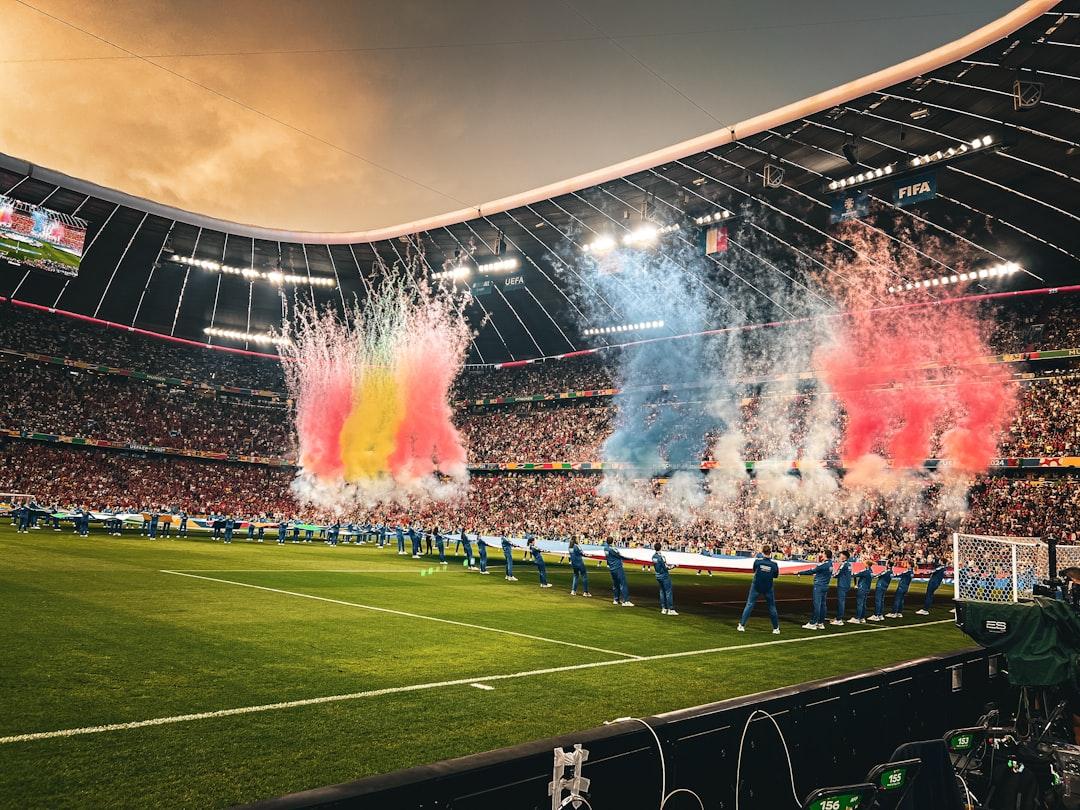
Key Takeaways
In the high-pressure environment of the World Cup semifinals in Arlington, Texas, the clash between two of the world’s elite footballing nations was expected to be a grueling test of endurance. Spain, under the guidance of Luis de la Fuente, entered the match with a clear objective: to neutralize the sheer physical power of the French side by controlling the tempo of the game through midfield supremacy. The result was not just a victory, but a statement of intent that tactical discipline remains the most potent weapon in modern football.
At the heart of this success were two players who have become the engine room of the Spanish national team: Rodri and Fabián Ruiz. While much of the pre-match conversation centered on individual stars and the history of the two teams, De la Fuente’s focus remained on the structural integrity of his midfield pivot. By allowing these two playmakers to dictate the rhythm, Spain effectively stifled France’s counter-attacking threats before they could materialize.
To understand how Spain managed to upset a highly favored French side, one must look at the specific roles assigned to Rodri and Fabián Ruiz. Rodri, often lauded for his defensive reading of the game and his ability to recycle possession, operated as the stabilizing force. His positioning allowed Spain to sustain pressure in the final third, ensuring that France could not easily bypass the midfield line.
Fabián Ruiz, conversely, provided the creative spark that connected the defensive unit to the attacking line. His ability to operate in tight spaces and deliver progressive passes forced the French defenders to pull out of their designated zones, creating gaps that Spain’s wingers were quick to exploit. This dual-pivot system served two distinct purposes:
- Defensive Shielding: By maintaining a compact structure, the pair ensured that France’s transition play—their most lethal asset—was consistently cut off.
- Controlled Possession: Instead of rushing attacks, Spain used the ball to draw France out, maintaining a high pass completion rate that frustrated the French side throughout the 90 minutes.
Luis de la Fuente’s tenure as the Spanish manager has often been defined by his commitment to a specific style of play, but his tactical flexibility in this semifinal proved his critics wrong. Recognizing that France relied heavily on physical dominance, De la Fuente opted for a game plan that prioritized technical superiority.
By instructing his team to prioritize short, sharp passing sequences, he denied France the opportunity to engage in the physical battles they thrive on. This was a masterclass in game management. Spain’s ability to remain composed under pressure, particularly during the closing stages of the match, highlighted a maturity that has been absent in previous tournament runs. The tactical discipline shown by the squad was a direct reflection of the manager’s clear communication and the players’ willingness to sacrifice individual glory for the sake of the team structure.
As the dust settles on this intense encounter, the focus shifts to what this means for the remainder of the tournament. Spain has proven that they are not just a collection of talented individuals, but a well-oiled machine capable of dismantling even the most formidable defensive setups. The victory over France serves as a blueprint for how to handle elite opposition in knockout stages.
For France, the loss is a sobering reminder that talent alone is often insufficient when faced with a team that has a clear identity and a rigid tactical plan. As for Spain, the momentum gained from this victory will surely make them the team to beat in the final. If Rodri and Ruiz can maintain this level of synergy, there is little doubt that the Spanish squad has the tools to go all the way and lift the trophy. The world of football has taken notice: Spain is back, and they are playing with a purpose that is as calculated as it is effective.
Enjoying this article?
Get the daily AI briefing sent straight to your inbox.
Frequently Asked Questions
How did Spain beat France in the World Cup semifinal?
Spain utilized a tactical dual-pivot midfield system with Rodri and Fabián Ruiz to control possession and neutralize France's counter-attacking threats.
What was the key role of Rodri in the Spain vs France match?
Rodri served as the stabilizing defensive force, reading the game to recycle possession and prevent France from bypassing the midfield.
Who is the manager of the Spanish national team?
The Spanish national team is managed by Luis de la Fuente, who has implemented a highly disciplined, possession-based tactical system.
Comments
0Please sign in to leave a comment.
Related articles
The Messi Blueprint: How Argentina Built a Dynasty Around Their Captain
Discover how Argentina moved beyond individual brilliance to create a cohesive squad culture that has redefined the Lionel Messi era.
England vs. Argentina: A Defining Semifinal Clash for the Three Lions
England faces Argentina in a high-stakes World Cup semifinal, with the weight of history and national expectation hanging in the balance.
Spain Stuns France: La Roja Advance to 2026 World Cup Final
Spain secures a dominant 2-0 victory over tournament favorites France, sealing their spot in the World Cup Final and sending ripples through the football world.