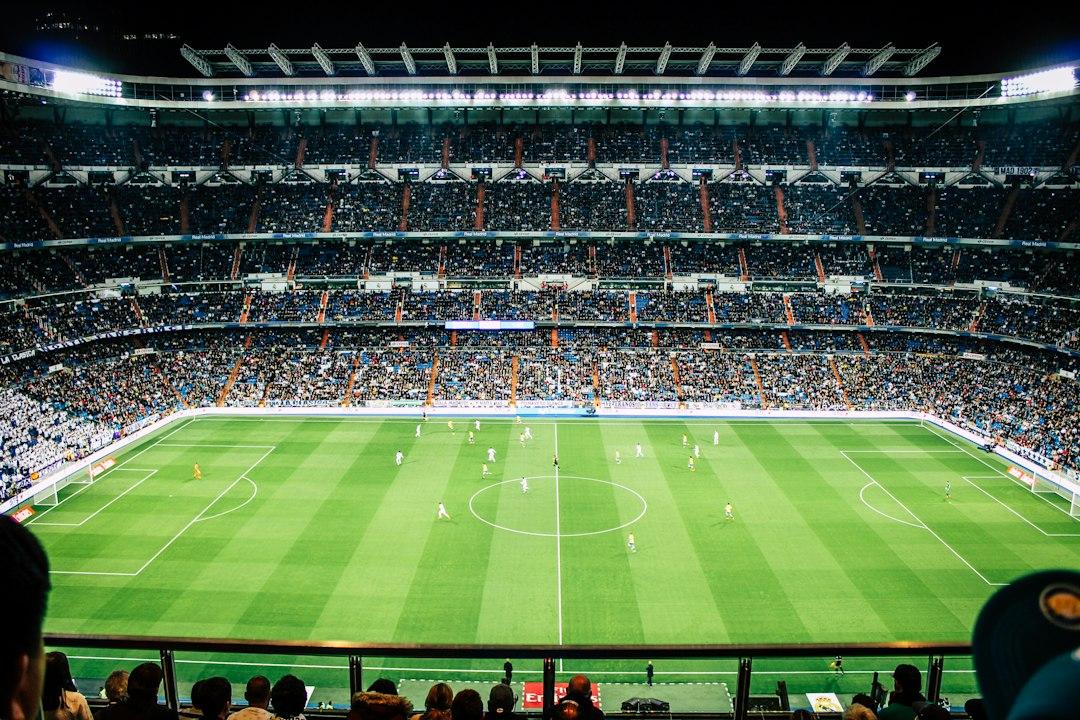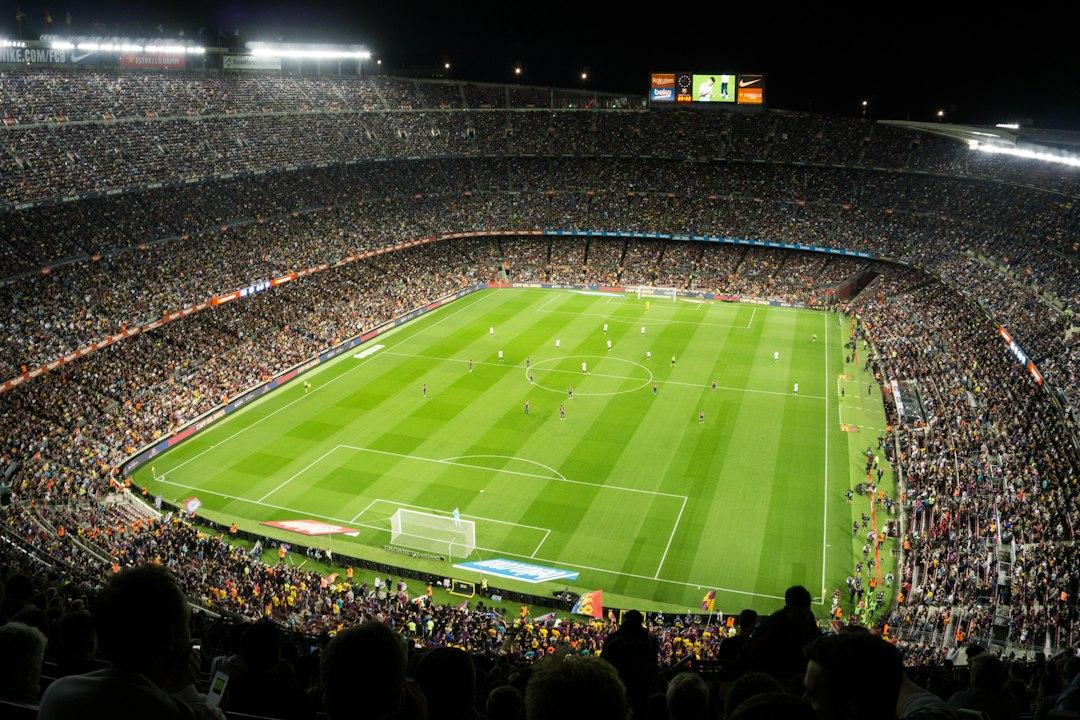
In the high-stakes arena of global sports entertainment, the FIFA World Cup stands as the ultimate crown jewel, attracting billions of viewers worldwide. However, a startling revelation has exposed just how fragile the digital scaffolding supporting this massive spectacle truly is. A security researcher recently discovered a critical vulnerability within FIFA's internal online platforms that granted unauthorized access to sensitive internal systems—including a control mechanism that could have allowed an attacker to hijack the live television stream of every single World Cup match.
This flaw was not merely a passive data leak; it was a structural doorway into the heart of the world's most-watched broadcast. Had a malicious actor exploited this vulnerability before it was patched, the geopolitical, financial, and cultural fallout would have been unprecedented. As broadcasting transitions from traditional satellite feeds to highly integrated, cloud-native pipelines, this incident serves as a stark wake-up call for the media industry.
The vulnerability, uncovered by an independent security researcher, targeted the web-based portals and APIs that FIFA uses to manage its global broadcast operations. Modern live sports production is no longer a localized affair. It relies on complex, distributed networks where video feeds, graphics, commentaries, and commercial overlays are coordinated via cloud-based control panels.
According to the researcher, the flaw allowed her to bypass standard authentication protocols. Once inside, she gained access to administrative dashboards with direct influence over the live feed distribution.
- Stream Redirection: The ability to reroute the primary broadcast feed to an external, unauthorized source.
- Content Manipulation: The potential to inject unauthorized video, audio, or graphical overlays directly into the live broadcast watched by billions.
- System Disruption: The power to take the stream entirely offline, disrupting broadcasting agreements worth billions of dollars.
Fortunately, the researcher responsibly disclosed the bug to FIFA, and the governing body acted swiftly to patch the vulnerability before it could be exploited in the wild. However, the ease with which this access was obtained highlights a systemic issue in how major entertainment organizations secure their digital perimeters.
To fully understand the gravity of this vulnerability, one must look at it through the lens of modern technological capabilities—specifically, generative artificial intelligence. In previous decades, hijacking a TV stream meant displaying a static message, a political manifesto, or a pirate broadcast. Today, the threat is infinitely more sophisticated.
If a threat actor had taken control of the World Cup feed, they could have utilized real-time AI video and audio synthesis to perpetrate highly damaging hoaxes.
Imagine a scenario where a live match is digitally altered in real-time: a controversial, non-existent penalty is rendered on screen, a player appears to make an offensive gesture, or an AI-generated emergency alert is broadcast to hundreds of millions of households simultaneously. The potential for market manipulation, civil unrest, and reputational destruction is immense. This is no longer science fiction; real-time deepfake technology has advanced to the point where live stream hijacking represents a viable vector for cognitive warfare.
The shift toward cloud-based broadcasting and IP-delivered video has enabled unprecedented flexibility and cost savings for media conglomerates. It allows production teams to edit, mix, and broadcast matches from thousands of miles away. However, this transition has also dramatically expanded the attack surface.
Legacy broadcast security relied on physical security—unauthorized access required physical entry into a broadcast truck or a satellite uplink facility. In contrast, modern IP-based broadcasting relies heavily on APIs, web portals, and third-party software integrations.
If these digital touchpoints are not secured with rigorous zero-trust architectures, they become vulnerable to common web exploits, such as broken object-level authorization (BOLA), credential stuffing, and server-side request forgery (SSRF). The FIFA bug is a textbook example of how a vulnerability in a web platform can cascade into physical-world disruptions.
As the threats to digital infrastructure grow more complex, manual security audits and periodic penetration testing are no longer sufficient to protect high-profile global events. The media and entertainment industries must adopt proactive, AI-driven security measures to safeguard their pipelines.
Many organizations do not have a complete inventory of their active APIs, leading to "shadow APIs" that remain unpatched. AI-driven security tools can continuously map an organization's digital footprint, identifying exposed endpoints and misconfigured access controls in real-time.
AI models can be trained to understand the baseline behavior of legitimate broadcast operators. If an administrative account suddenly attempts to modify a stream routing protocol from an unusual location or at an unexpected time, machine learning algorithms can instantly flag and isolate the session before any changes are broadcast.
Instead of relying on annual security assessments, organizations should employ automated AI red teaming platforms. These systems simulate sophisticated cyberattacks around the clock, identifying zero-day vulnerabilities in internal platforms before human researchers—or malicious hackers—can find them.
The FIFA World Cup incident is a warning shot across the bow of the global sports and entertainment industry. It demonstrates that the systems responsible for delivering content to billions of screens are just as vulnerable to cyber threats as financial institutions or government databases.
As we look forward to future mega-events, security cannot be treated as an afterthought or a secondary IT concern. It must be woven into the very fabric of the broadcast pipeline. Only by embracing robust security protocols, zero-trust architectures, and AI-driven threat detection can the media industry ensure that the world's greatest stage remains secure.