- Real Madrid is sticking to its refusal to sign Rodri, despite his dominant performance at the 2026 FIFA World Cup.
- Madrid's recruitment strategy now prioritizes younger players with high physical output and long-term value over established veterans.
- The financial cost of a Premier League star like Rodri is deemed too high for a club focusing on sustainable wage structures.
- Stylistically, Madrid's 'heavy metal' transitional play differs from the possession-based rhythm Rodri provides at Manchester City.
- This move signals a shift in the football market, where 'World Cup heroics' no longer guarantee a move to elite clubs like Real Madrid.
Beyond the World Cup Glow: Why Real Madrid is Resisting the Rodri Hype
Despite a stellar 2026 FIFA World Cup, the Manchester City anchor finds himself outside the Bernabéu’s long-term strategic blueprint.
Jul 13, 2026·0 views
Key Takeaways
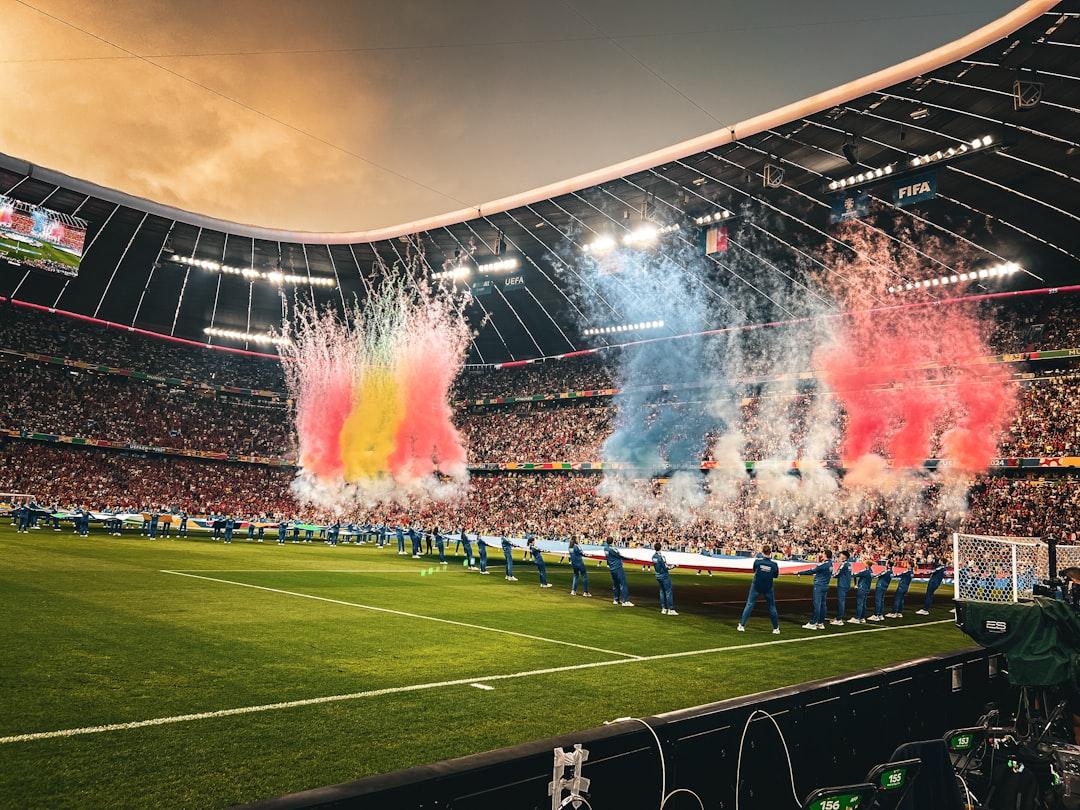
The dust has barely settled on the 2026 FIFA World Cup, a tournament that redefined the global footballing landscape across North America. While the tournament served as a launchpad for emerging stars, it also solidified the legendary status of established veterans. Among those who reached the zenith of their powers was Rodri. The Manchester City midfielder, acting as the heartbeat of the Spanish national team, delivered a masterclass in tactical discipline, ball retention, and leadership. Yet, in the high-stakes corridors of the Santiago Bernabéu, the narrative remains surprisingly cold.
Recent reports from Jose Felix Diaz indicate that despite Rodri’s Herculean efforts on the world stage, Real Madrid’s transfer stance has not budged. The club, often associated with the 'Galactico' era of signing the tournament's brightest star regardless of cost, appears to be operating under a new, more disciplined set of internal regulations. This refusal to engage in the Rodri sweepstakes is not a slight on the player’s quality, but rather a testament to a rigid, forward-looking recruitment strategy that prioritizes the next decade over the next two seasons.
Real Madrid’s current midfield composition is a marvel of modern squad building. By securing the likes of Eduardo Camavinga, Aurélien Tchouaméni, Federico Valverde, and Jude Bellingham, Florentino Pérez has effectively future-proofed the club’s engine room. These players share a specific profile: they are young, physically imposing, and possess high resale value.
Rodri, by contrast, represents a different era of recruitment. By the time the 2026 World Cup concluded, Rodri moved into his late twenties, approaching the traditional 'peak' that often precedes a gradual decline in physical output. Real Madrid’s recent history—specifically the departures of Casemiro and the phased transition of Luka Modric and Toni Kroos—suggests a pivot away from paying premium 'Premier League' prices for players who have already given their best years to other institutions.
- The Age Factor: Madrid’s 'Under-25' policy for major investments is now a cornerstone of their financial stability.
- The Wage Structure: Integrating a high-earner like Rodri could disrupt the delicate balance maintained within the current squad.
- Tactical Redundancy: With Tchouaméni and Camavinga occupying the defensive pivot roles, the tactical necessity for Rodri is arguably minimal.
Another significant barrier is the financial ecosystem of the Premier League. Manchester City, backed by their own immense resources, have no incentive to sell their most vital tactical asset for anything less than a world-record fee for a midfielder. In the post-2026 market, where inflation has hit new heights, Rodri’s valuation likely exceeds €120 million.
For Real Madrid, spending such a sum on a player who would essentially compete with their own homegrown and developing talents is seen as a strategic error. The club has shifted its focus toward 'market opportunities'—players like Kylian Mbappé or Alphonso Davies who arrive either on free transfers or with expiring contracts. Rodri’s long-term commitment to the Etihad Stadium makes him an expensive luxury that the Bernabéu hierarchy is simply unwilling to entertain.
There is also a stylistic element at play. While Rodri is the quintessential Spanish 'metronome,' Real Madrid’s recent successes have been built on a foundation of 'heavy metal' football—transitional play that relies on the explosive pace and verticality of Valverde and Vinícius Júnior. Rodri’s preference for controlled, rhythmic possession is a perfect fit for Pep Guardiola’s system, but it may actually clash with the directness that Carlo Ancelotti (or his successor) has instilled in the current Madrid side.
Furthermore, the 2026 World Cup highlighted that while Rodri can dominate a tournament, the grind of a 60-game European season requires a rotation of younger legs. Madrid believes they already possess the physical profile necessary to compete with the high-pressing systems of the modern game. To them, Rodri is a solution to a problem they don't believe they have.
This standoff between Rodri’s performance and Madrid’s interest signals a broader trend in elite European football. The 'World Cup Bump'—the phenomenon where a player's value and desirability skyrocket after a successful international tournament—is losing its potency among the 'Super Clubs.' Data-driven scouting and long-term financial modeling are replacing the emotional, reactionary signings of the past.
If the world’s most prestigious club is willing to pass on the world’s best defensive midfielder after he conquered the globe, it sends a clear message to the rest of the market: the era of the 'instant-impact veteran' signing is being eclipsed by the era of 'sustainable development.'
For Rodri, the lack of a move to Madrid is unlikely to dampen his spirits. He remains the undisputed king of the Manchester City midfield, a player whose tactical intelligence is matched only by his trophy cabinet. For City, Madrid’s stance is a blessing. It allows them to retain their most important player without the distraction of a protracted transfer saga that usually accompanies interest from the Spanish capital.
As we move toward the 2026/27 domestic season, the narrative will shift from 'where will he go?' to 'how much more can he win?' Rodri has nothing left to prove to the scouts in Madrid, but his exclusion from their plans marks a definitive end to the old ways of the transfer market. Real Madrid is building a dynasty based on youth; Rodri is busy cementing a legacy based on dominance. For now, those two paths remain parallel, never to cross.
Enjoying this article?
Get the daily AI briefing sent straight to your inbox.
Frequently Asked Questions
Why isn't Real Madrid signing Rodri after the 2026 World Cup?
Real Madrid is prioritizing a 'youth-first' policy, focusing on players under 25 who offer long-term value and fit their high-intensity transitional style of play, making the 30-year-old Rodri a less attractive strategic fit.
Will Rodri leave Manchester City in 2026?
Currently, there are no indications of Rodri leaving. With Real Madrid out of the picture and Rodri being central to Pep Guardiola's system, he is expected to remain a key figure at the Etihad.
How did Rodri perform in the 2026 FIFA World Cup?
Rodri was widely considered one of the tournament's best players, serving as the tactical anchor for Spain and demonstrating why he is regarded as the premier defensive midfielder in world football.
Comments
0Please sign in to leave a comment.
Related articles
Ajax Secures Juventus Prospect Diego Pugno on Loan with €1M Purchase Option
Ajax is set to acquire Diego Pugno from Juventus on a loan deal, including a €1 million purchase option, as reported by Mike Verweij of De Telegraaf. This move highlights Ajax's commitment to youth development and offers Pugno a crucial pathway for first-team experience.
Jules Kounde Reaffirms Barcelona Commitment Amid Bayern Munich Interest
FC Barcelona's versatile defender, Jules Kounde, has reportedly signaled his strong intent to remain at the Spotify Camp Nou, fending off initial advances from German powerhouse Bayern Munich. This commitment provides a crucial boost for Barcelona as they navigate financial complexities and aim for renewed domestic and European success.
A Legacy of Glory: The Complete History of FIFA Men's World Cup Winners
Explore the full historical record of the FIFA Men's World Cup, highlighting every champion, runner-up, and third-place finisher since the tournament's inception.