- Uruguay won the inaugural FIFA World Cup in 1930.
- Brazil holds the record for the most World Cup titles in history.
- The tournament has evolved from 13 teams in 1930 to a global phenomenon.
- Recent winners include France, Germany, and Argentina, reflecting a highly competitive modern era.
A Legacy of Glory: The Complete History of FIFA Men's World Cup Winners
From Uruguay’s inaugural victory in 1930 to Argentina’s dramatic 2022 triumph, we trace the legendary teams that have conquered the global stage.
Jul 13, 2026·0 views
Key Takeaways
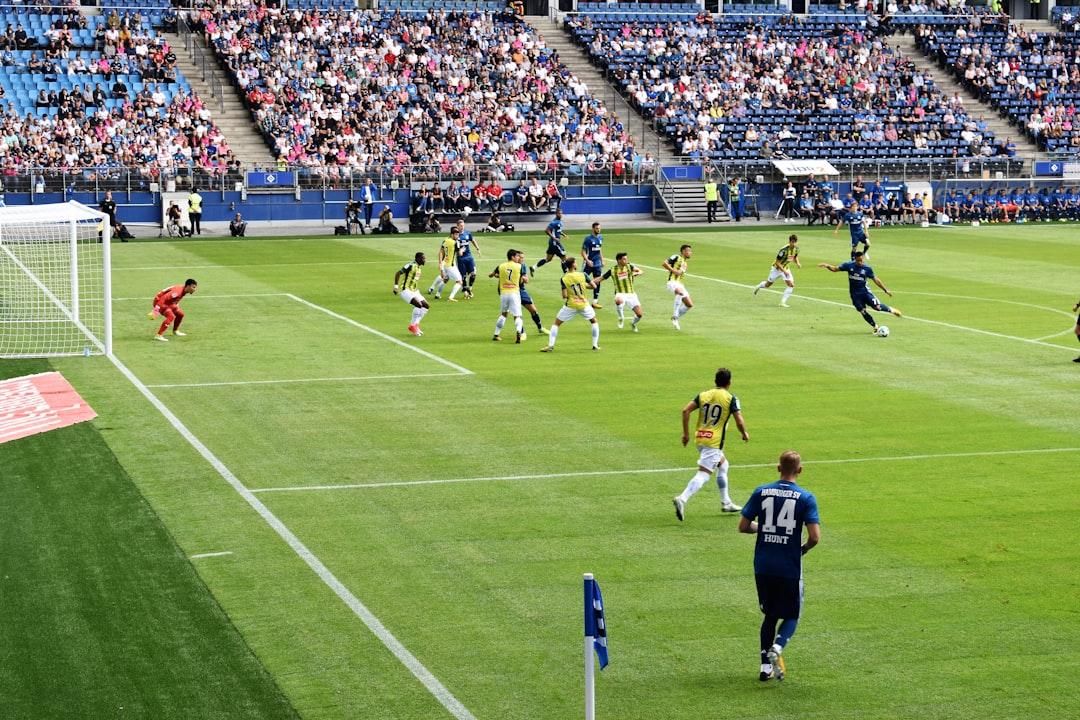
The FIFA Men’s World Cup stands as the pinnacle of international football, a tournament that captures the imagination of billions every four years. Since its inaugural edition in 1930, the competition has evolved from a fledgling experiment in Uruguay to the world’s most-watched sporting event. Understanding the history of this tournament requires looking back at the nations that have etched their names into sporting immortality.
The early years of the World Cup were defined by South American dominance and European resilience. Uruguay, as the host of the first-ever tournament, set the standard by defeating Argentina in a thrilling 4-2 final. The pre-war era saw Italy emerge as a powerhouse, securing back-to-back titles in 1934 and 1938, a feat that solidified their status as the early giants of the beautiful game.
- 1930: Winner: Uruguay | Runner-up: Argentina | Third: USA
- 1934: Winner: Italy | Runner-up: Czechoslovakia | Third: Germany
- 1938: Winner: Italy | Runner-up: Hungary | Third: Brazil
- 1950: Winner: Uruguay | Runner-up: Brazil | Third: Sweden
Following the post-war resumption of the tournament, the sport entered a golden age. Brazil, fueled by the emergence of legends like Pelé, began a period of sustained excellence that remains unmatched. The 1958, 1962, and 1970 tournaments showcased a brand of football that emphasized creativity and attacking prowess, forever changing how the game was played.
During this period, other nations began to stake their claim. England secured their only title in 1966 on home soil, while West Germany established a reputation for tactical precision and mental fortitude, winning in 1954 and 1974.
- 1954: Winner: West Germany | Runner-up: Hungary | Third: Austria
- 1958: Winner: Brazil | Runner-up: Sweden | Third: France
- 1962: Winner: Brazil | Runner-up: Czechoslovakia | Third: Chile
- 1966: Winner: England | Runner-up: West Germany | Third: Portugal
- 1970: Winner: Brazil | Runner-up: Italy | Third: West Germany
- 1974: Winner: West Germany | Runner-up: Netherlands | Third: Poland
As the tournament expanded in size and commercial reach, the competitive landscape became increasingly fierce. Argentina’s rise in the late 1970s and 80s, anchored by the brilliance of Diego Maradona, shifted the focus back to individual genius. Meanwhile, Italy and Germany continued to prove that defensive discipline and team structure were just as vital as offensive flair.
- 1978: Winner: Argentina | Runner-up: Netherlands | Third: Brazil
- 1982: Winner: Italy | Runner-up: West Germany | Third: Poland
- 1986: Winner: Argentina | Runner-up: West Germany | Third: France
- 1990: Winner: West Germany | Runner-up: Argentina | Third: Italy
- 1994: Winner: Brazil | Runner-up: Italy | Third: Sweden
- 1998: Winner: France | Runner-up: Brazil | Third: Croatia
The turn of the millennium brought a new level of parity. France solidified their position as a modern powerhouse with a win in 1998 and later, a resurgence in 2018. Spain introduced the world to 'tiki-taka' in 2010, marking their first-ever World Cup win. Germany’s 2014 triumph highlighted a decade of consistent development, while Argentina’s 2022 victory in Qatar provided a fairytale ending for Lionel Messi.
- 2002: Winner: Brazil | Runner-up: Germany | Third: Turkey
- 2006: Winner: Italy | Runner-up: France | Third: Germany
- 2010: Winner: Spain | Runner-up: Netherlands | Third: Germany
- 2014: Winner: Germany | Runner-up: Argentina | Third: Netherlands
- 2018: Winner: France | Runner-up: Croatia | Third: Belgium
- 2022: Winner: Argentina | Runner-up: France | Third: Croatia
As we look ahead to 2026, the history of the FIFA World Cup serves as a reminder that football is a game of cycles. While nations like Brazil, Germany, and Italy have historically dominated, the sport’s global growth ensures that every tournament offers the potential for new champions to rise. Whether it is through tactical innovation or the emergence of generational talent, the World Cup remains the ultimate stage for sporting history.
Enjoying this article?
Get the daily AI briefing sent straight to your inbox.
Frequently Asked Questions
Which country has won the most FIFA World Cups?
Brazil holds the record for the most FIFA World Cup titles, having won the tournament five times (1958, 1962, 1970, 1994, 2002).
Who won the first FIFA World Cup in 1930?
Uruguay won the first FIFA World Cup in 1930, defeating Argentina 4-2 in the final.
Who is the current FIFA World Cup champion?
Argentina is the current champion, having won the 2022 FIFA World Cup in Qatar.
Comments
0Please sign in to leave a comment.
Related articles
Hansi Flick’s Defensive Blueprint: Shaping Barcelona’s 2026-27 Campaign
With the new season officially underway, Hansi Flick is tasked with restructuring Barcelona's defensive line to ensure stability and tactical depth.
Brighton Secures Luka Vuskovic: Why Liverpool’s Transfer Hesitation May Cost Them
Renowned transfer expert Fabrizio Romano has confirmed Brighton is closing in on Luka Vuskovic, leaving Liverpool fans questioning why the club passed on the rising star.
Lucas Digne Set for PSG Return: The First Signing of the Summer Window
Transfer expert Fabrizio Romano has confirmed that Lucas Digne is heading to PSG to serve as primary backup to Nuno Mendes.