- The 1930 final was uniquely played with two different balls due to a dispute between Argentina and Uruguay.
- Historical controversies like the 1966 'Ghost Goal' paved the way for modern VAR technology.
- The 2026 World Cup expansion to 48 teams will create a longer, more grueling path to the final than ever before.
- Individual human drama, such as Zidane's 2006 headbutt, continues to define the final as much as tactical play.
Beyond the Scoreline: Unearthing the Folklore and Cultural Impact of FIFA World Cup Finals
From the 'Two Balls' of 1930 to the High-Tech Spectacle of 2026: Why the Final remains the world's most significant cultural event.
Jul 19, 2026·0 views
Key Takeaways
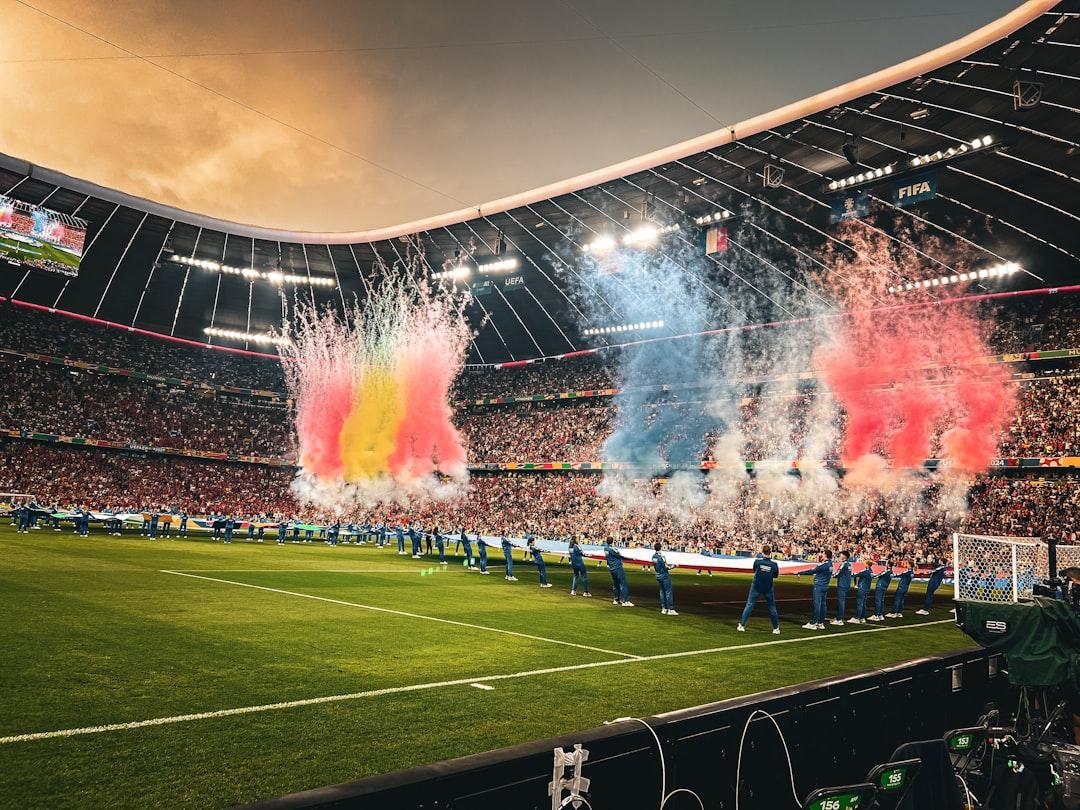
The FIFA World Cup Final is more than just a football match; it is a global intersection of geopolitics, high-stakes drama, and cultural mythology. As we look toward the 2026 edition—the first to feature 48 teams and span three North American nations—the gravity of the final match becomes even more pronounced. While the world focuses on the future of the sport, the history of the final is littered with anecdotes that seem more like fiction than fact. These moments have shaped not only the rules of the game but the very identity of the nations involved.
To understand the magnitude of what awaits us in 2026, we must revisit the historical anomalies that turned athletes into icons and matches into legends. These stories provide the essential context for the evolution of the world's most-watched sporting event.
The inaugural World Cup final in 1930 between hosts Uruguay and Argentina was a logistical and diplomatic nightmare. Long before FIFA standardized match balls, the two finalists could not agree on which ball to use. Argentina insisted on their preferred Tiento model, while Uruguay demanded the T-Model.
In a display of early Solomon-like mediation, FIFA decided the first half would be played with the Argentine ball and the second half with the Uruguayan ball. Argentina led 2-1 at halftime using their ball; however, Uruguay stormed back to win 4-2 in the second half with theirs. This anecdote serves as a reminder of the rudimentary beginnings of the tournament and how far professionalization has come in the century since.
While many remember Pelé’s brilliance, few recall the sheer audacity of his performance at age 17. In the 1958 final against Sweden, Pelé became the youngest player to score in a final. His goal—a flick over a defender followed by a clinical volley—remains one of the most aesthetically pleasing moments in sports history. Beyond the score, this final marked the moment Brazil shed its 'complexo de vira-lata' (stray dog complex), beginning a period of global dominance that would redefine footballing philosophy for decades.
England’s 1966 victory over West Germany is defined by the most controversial goal in history. Geoff Hurst’s shot struck the underside of the crossbar and bounced near the goal line. The Swiss referee, uncertain, consulted Soviet linesman Tofiq Bahramov, who signaled a goal. Modern digital analysis suggests the ball never fully crossed the line. This single anecdote is the spiritual ancestor of the Video Assistant Referee (VAR) technology we see today. It highlights how a single human error can alter the course of national history, fueling a rivalry that persists in the modern era.
Perhaps the most analyzed pre-match anecdote occurred in 1998. Hours before the final against France, Brazil’s superstar Ronaldo suffered a convulsive fit. Initially left off the team sheet, he was reinstated just 45 minutes before kickoff. His listless performance and Brazil's 3-0 loss sparked conspiracy theories ranging from Nike-enforced participation to medical malpractice. This event signaled a shift in the sport, where the commercial pressures on individual stars began to rival the importance of the collective team strategy.
Zinedine Zidane’s final act on a football pitch was not a trophy lift, but a red card. In the 2006 final, one of the greatest players of all time headbutted Italy’s Marco Materazzi after a verbal provocation. This moment remains the ultimate example of the psychological pressure of the final. It transformed a tactical stalemate into a tragedy of Shakespearean proportions, proving that even at the highest level of professional sport, raw human emotion remains the ultimate wildcard.
As we pivot toward the 2026 FIFA World Cup, the scale of the final is set to reach an atmospheric level. With the final scheduled to take place at MetLife Stadium in East Rutherford, New Jersey, the intersection of American commercialism and global footballing passion will reach its zenith.
Industry analysts expect the 2026 final to break all previous viewership records, potentially reaching over 1.5 billion people. The introduction of 48 teams means the path to the final will be longer and more grueling than ever before. This expansion isn't just about more games; it's about the democratization of the sport, allowing emerging markets in Asia and Africa a greater chance to create their own anecdotes on the world stage.
From an SEO and marketing perspective, the World Cup final is the 'Super Bowl on steroids.' Brands are already vying for positioning in the North American market, with AI-driven analytics playing a massive role in fan engagement. The 2026 tournament will likely be the most 'connected' event in history, utilizing 5G infrastructure and augmented reality to bring the stadium experience to global audiences.
Ultimately, the anecdotes of the past—from the two balls of 1930 to Zidane’s exit—remind us that while the technology and the scale change, the human drama remains the same. The 2026 final will undoubtedly produce its own 'juicy' stories, ensuring that the legacy of the World Cup remains the pinnacle of human achievement and narrative in the 21st century.
Enjoying this article?
Get the daily AI briefing sent straight to your inbox.
Frequently Asked Questions
Why were two balls used in the 1930 World Cup final?
Argentina and Uruguay could not agree on which ball to use. FIFA intervened, allowing Argentina to use their ball in the first half and Uruguay to use theirs in the second half.
How will the 2026 World Cup final differ from previous years?
The 2026 final will be part of an expanded 48-team tournament, hosted across North America, and is expected to be the most technologically integrated and commercially successful event in sports history.
What is the significance of the 1966 'Ghost Goal'?
It refers to a goal scored by England's Geoff Hurst that may not have crossed the line. It remains the most debated goal in history and is a primary reason for the eventual implementation of Goal-Line Technology and VAR.
Comments
0Please sign in to leave a comment.
Related articles
The Cobham Blueprint: Why Chelsea's Contract Talks with Shumaira Mheuka Signal a New Era of Striker Management
Chelsea is actively negotiating a new long-term deal for teenage striker prodigy Shumaira Mheuka. We break down the tactical, financial, and developmental strategy behind the move.
Guernsey FC's Historic Women’s FA Cup Debut: A New Era for Grassroots Football
Guernsey FC is set to make its historic debut in the Women's FA Cup, marking a major milestone for Channel Islands sport and highlighting the rapid global expansion of women's football infrastructure.
The Italian Dilemma: Why a Spain vs. Argentina World Cup Final Hurts Calcio
When Spain and Argentina clash in a major final, Italian football fans are forced to confront their own complex heritage, bitter rivalries, and the painful reality of Calcio's modern standing.