- The World Cup final experienced a six-minute delay to the scheduled kick-off time.
- The delay was caused by extended pre-match performances and a surprise speech from Tom Cruise.
- The incident has sparked a debate about the balance between entertainment pageantry and professional sports scheduling.
- Athletes and fans have expressed mixed reactions regarding the impact of pre-match delays on game momentum.
World Cup Final Delay: Why Tom Cruise and Pre-Match Spectacle Stalled Kick-off
A six-minute delay at the World Cup final sparked global debate as high-profile performances and a surprise Tom Cruise cameo pushed the schedule past its mark.
Jul 19, 2026·0 views
Key Takeaways
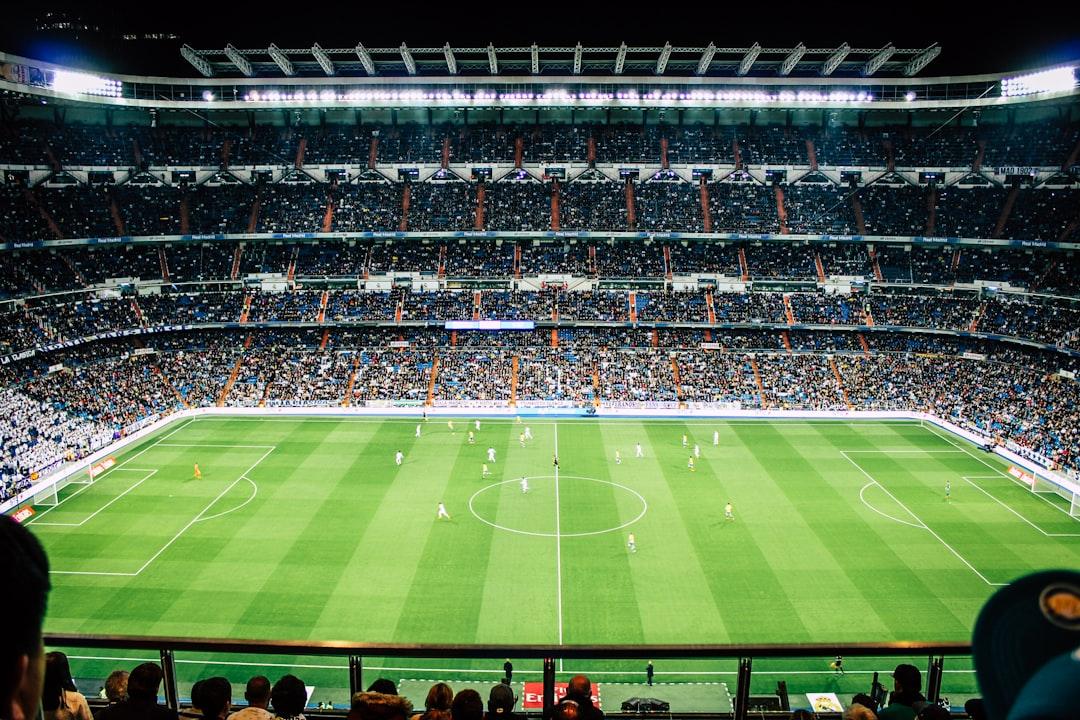
The roar of the crowd is the heartbeat of any major sporting event, but at the most recent World Cup final between Argentina and Spain, the anticipation was stretched thin by an unexpected delay. Fans watching across the globe were left checking their watches as the scheduled kick-off time came and went, with the match eventually commencing six minutes behind schedule. While delays in football are often attributed to technical glitches or pitch issues, this particular instance was a direct result of the sport’s increasing convergence with high-octane global entertainment.
The spectacle leading up to the final whistle was designed to be a grand celebration, featuring a series of high-budget performances that aimed to rival the production value of the Super Bowl halftime show. However, the ambition of the organizers hit a snag when the transition from artistic performance to professional sport proved more time-consuming than anticipated. Central to the discourse surrounding the delay was a surprise appearance by Hollywood superstar Tom Cruise.
Cruise, known for his penchant for high-stakes action and precise delivery, appeared in a pre-match segment that left many spectators baffled. The speech, intended to build fervor among the global audience, became a focal point of criticism as it appeared to run over its allotted time, contributing to the shift in the match schedule. For many purists, the intrusion of Hollywood branding into the sacred minutes preceding a championship match represents a growing tension between the integrity of the game and the commercial demands of modern sports broadcasting.
While six minutes may seem trivial to the casual viewer, for professional athletes, the pre-match routine is a meticulously crafted sequence of physical warm-ups and mental conditioning. Sudden delays can disrupt the rhythm of elite players who rely on specific timing to reach peak performance levels. Coaches often express frustration when external factors, such as extended ceremonies or technical delays, force players to stand idle on the pitch or wait in the tunnel, potentially cooling down muscles that were primed for explosive activity.
Despite the frustration expressed by some fans on social media, the match proceeded with the intensity expected of a World Cup final. The delay did not appear to dampen the competitive spirit, though it has reignited a long-standing debate within the football community regarding the necessity of pre-match pageantry. As FIFA continues to expand the scale of its events, balancing the entertainment requirements of global sponsors with the needs of the players remains a delicate operation.
This incident serves as a case study for future international tournaments. As the 2026 World Cup approaches, organizers will likely look at the feedback from this final to refine their approach to opening and closing ceremonies. The goal is to provide a world-class entertainment product without compromising the punctuality of the sporting contest.
Industry experts suggest that future events might implement stricter "hard stops" for performances to ensure that the broadcast schedule remains aligned with global kickoff times. Whether this involves shortening speeches or streamlining the technical transition between the stage and the pitch, it is clear that the modern spectator demands both high-quality entertainment and on-time action.
Ultimately, the six-minute delay was a minor footnote in an otherwise historic match, but it highlights the growing pains of a sport that is evolving into a multimedia monolith. As football continues to attract global icons like Tom Cruise, the challenge for organizers will be to ensure that the stars of the show remain the players on the grass, rather than the celebrities on the stage.
Enjoying this article?
Get the daily AI briefing sent straight to your inbox.
Frequently Asked Questions
Why was the World Cup final delayed?
The match was delayed by six minutes due to elaborate pre-match entertainment performances and a surprise segment featuring Tom Cruise.
Did the delay affect the outcome of the match?
While there is no evidence the delay changed the final score, such interruptions can disrupt the physical and mental preparation routines of professional athletes.
Is Tom Cruise involved in FIFA events?
Tom Cruise made a guest appearance during the pre-match ceremony for the final, highlighting the integration of Hollywood entertainment into major global sporting events.
Comments
0Please sign in to leave a comment.
Related articles
World Cup's Lingering Echo: How Global Tournaments Reshape Everton's Strategy
The World Cup's influence extends far beyond the international stage, deeply affecting club football. For Everton, a club navigating complex financial and sporting challenges, the tournament's ripple effects on key players like Iliman Ndiaye and the contract status of Idrissa Gueye highlight the delicate balance clubs must strike between asset management and competitive ambition.
Premier League Heavyweights Line Up for Bologna's Jonathan Rowe Amid €40m Valuation
Bologna's promising winger, Jonathan Rowe, has become a prime target for top Premier League clubs, with Chelsea and Aston Villa reportedly making approaches. The Italian club has set a robust €40 million asking price, reflecting Rowe's growing market value and his pivotal role in Bologna's impressive Serie A campaign.
Al-Hilal's Ambitious Pursuit of Inter Star Alessandro Bastoni: An Analytical Deep Dive
Al-Hilal's reported interest in Inter Milan's star defender Alessandro Bastoni highlights the growing financial power of the Saudi Pro League. Despite the allure, a transfer appears highly improbable given Bastoni's crucial role at Inter and long-term commitment.