For years, the title 'TechnoKing' was viewed as little more than another eccentric flourish from Elon Musk—a meme-heavy moniker designed to needle the traditionalists of the automotive world. However, as SpaceX prepares for its eventual evolution into a publicly-traded entity, the levity of that title is being replaced by a stark, structural reality. According to recent reports and internal projections, Musk is set to retain more than 50% of the voting power in a public SpaceX, granting him a level of control that transcends the typical 'founder-friendly' governance structures seen in Silicon Valley.
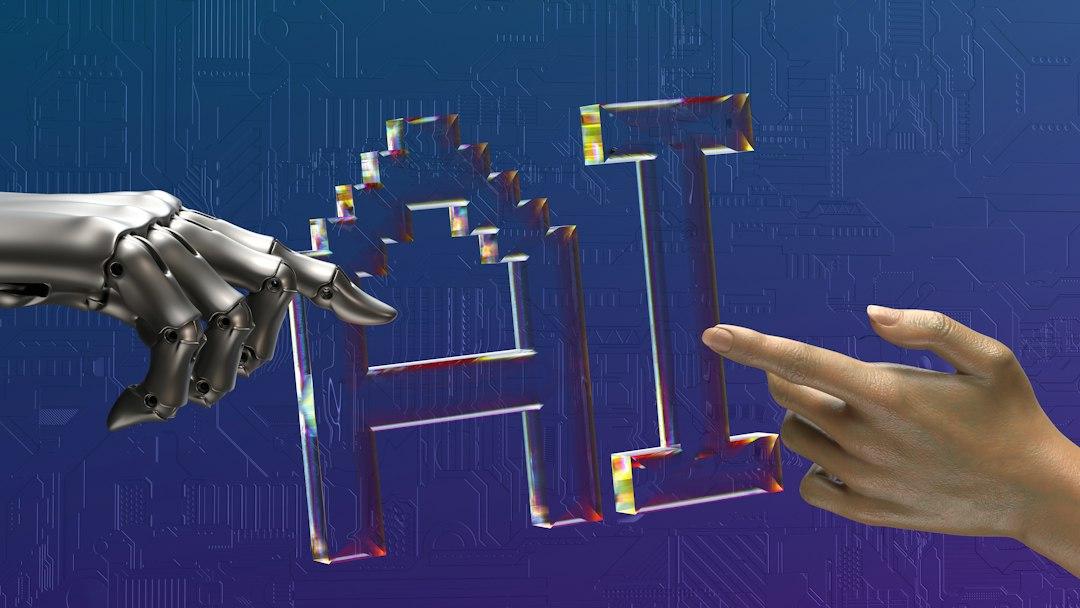
In the world of Big Tech, dual-class share structures are common. Mark Zuckerberg at Meta and the founders of Alphabet have long used these mechanisms to maintain a grip on their empires. But Musk’s projected position at SpaceX is different. It is not just about influence; it is about absolute, monarchical authority. For an AI-focused publication, this isn't just a story about aerospace—it is a story about who controls the physical and digital infrastructure of the next century.
To understand why Musk’s 'monarchical grip' on SpaceX is a pivotal moment for the artificial intelligence industry, one must look at the 'Musk-Stack.' While Tesla focuses on robotics and FSD (Full Self-Driving) and xAI focuses on large language models like Grok, SpaceX provides the critical connective tissue: Starlink.
Starlink is currently the only viable path toward global, low-latency data transmission that can bypass traditional terrestrial bottlenecks. For distributed AI systems, edge computing, and the eventual deployment of autonomous agents on a global scale, Starlink is the hardware layer. By maintaining absolute control over SpaceX, Musk ensures that his other ventures—specifically xAI—have a guaranteed, unthrottled gateway to the world’s data, regardless of what institutional investors or ESG-focused boards might prefer.
At Tesla, Musk has frequently clashed with board members and institutional shareholders over his compensation packages and his divided attention. The Delaware Chancery Court’s recent involvement in his $56 billion pay package highlighted the friction between a 'Great Man' leadership style and the fiduciary duties of a public board.
At SpaceX, Musk appears to be pre-emptively solving that problem. With over 50% of the voting power, the board of directors will essentially serve at his pleasure. In the context of AI safety and policy, this is a double-edged sword. On one hand, it allows for the kind of rapid, high-risk iteration that led to the success of the Falcon 9 and Starship. On the other hand, it removes the 'adults in the room' who might otherwise question the ethical implications of integrating orbital surveillance with generative AI or prioritizing xAI’s data needs over global telecommunications standards.
Industry analysts have long speculated that the endgame for Musk is not just Mars, but the creation of an Artificial General Intelligence (AGI) that can manage the complexities of multi-planetary life. Training these models requires vast amounts of energy and cooling—resources that are increasingly scarce on Earth.
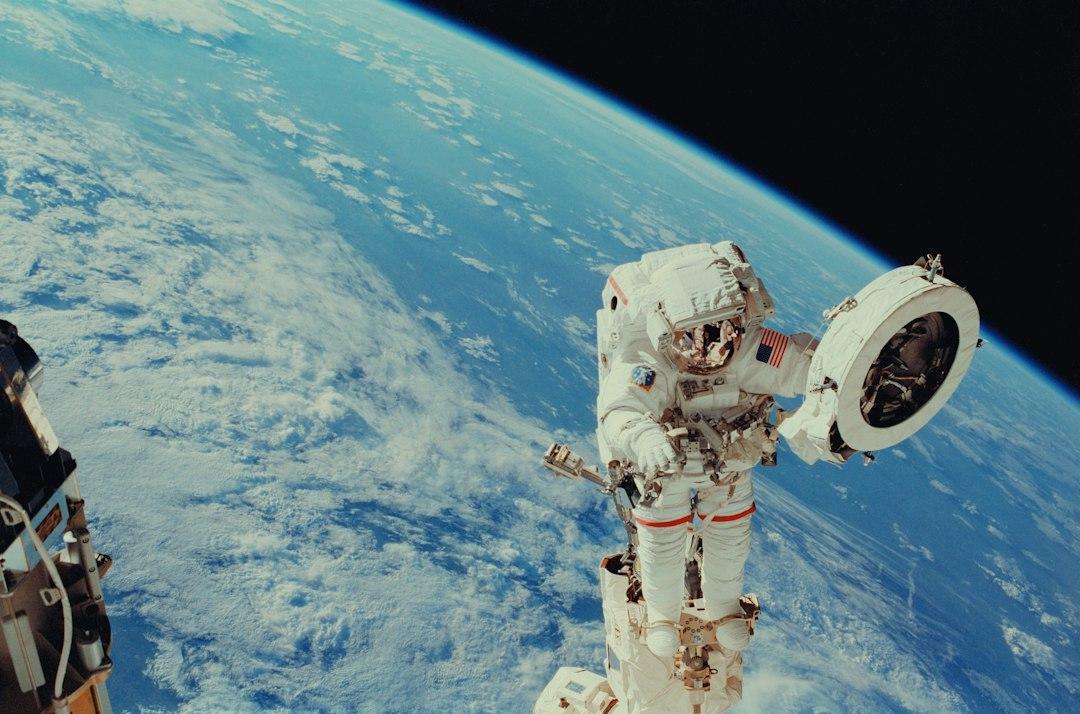
With absolute control over SpaceX, Musk could theoretically move toward 'space-based compute.' The idea of putting data centers in orbit to take advantage of natural cooling and solar energy is no longer science fiction. If Musk holds the keys to the rockets and the satellites, he becomes the sole gatekeeper of the first extraterrestrial AI infrastructure. This level of vertical integration is unprecedented in human history.
For potential investors in a public SpaceX, the value proposition is clear: you are betting on the most successful launch provider in history. However, the cost of entry is the total surrender of governance. Investors will essentially be 'silent partners' in Musk’s broader vision for humanity, which includes the rapid acceleration of AI capabilities.
As we move closer to the 2026-2027 window for these structural shifts, the tech industry must reckon with the reality of a sovereign founder. Musk is no longer just a CEO; he is building a self-sustaining ecosystem where AI, robotics, and aerospace converge under a single point of failure—or a single point of absolute success.
In the era of 'TechnoKing,' we laughed at the memes. In the era of the SpaceX Monarchy, we must closely watch the code, the satellites, and the man who controls them both.