- The USMNT faces a tactical, possession-oriented Belgium side in the Round of 16.
- Belgium's strength lies in a disciplined, hybrid defensive structure and experienced midfield leadership.
- The U.S. must exploit Belgium's vulnerability during transitions to succeed.
- The match is expected to be a high-intensity battle of contrasting soccer philosophies.
Belgium vs. USMNT: 5 Key Insights Ahead of the 2026 World Cup Round of 16
As the United States prepares for a high-stakes clash, we analyze the tactical strengths and historical context of the Belgian Red Devils.
Jul 5, 2026·0 views
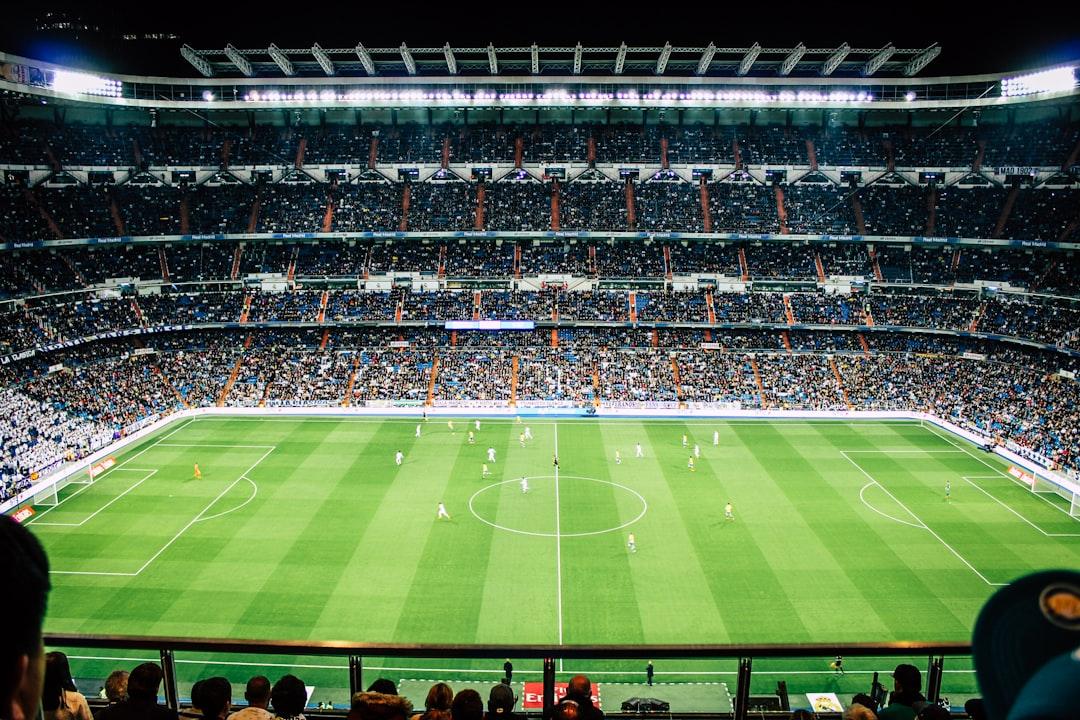
Key Takeaways
As the 2026 FIFA World Cup enters its most critical phase, the United States Men’s National Team (USMNT) finds itself at a defining crossroads. Standing between the Americans and a coveted spot in the quarterfinals is a battle-hardened Belgium squad. This matchup, which has captured the attention of global football fans, promises to be a masterclass in tactical discipline and individual brilliance.
Belgium, long considered a powerhouse of European football, enters this fixture with a mix of seasoned veterans and emerging talents. For the USMNT, this is more than just a game; it is a test of their growth on the world stage. To navigate this hurdle, understanding the current state of the Belgian side is essential.
Belgium has evolved significantly since their last major tournament appearance. No longer relying solely on a high-pressing, high-risk game, they have adopted a more pragmatic, possession-based approach. Their midfield orchestrators excel at breaking down compact defensive blocks, a trait that the U.S. defense will need to monitor closely. The Belgian coaching staff has emphasized transition speed, often forcing opponents to commit errors in the middle third before launching surgical counter-attacks.
One of the most notable features of this iteration of the Red Devils is their structural integrity. While their attack often grabs the headlines, their defensive line has been remarkably stingy throughout the group stages. They utilize a hybrid formation that shifts from a back four to a back five during defensive phases. This fluidity makes it incredibly difficult for opposing strikers to find pockets of space, forcing the USMNT to rely on wide play and crosses rather than central penetration.
Every great side has its engine room, and Belgium is no exception. Their captain remains a central figure, dictating the tempo of the game and providing the experience necessary to handle high-pressure environments. Additionally, their wing-backs have been instrumental in providing width, overlapping constantly to create numerical advantages. The U.S. fullbacks will have their hands full, as they must balance their offensive contributions with the defensive responsibility of tracking these relentless runners.
This is not the first time these two nations have crossed paths on the global stage. Historical matchups have often been characterized by intense physical battles and dramatic late-game shifts. The Belgian squad is keenly aware of the U.S. team’s ability to rally in front of a home crowd, and they are preparing for an atmosphere that will be decidedly pro-American. This psychological factor adds an extra layer of complexity to the match, as Belgium aims to silence the stadium early to disrupt the U.S. momentum.
Despite their strengths, Belgium is not invincible. Analysts have pointed to potential gaps in their defensive transitions when they lose possession in the final third. If the USMNT can successfully execute quick vertical passes immediately after winning the ball, they may find the Belgian backline exposed. Success for the United States will likely hinge on their ability to capitalize on these micro-moments of disorganization, particularly through the pace of their wingers.
As the clock ticks down to kickoff, the narrative surrounding this game is clear: it is a clash of styles. The United States brings an energetic, high-intensity brand of soccer, while Belgium offers the calculated precision of a team that has been here before. Whether the U.S. can overcome their European counterparts remains the primary question of the tournament. Regardless of the outcome, this Round of 16 tie is destined to be a defining chapter in the 2026 World Cup saga.
Enjoying this article?
Get the daily AI briefing sent straight to your inbox.
Frequently Asked Questions
When is the Belgium vs. USMNT World Cup match?
The match is part of the 2026 World Cup Round of 16 schedule; please check your local listings for the specific kickoff time.
What is Belgium's primary tactical strength?
Belgium utilizes a highly disciplined, hybrid defensive formation and a patient, possession-based approach to control the tempo of the game.
How can the USMNT beat Belgium?
The USMNT can find success by exploiting Belgium's defensive gaps during quick transitions and utilizing vertical, fast-paced attacks.
Comments
0Please sign in to leave a comment.
Related articles
Ancelotti Reveals Brazil's Penalty Hierarchy: Why Vinícius Jr. Was Omitted
Carlo Ancelotti explains why star forward Vinícius Jr. was excluded from Brazil's primary penalty takers in their recent tournament exit.
FIFA Confirms Postponement of Mexico vs. England Round-of-16 World Cup Clash
FIFA has officially announced the postponement of the Mexico vs. England Round-of-16 match due to unforeseen scheduling and logistical complications.
Neymar Jr. Announces International Retirement Following Brazil’s World Cup Exit
Neymar Jr. has officially announced his retirement from international football following Brazil's shocking elimination from the 2026 World Cup.