- Belgium reflects on their historic 1986 penalty shootout victory over Spain as inspiration for the 2026 World Cup.
- Modern Belgian football combines traditional grit with AI-driven performance analytics to prepare for high-pressure scenarios.
- The 2026 World Cup expansion presents new tactical challenges for the squad compared to the 1986 tournament.
- Psychological preparation and the science of penalty kicks are central to Belgium's current tournament strategy.
Belgium Eyes Historic Redemption Against Spain Ahead of 2026 World Cup Cycle
As the FIFA World Cup 2026 approaches, Belgium looks to channel the tactical grit of their legendary 1986 quarter-final victory over Spain.
Jul 9, 2026·0 views
Key Takeaways
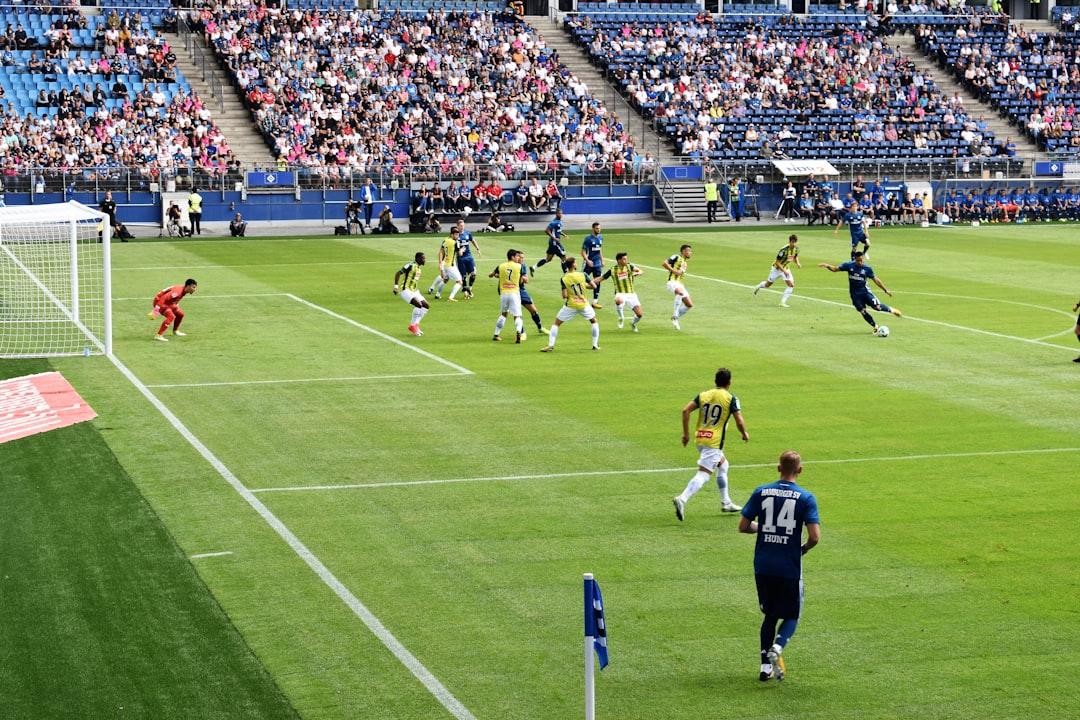
On June 22, 1986, the Estadio Cuauhtémoc in Puebla, Mexico, became the stage for one of the most nerve-wracking chapters in Belgian football history. In a World Cup quarter-final that pushed both Belgium and Spain to their absolute physical and mental limits, the match remained deadlocked at 1-1 after 120 minutes of grueling play. When the final whistle blew, the fate of both nations rested on the precision of the penalty spot.
Leo Van der Elst, stepping up to take the decisive kick, etched his name into folklore. His successful strike secured a victory that sent Belgium into the semi-finals, a moment that remains a benchmark for the Red Devils’ international success. As the football world turns its eyes toward the 2026 FIFA World Cup, that 1986 triumph serves as more than just a memory; it is a blueprint for a nation looking to reclaim its status as a global powerhouse.
Much has changed in the four decades since that humid afternoon in Mexico. Belgium has evolved from a plucky underdog into a consistent force on the international stage. However, the current generation of Belgian talent faces a unique challenge: balancing the weight of high expectations with the tactical discipline that defined their predecessors.
Football analysts suggest that the spirit of 1986 lies in the squad's collective resilience. While the modern game is defined by high-pressing systems and advanced data analytics—areas where Belgium has invested heavily—the core requirement for tournament success remains unchanged: the ability to perform under the immense pressure of a penalty shootout and high-stakes knockout football.
- Then (1986): A reliance on individual grit and defensive organization to stifle creative opposition.
- Now (2026): A sophisticated integration of AI-driven scouting and performance monitoring to optimize player fitness and tactical positioning.
Modern managers are no longer just looking at raw talent; they are utilizing technology to analyze opponent tendencies during penalty situations. The 'spirit' of 1986 is now being digitized, with coaching staffs simulating high-pressure scenarios to ensure that if a modern-day Van der Elst finds themselves at the spot, the outcome is statistically likely to favor the Red Devils.
With the 2026 tournament set to be the largest in history, the expansion to 48 teams brings new variables to the table. Belgium’s tactical approach for this upcoming cycle is built on a foundation of deep squad rotation and mental toughness. The federation is placing a heavy emphasis on the psychological development of younger players, ensuring they are prepared for the unique pressures of a World Cup knockout match, just as the 1986 team was.
Spain, meanwhile, has remained a formidable adversary. The rivalry between the two nations has only deepened since the mid-80s, with both sides frequently meeting in UEFA competitions. As they prepare for the potential of another high-stakes clash in 2026, the historical narrative of Puebla looms large. For Belgium, it is a reminder that even when the odds are stacked against them, tactical discipline and composure can lead to legendary outcomes.
One of the most fascinating aspects of the 1986 victory was the psychological warfare involved in the shootout. Today, sports scientists working with the Belgian national team emphasize the 'science of the spot kick.' By analyzing the heart rate variability and gaze patterns of players, staff are working to eliminate the 'choke factor' that has plagued so many teams in major tournaments.
Whether or not history repeats itself in 2026, the legacy of the 1986 squad provides a vital psychological anchor. By channeling the confidence of those who paved the way, the current Red Devils hope to translate that historical spirit into a trophy-winning performance in the upcoming global showcase. As fans look back at the footage from Puebla, they see not just a game, but a testament to the enduring power of belief in international sport.
Enjoying this article?
Get the daily AI briefing sent straight to your inbox.
Frequently Asked Questions
When did Belgium play Spain in the 1986 World Cup?
Belgium played Spain in the quarter-finals of the 1986 FIFA World Cup on June 22, 1986, at the Estadio Cuauhtémoc in Puebla, Mexico.
How did Belgium beat Spain in the 1986 World Cup?
After the match ended 1-1 following extra time, Belgium defeated Spain in a penalty shootout, with Leo Van der Elst scoring the decisive penalty.
Is Belgium preparing differently for the 2026 World Cup?
Yes, the current Belgian team is integrating advanced technology, AI-driven scouting, and sports psychology to improve performance in high-pressure knockout stages.
Comments
0Please sign in to leave a comment.
Related articles
Chelsea Scouting Mission: The Rise of IFK Göteborg Starlet Oliver Mansson
Chelsea is reportedly tracking IFK Göteborg midfielder Oliver Mansson, fueling speculation about the club's long-term strategy for elite youth acquisition.
Manchester City's Premier League Future at Risk Over Financial Breach Charges
Manchester City are under intense pressure as potential sanctions for alleged financial rule breaches threaten their status in the Premier League.
PSG vs Barcelona: Champions League Showdown Preview and Predictions
Paris Saint-Germain and Barcelona face off in a high-stakes Champions League encounter, with both sides aiming to assert dominance in the new league phase.