- Argentina's aging squad is struggling to maintain high-intensity physical output during the final stages of matches.
- Cumulative fatigue from the knockout rounds is significantly impacting player recovery times.
- Tactical control and tempo management are critical for Argentina to mitigate their physical disadvantages.
- The team must avoid end-to-end transition play to prevent exploitation by younger, faster opponents.
Argentina’s Physical Hurdles: Can They Overcome Age and Fatigue for World Cup Glory?
As the tournament intensity peaks, questions surrounding the squad's physical longevity and recovery times take center stage.
Jul 13, 2026·0 views
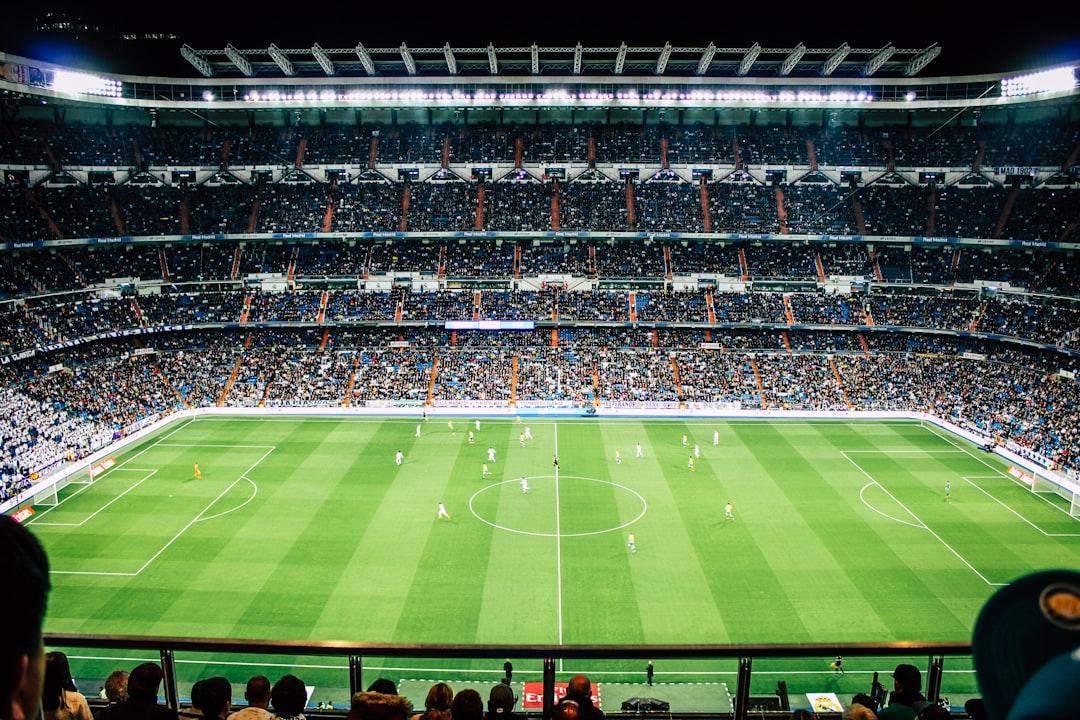
Key Takeaways
As the FIFA World Cup progresses into its most critical phase, the conversation surrounding Argentina’s performance has shifted from tactical brilliance to physical endurance. While Lionel Messi’s magic remains the focal point of the squad, the underlying metrics suggest that the Albiceleste are operating under a significant physical handicap compared to their younger, more dynamic counterparts. The rigors of tournament football, combined with the specific profile of the current Argentine roster, have created a perfect storm of challenges that could prove decisive in the semi-finals.
One of the most glaring issues facing the Argentine camp is the average age of the core starting XI. In modern football, where high-pressing systems and rapid transitions have become the industry standard, physical output is no longer just an asset—it is a requirement. Argentina’s reliance on veteran players, while providing unmatched experience and composure under pressure, has led to a noticeable decline in late-game intensity.
Data analysts have noted that the squad’s ability to sustain high-intensity sprints during the final 20 minutes of matches has diminished compared to their group-stage performance. As games stretch into the closing stages, the lack of youthful legs to track back or initiate quick counter-attacks leaves the team vulnerable to teams with deeper, younger benches. This 'ageing factor' is not merely a statistical curiosity; it is a tactical reality that opposing managers are increasingly looking to exploit.
Beyond the age factor, the sheer volume of minutes played by key personnel has created a deficit in recovery. The knockout rounds are notoriously unforgiving, often requiring extra time or high-stress defensive shifts that drain players both mentally and physically. Argentina’s journey has been described by many observers as a 'suffering' path, characterized by narrow margins and prolonged periods without the ball.
- Recovery Windows: With matches scheduled in quick succession, the window for physiological restoration is minimal.
- High-Stress Load: The psychological burden of constant pressure, combined with the physical impact of tackling and tactical positioning, accelerates muscle fatigue.
- Travel and Climate: Adjusting to the specific environmental conditions of the tournament venues adds another layer of strain on aging muscles.
To compensate for these physical limitations, the coaching staff must rely on tactical discipline rather than pure athleticism. The challenge for Argentina is to control the tempo of the game, effectively 'killing' the match when they have the lead to avoid end-to-end transitions that favor younger, faster opponents.
If the semi-final descends into a chaotic, high-tempo affair, the physical disparity will likely become the defining narrative. However, if Argentina can manage the ball and dictate the pace, they may be able to hide their physical shortcomings. The team’s ability to rotate players effectively without sacrificing defensive integrity will be the primary indicator of their chances of advancing to the final.
As the world watches, the question remains: can the spirit of a veteran team overcome the limitations of the human body? History is filled with teams that, despite being labeled 'too old' or 'too tired,' have leaned on their tactical intelligence and sheer willpower to achieve success. Argentina’s supporters are banking on the fact that while legs may tire, the desire to secure a World Cup title can often bridge the gap between fatigue and victory.
Ultimately, the semi-final will serve as the ultimate litmus test for this squad. Whether they can maintain their composure against more energetic opponents will determine if their 'suffering' in the knockout stages was merely a hurdle on the way to greatness, or the beginning of a premature exit.
Enjoying this article?
Get the daily AI briefing sent straight to your inbox.
Frequently Asked Questions
Why is Argentina considered at a physical disadvantage in the World Cup?
Argentina's squad features many veteran players, leading to concerns regarding their ability to maintain high-intensity performance levels compared to younger opponents.
How does fatigue affect Argentina's tactical approach?
Due to physical fatigue, Argentina must focus on controlling the tempo of the game and minimizing high-speed transitions to preserve energy and defensive stability.
Comments
0Please sign in to leave a comment.
Related articles
Real Madrid Finalizing Key Contract Renewals to Secure Future Core
Real Madrid is currently finalizing paperwork for major contract renewals, ensuring that their brightest young stars remain at the Santiago Bernabéu.
Kylian Mbappé Claims Onze d'Or Trophy Ahead of Ballon d'Or Ceremony
As the football world turns its eyes toward the Ballon d'Or, Kylian Mbappé has been honored with the Onze d'Or, underscoring a dominant year on the pitch.
Premier League Injury Crisis: Updates on Erling Haaland and Antoine Semenyo
Manchester City's Erling Haaland and Bournemouth's Antoine Semenyo have emerged as injury concerns, casting doubt over their availability for upcoming fixtures.