- Paul Meade, a key Apple executive behind the Vision Pro headset, is joining OpenAI.
- The move indicates that OpenAI is prioritizing internal hardware development.
- Meade's experience in spatial computing could influence the design of future AI-integrated hardware.
- This transition highlights the growing convergence between advanced generative AI models and physical consumer devices.
Apple Vision Pro Executive Paul Meade Departs for OpenAI Hardware Team
The high-profile move signals a strategic shift for OpenAI as it looks to integrate its advanced AI models into dedicated consumer hardware.
Jul 4, 2026·0 views
Key Takeaways
In a move that has sent ripples through both the consumer electronics and artificial intelligence sectors, Paul Meade, a high-ranking Apple vice president, is reportedly leaving the tech giant. Meade, who has been instrumental in the development and oversight of the Apple Vision Pro—Apple’s foray into spatial computing—is set to join the hardware division at OpenAI. This transition marks a significant moment for the industry, suggesting that Sam Altman’s OpenAI is becoming increasingly serious about its hardware ambitions.
Meade’s departure is particularly noteworthy given his tenure at Apple. He served as a key leader within the hardware engineering team, overseeing the complex integration of sensors, displays, and internal silicon that define the Vision Pro experience. His move to OpenAI suggests that the AI research powerhouse is looking to move beyond software-only interfaces and into the realm of custom hardware design.
For years, OpenAI has focused almost exclusively on large language models (LLMs) and generative AI applications. However, the industry has long speculated that the next phase of AI dominance will require specialized hardware. By hiring a veteran of the scale and technical complexity of Apple’s Vision Pro team, OpenAI is signaling that it aims to create devices that can run its models natively, rather than relying solely on cloud-based processing.
Industry analysts believe this move could lead to several potential outcomes:
- Edge Computing Integration: OpenAI may be looking to develop hardware that processes AI requests locally, enhancing privacy and reducing latency.
- Wearable AI Devices: Following the trend of AI-integrated wearables, OpenAI might be exploring a device that utilizes advanced sensory input, similar to the spatial computing paradigm Meade helped build at Apple.
- Specialized AI Chips: While OpenAI has already partnered with various chip manufacturers, having an in-house hardware team led by a veteran like Meade could allow for the design of custom silicon optimized specifically for transformer-based models.
Apple’s Vision Pro was one of the most anticipated hardware launches of the decade. While the device has seen a niche following, it represents a long-term bet on spatial computing. Losing a lead executive like Paul Meade creates a leadership vacuum, though Apple is known for its deep bench of engineering talent. The company will likely reassign internal resources to ensure the product line remains on track, particularly as rumors of a more affordable headset model continue to circulate.
Critics of the move suggest that Apple’s rigid, vertically integrated culture might have felt restrictive for an executive looking to push the boundaries of AI-first devices. Conversely, OpenAI offers a "startup-speed" environment where the mandate is to innovate rapidly, even if it means iterating on hardware that is still in its infancy.
This high-profile poaching is not just about one executive; it is a symptom of the broader convergence between AI and physical hardware. As AI becomes more capable, the limitations of current smartphones and computers become more apparent. The "AI Phone" or "AI Headset" of the future will require a fundamental redesign of how we interact with technology.
If OpenAI successfully leverages Meade’s expertise to launch a piece of consumer hardware, it will place them in direct competition with the very companies that currently host their models. This could lead to a fascinating period of "coopetition," where big tech firms like Apple, Microsoft, and Google must balance their reliance on OpenAI’s models with the potential threat of OpenAI entering the hardware space.
As we look ahead, the industry will be watching closely to see what kind of device emerges from OpenAI’s labs. Will it be a smartphone, a wearable, or something entirely new that we haven't yet imagined? With Paul Meade at the helm of their hardware engineering efforts, the possibility of a revolutionary AI-first device has just become much more probable.
Enjoying this article?
Get the daily AI briefing sent straight to your inbox.
Frequently Asked Questions
Who is Paul Meade?
Paul Meade is a former Apple vice president who led the engineering and development of the Apple Vision Pro headset.
Why is Paul Meade joining OpenAI?
Meade is joining OpenAI to lead their hardware team, signaling the company's intention to develop custom hardware for their artificial intelligence models.
What does this mean for the future of OpenAI?
The hire suggests that OpenAI is moving toward creating its own physical devices, potentially focusing on edge computing or AI-integrated wearables.
Comments
0Please sign in to leave a comment.
Related articles
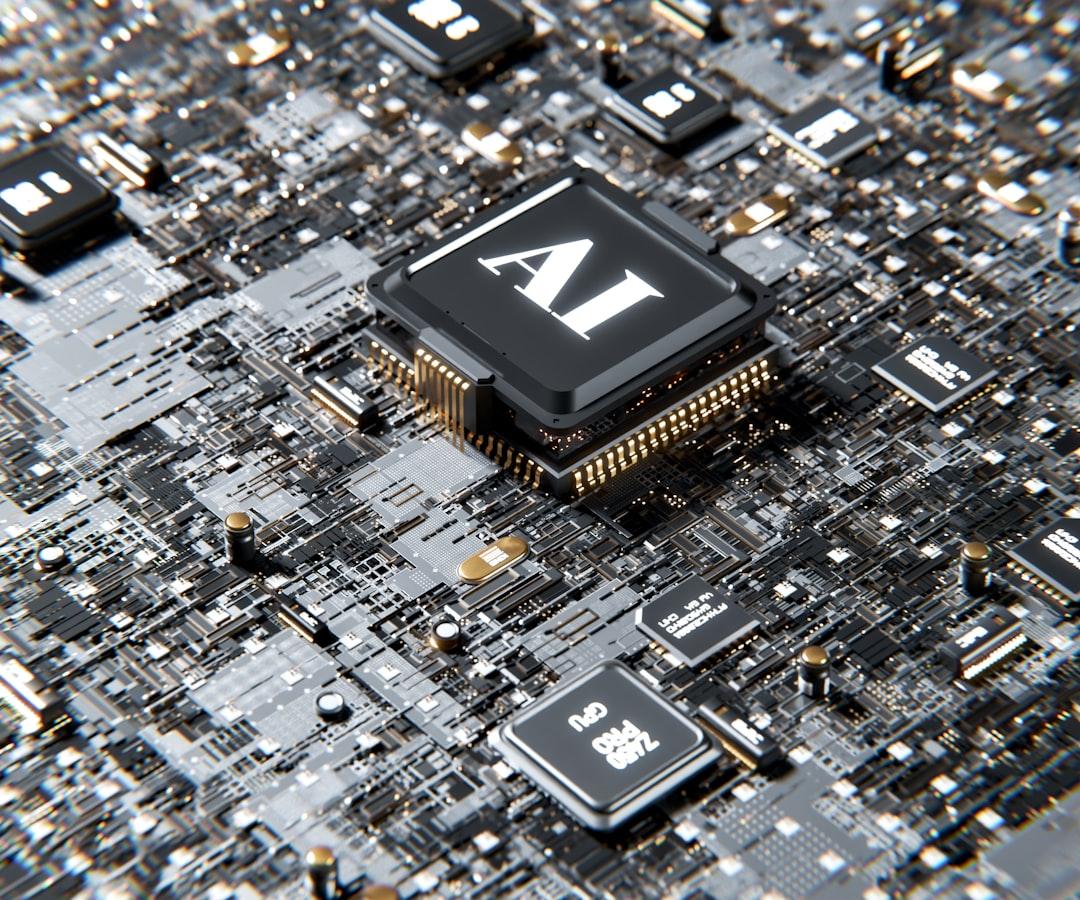
The Silicon Shift: Why Tech Giants are Ditching Nvidia for Custom Chips
A wave of tech giants is bypassing Nvidia to develop custom hardware, signaling a major shift in the global AI supply chain and power dynamics.

Anthropic Gains White House Green Light to Deploy Advanced 'Mythos' AI Model
Following weeks of high-stakes negotiations, Anthropic has received federal approval to pilot its advanced Mythos model with select U.S. government and private sector entities.
Corgi Insurance Denies Theft Allegations Amidst 'Vibe Coding' Controversy
Corgi, a rising star in the insurtech space, is defending its reputation against allegations of software theft, highlighting the growing tensions in the era of 'vibe coding'.