- The "America 250: From 1776 to the Moon and Beyond" series chronicles the US's 250-year journey in space exploration.
- It covers key eras from the Space Race and Apollo missions to the current rise of commercial spaceflight and future Mars ambitions.
- The series emphasizes the link between space exploration, technological advancement, and national identity.
- Future frontiers explored include returning to the Moon with Artemis, Mars missions, and the potential of space tourism and resource utilization.
America's Space Odyssey: 250 Years of Cosmic Ambition
From the Declaration of Independence to lunar footprints and beyond, a new series explores the nation's enduring drive for space exploration.
Jul 4, 2026·0 views

Key Takeaways
As the United States approaches its 250th anniversary, a comprehensive series from Space.com embarks on an ambitious exploration of the nation's profound and enduring relationship with space. Titled "America 250: From 1776 to the Moon and Beyond," this multi-part feature traces a remarkable trajectory from the foundational ideals of 1776 to the pioneering spirit that propelled humanity to the lunar surface and continues to push the boundaries of cosmic endeavor.
The series meticulously chronicles the evolution of American ambition, demonstrating how the pursuit of scientific discovery and technological advancement has been intrinsically linked to the nation's identity and global standing. It’s a narrative that spans centuries, showcasing not just the technological leaps but also the societal shifts and the unwavering human curiosity that has fueled our gaze towards the stars.
The early chapters of this cosmic chronicle naturally delve into the nascent stages of American scientific thought and the gradual realization of possibilities beyond Earth's atmosphere. While the immediate aftermath of the nation's founding was focused on establishing its terrestrial footing, the seeds of exploration, both geographical and intellectual, were being sown. These early aspirations, though perhaps not explicitly directed at space, laid the groundwork for a culture that would eventually embrace the challenges of venturing into the unknown.
The true acceleration of America's space ambitions, however, is inextricably tied to the mid-20th century Space Race. The series highlights the intense geopolitical climate that catalyzed unprecedented investment in rocketry, astronautics, and related scientific fields. This era, marked by the rivalry with the Soviet Union, became a crucible for innovation, pushing the boundaries of what was thought possible and forging a new generation of scientists, engineers, and explorers.
Key milestones from this period, such as the Mercury, Gemini, and Apollo programs, are presented not merely as historical events but as testament to a national commitment to achieving the seemingly impossible. The iconic moon landing, a defining moment for humanity, is explored in depth, examining the intricate planning, the immense technological hurdles overcome, and the profound cultural impact of American astronauts planting their flags on another world.
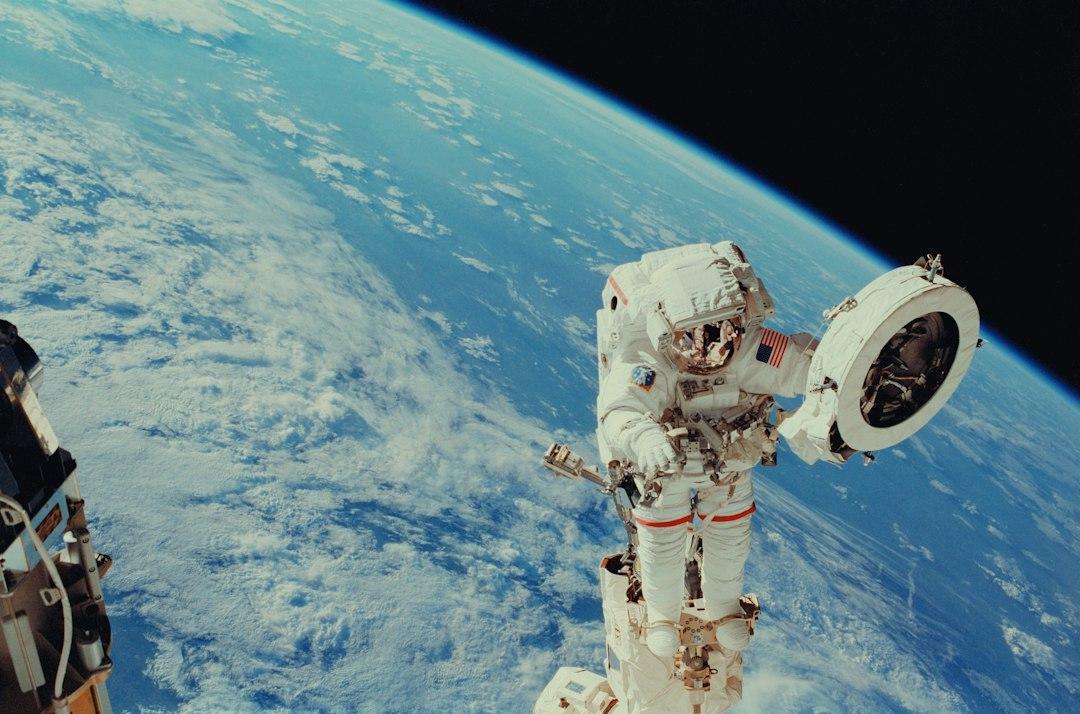
The narrative doesn't end with the Apollo missions. The series meticulously details the subsequent decades, which saw NASA and private entities continue to expand America's presence in space. The development of the Space Shuttle program, the construction and ongoing operation of the International Space Station (ISS), and the deployment of sophisticated robotic probes to explore the solar system all represent significant chapters in this ongoing saga.
The series emphasizes how these endeavors have not only advanced scientific knowledge but have also yielded invaluable technological spin-offs that benefit life on Earth. From satellite communication and weather forecasting to advancements in medicine and materials science, the impact of space exploration resonates far beyond the vacuum of space.
In recent years, the landscape of space exploration has undergone a dramatic transformation with the rise of commercial spaceflight. The series dedicates significant attention to this paradigm shift, exploring the contributions of companies like SpaceX, Blue Origin, and others. This new era is characterized by increased accessibility, reduced costs, and a renewed sense of entrepreneurial spirit driving innovation.
Looking ahead, "America 250: From 1776 to the Moon and Beyond" casts its gaze towards the future. It explores ambitious plans for returning humans to the Moon through programs like Artemis, the long-term vision for establishing a sustainable lunar presence, and the ultimate goal of sending astronauts to Mars. The series also touches upon the burgeoning field of space tourism, the potential for asteroid mining, and the ongoing search for extraterrestrial life, painting a picture of a future where humanity's reach extends ever further into the cosmos.
The series underscores the critical role of continuous innovation, international collaboration, and public engagement in shaping the future of space exploration. It highlights that the pursuit of space is not merely a technological race but a fundamental human endeavor, driven by curiosity, the desire to understand our place in the universe, and the potential to unlock new frontiers for the benefit of all.
As America prepares to celebrate its 250th anniversary, this series serves as a powerful reminder of the nation's extraordinary achievements in space and its unwavering commitment to continuing this celestial journey. It’s a narrative that inspires, educates, and looks forward to a future where the sky is no longer the limit, but merely the beginning.
Enjoying this article?
Get the daily AI briefing sent straight to your inbox.
Frequently Asked Questions
What is the "America 250" series about?
The "America 250: From 1776 to the Moon and Beyond" series from Space.com explores the United States' 250-year history and future in space exploration, covering major milestones from early aspirations to current and future missions.
What are some key historical periods covered in the series?
The series delves into the early stages of American scientific thought, the intense period of the Space Race, the iconic Apollo moon landings, the development of the Space Shuttle and ISS, and the advancements made by robotic probes.
What does the series say about the future of American space exploration?
The series looks ahead to ambitious future plans such as the Artemis program to return to the Moon, potential Mars missions, the growth of commercial spaceflight, space tourism, and the exploration of asteroid mining and the search for extraterrestrial life.
Comments
0Please sign in to leave a comment.
Related articles

Gemstones in the Clouds: Scientists Discover Exotic Weather on WASP-193b
Astronomers have identified potential gemstone-like particles in the atmosphere of WASP-193b, an ultra-low-density exoplanet that defies conventional physics.

Why Can You See the Moon During the Day? A Guide to Daytime Stargazing
Ever wondered why the Moon is visible during daylight hours? Experts explain the mechanics of lunar orbits and why this week offers prime viewing opportunities.
SpaceX Thrusters and the Tesla Roadster: A Deep Dive into Orbital Dynamics
Years after its historic launch, the Tesla Roadster remains a fixture in space lore. Recent developments in thruster technology have reignited interest in its trajectory.