- Alibaba has officially banned internal use of Anthropic's Claude Code.
- The tool is classified as 'high-risk' due to potential IP leakage and security vulnerabilities.
- The move highlights the growing corporate struggle between AI-driven productivity and data security.
- Alibaba is likely to favor its proprietary AI models over external third-party tools.
Alibaba Restricts Claude Code Usage Amid Rising Corporate Security Concerns
The Chinese tech giant has officially classified Anthropic’s AI developer tool as 'high-risk,' signaling a broader industry trend of restricting third-party AI agents.
Jul 4, 2026·0 views
Key Takeaways
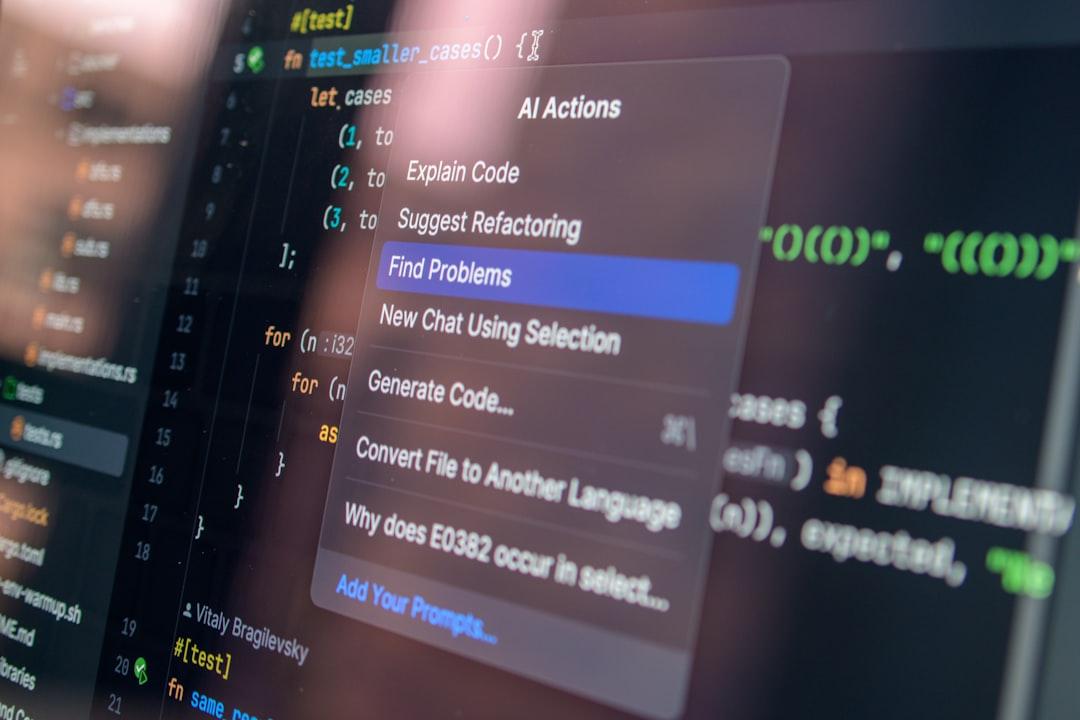
In a move that highlights the ongoing tension between rapid AI adoption and corporate security, Chinese e-commerce giant Alibaba has reportedly restricted its employees from using Claude Code. The tool, developed by Anthropic, is an AI-powered agent designed to assist software engineers by writing code, running terminal commands, and managing complex development workflows.
According to internal reports, Alibaba’s leadership has officially classified the software as 'high-risk.' This designation effectively bans the tool from company-sanctioned development environments, marking one of the most significant crackdowns on third-party generative AI tools by a major technology firm to date.
Claude Code represents a new breed of AI assistants that go beyond simple text completion. Unlike standard chatbots, these agents are integrated directly into the local development environment, providing them with access to source code repositories, system terminals, and sensitive configuration files.
For enterprise security teams, this level of access introduces a complex attack surface. Key concerns that likely influenced Alibaba’s decision include:
- Proprietary Code Leakage: The possibility that internal intellectual property could be transmitted to third-party servers to train external models or be exposed via data breaches.
- Supply Chain Vulnerabilities: AI-generated code, while efficient, may inadvertently introduce security flaws or dependencies that are vulnerable to exploitation.
- Data Sovereignty and Compliance: As a global entity operating under strict data protection laws, Alibaba must ensure that all developer interactions with AI tools remain within authorized, audited boundaries.
Alibaba is not alone in its skepticism. As AI agents become more autonomous, major corporations worldwide are grappling with how to balance the productivity gains of AI with the imperative of protecting trade secrets. Claude Code’s ability to execute shell commands and modify file structures makes it a powerful assistant, but it also creates a significant 'black box' scenario for IT security departments.
Many tech companies are currently opting for a 'walled garden' approach. Instead of allowing employees to use external, public-facing AI agents, firms are increasingly investing in proprietary, localized, or private-cloud versions of large language models (LLMs). By keeping the AI within their own infrastructure, these companies maintain full control over the data lifecycle.
For Alibaba’s massive engineering workforce, this restriction represents a return to more traditional, manual coding standards—at least for the time being. The company has long been a proponent of AI, having developed its own robust suite of models, including the Qwen series. It is highly probable that Alibaba will push its engineers to utilize its own internal AI tools rather than relying on external solutions like Anthropic’s.
Industry analysts suggest that this move could trigger a ripple effect. If one of the world’s largest cloud and e-commerce companies deems these tools too risky, other enterprises with similar security profiles may follow suit. This presents a unique challenge for AI companies like Anthropic, which must now prove to enterprise clients that their tools are secure enough to be integrated into high-stakes corporate environments.
As AI continues to evolve from a passive assistant to an active agent, the role of corporate governance will become increasingly critical. The 'high-risk' label applied by Alibaba acts as a warning shot to the industry: the convenience of AI agents cannot come at the expense of enterprise security.
Companies seeking to adopt these technologies will likely need to focus on:
- Strict Access Control: Implementing rigorous identity and access management for AI agents.
- Auditability: Developing tools that can monitor and log every action taken by an AI agent within a codebase.
- Local Processing: Prioritizing tools that can run on-premises or within secure VPC (Virtual Private Cloud) environments to ensure data never leaves the corporate firewall.
As the dust settles on this announcement, the tech world will be watching closely to see if Anthropic responds with enterprise-grade security features designed to reassure cautious global corporations.
Enjoying this article?
Get the daily AI briefing sent straight to your inbox.
Frequently Asked Questions
Why did Alibaba ban Claude Code?
Alibaba banned Claude Code due to security concerns, labeling it 'high-risk' because of the tool's ability to access sensitive internal code repositories and execute system commands.
Is Claude Code dangerous for companies?
While powerful, AI agents like Claude Code can pose risks to enterprises by potentially exposing proprietary code to third-party servers or introducing unverified dependencies into software supply chains.
What is Alibaba's alternative to Claude Code?
Alibaba is expected to encourage its engineers to use its own proprietary AI models, such as the Qwen series, which can be managed securely within the company's internal infrastructure.
Comments
0Please sign in to leave a comment.
Related articles
How the AI Community is Building the Models That Big Tech Won't
When the perfect AI model doesn't exist, the modern developer doesn't wait—they build it. Here is how the open-source movement is reshaping the AI landscape.

Black Forest Labs Unveils FLUX.3: A New Benchmark for Open-Weight Image Models
Black Forest Labs has officially released FLUX.3, marking a significant leap in open-weight generative AI. Now fully integrated into the Hugging Face Diffusers library, the model promises enhanced image quality and developer accessibility.
Even Healthcare Hits $300M Valuation: Khosla Ventures Backs India Hospital Pivot
Even Healthcare has secured a fresh investment led by Khosla Ventures, reaching a $300 million valuation to expand its unique, member-first hospital network.