Yamaha, a global leader in two-wheeler manufacturing, has officially unveiled the Aerox-E electric scooter in India, marking its significant foray into the nation's burgeoning yet intensely competitive electric vehicle (EV) market. This launch is not merely an introduction of a new model; it represents a calculated strategic pivot by Yamaha, choosing to target the premium, performance-focused segment rather than engaging in the ongoing price wars that characterize much of the Indian electric scooter landscape.
The Aerox-E is an electric iteration of Yamaha's highly successful and sporty maxi-scooter, the Aerox 155, which has garnered a loyal following for its distinctive design and spirited performance. By electrifying an already popular platform, Yamaha aims to leverage existing brand recognition and consumer trust, positioning the Aerox-E as a sophisticated choice for urban commuters who prioritize riding dynamics, advanced features, and a premium ownership experience.
The Indian electric two-wheeler market is currently experiencing exponential growth, driven by government incentives, rising fuel prices, and increasing environmental awareness. However, the market is also characterized by fierce competition, with numerous domestic players like Ola Electric, Ather Energy, TVS iQube, and Bajaj Chetak vying for market share. Many of these manufacturers have focused on offering affordable options with competitive ranges, making the entry point for electric mobility accessible to a broader demographic.
Yamaha's decision to launch the Aerox-E with a premium positioning, reportedly carrying one of the highest price tags in the country's scooter segment, stands in stark contrast to this prevailing trend. This strategy suggests that Yamaha is not looking to capture the largest volume of sales immediately but rather to establish a strong presence in a niche segment that values quality, brand legacy, and superior performance.
The Aerox-E inherits the aggressive, aerodynamic styling of its internal combustion engine (ICE) counterpart, promising a ride that is both visually striking and dynamically engaging. While specific performance figures such as motor power, top speed, and acceleration are keenly anticipated, Yamaha's emphasis on a "sporty maxi-scooter" experience implies a focus on quick responsiveness and agile handling, crucial for navigating congested urban environments.
The design ethos extends beyond aesthetics, aiming to deliver a refined and enjoyable riding experience. Premium features, though not fully detailed, are expected to include advanced instrumentation, connectivity options, and superior build quality, aligning with the scooter's upscale market positioning. The integration of electric powertrain technology is designed to complement the scooter's inherent sportiness, offering instant torque and smooth acceleration characteristic of electric propulsion.
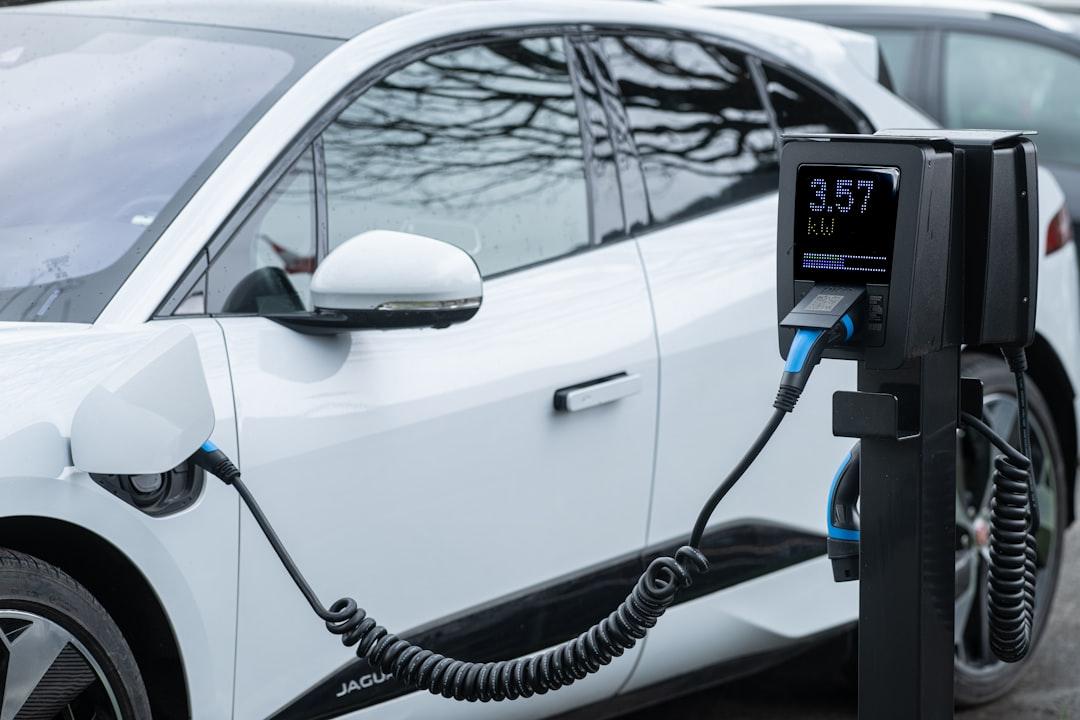
One of the most significant and practical features of the Aerox-E is its incorporation of removable batteries. This design choice addresses a critical challenge in the widespread adoption of electric two-wheelers in India: charging infrastructure.
Removable batteries offer several key advantages:
- Convenience for Urban Dwellers: Riders living in apartments or without dedicated parking spaces can easily remove the battery and charge it at home or in the office, eliminating the need for external charging stations.
- Flexibility and Range Anxiety Mitigation: The ability to swap out a depleted battery for a fully charged one (if a swapping network becomes available) can significantly reduce range anxiety and enable longer journeys.
- Potential for Battery Swapping Infrastructure: This design choice inherently supports the development of a battery swapping ecosystem, which could revolutionize urban electric mobility by offering instant "refuels" without waiting times.
This feature underscores Yamaha's understanding of the unique logistical challenges faced by Indian consumers and its commitment to providing practical, user-centric solutions. It positions the Aerox-E not just as a performance scooter but also as a highly adaptable urban mobility solution.
The reported premium pricing of the Aerox-E is a bold statement from Yamaha. It signifies a confidence in its brand value, product quality, and the willingness of a segment of consumers to pay more for a superior offering. This strategy could help Yamaha avoid direct competition with the volume-focused players, instead carving out a distinct niche for discerning buyers who prioritize brand prestige, advanced technology, and a refined riding experience.
By targeting the higher end of the market, Yamaha is likely aiming for higher profit margins per unit and cultivating a premium image for its electric offerings. This approach also aligns with Yamaha's global brand identity, which often emphasizes performance and quality across its product lines. The success of the Aerox-E will be a crucial indicator of the maturity of the Indian EV market and the willingness of consumers to invest in premium electric mobility solutions.
The launch of the Aerox-E in India is more than just a single product introduction; it is a clear signal of Yamaha's broader commitment to electrification in key global markets. As regulations tighten and consumer preferences shift towards sustainable transportation, established manufacturers like Yamaha are increasingly investing in electric powertrains. The Aerox-E could serve as a blueprint or a testbed for future electric models, allowing Yamaha to gather valuable data and insights into consumer behavior and market dynamics in one of the world's largest two-wheeler markets.
In conclusion, the Yamaha Aerox-E represents a strategic and ambitious move. By focusing on premium features, sporty performance, and the practical innovation of removable batteries, Yamaha is not just entering the Indian EV market; it is actively seeking to redefine its premium segment and pave the way for a new era of electric mobility that combines excitement with sustainability.