- England advanced to the 2026 World Cup semifinals following a dramatic 2-1 extra-time win against Norway.
- Neymar Jr. has utilized social media to address his critics, turning personal brand management into a key tournament narrative.
- The tournament is heavily defined by real-time social media engagement, with player reactions and fan debates taking place instantly.
- Individual star power, specifically the rivalry/friendship between Haaland and Bellingham, continues to drive record-breaking digital engagement.
World Cup Social Media Frenzy: Neymar’s Viral Trolling and England’s Drama
As the 2026 FIFA World Cup reaches its fever pitch, social media has become the ultimate arena for player banter, fan reactions, and viral moments.
Jul 12, 2026·0 views
Key Takeaways
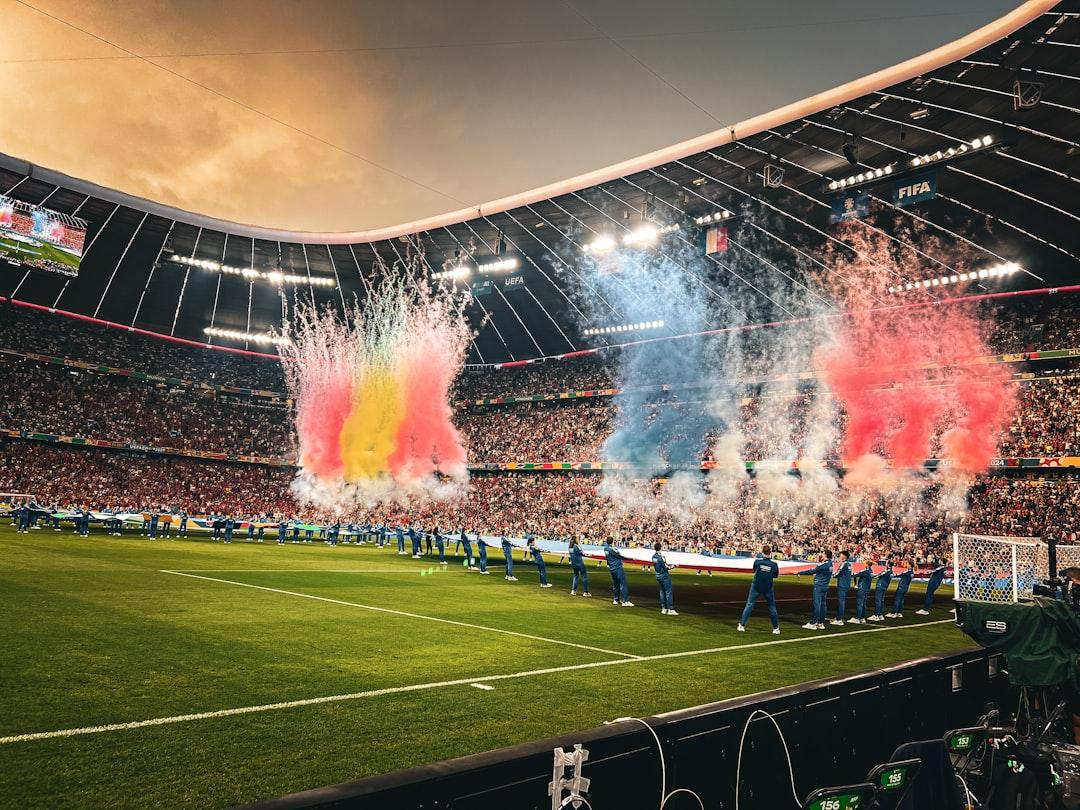
The 2026 FIFA World Cup has transformed from a traditional broadcast event into a massive, real-time social media experience. As the tournament progresses toward its final stages, the intersection of elite athletics and digital culture has never been more prominent. This weekend’s dramatic quarter-final between England and Norway—which saw the Three Lions secure a 2-1 victory in extra time—served as the primary catalyst for a firestorm of memes, debates, and viral reactions that have captivated the global audience.
England’s path to the semifinals has been anything but conventional. Saturday’s match against a formidable Norwegian side tested the patience of fans and the tactical depth of the English squad. After falling behind early, the comeback victory was celebrated by supporters as a testament to the team’s mental fortitude, while detractors online questioned their consistency.
Social media platforms were flooded with highlight reels of the decisive extra-time goal, accompanied by an influx of analytics-heavy threads dissecting England's defensive lapses. The digital conversation highlighted a recurring theme in modern sports media: the immediate, often polarized assessment of team performance in the digital age.
Beyond the pitch, the most talked-about narrative involves Brazilian superstar Neymar Jr. Known for his flair on the field and his outspoken personality, Neymar has utilized social media to settle scores and lean into his public persona. Following a series of critiques regarding Brazil's earlier performance in the tournament, Neymar’s recent social media activity has been interpreted by fans and pundits alike as a calculated act of 'revenge' against his critics.
By leveraging platforms like Instagram and X (formerly Twitter), Neymar has turned the narrative of his tournament back in his favor. His posts, which often blend playful mockery with defiant confidence, have garnered millions of impressions. This behavior underscores a shift in how athletes interact with the public; players are no longer waiting for post-match press conferences to respond to criticism. Instead, they are taking control of their own brand narratives through direct, unfiltered digital communication.
While the England victory took center stage, the individual clash between Erling Haaland and Jude Bellingham provided a secondary narrative that enthusiasts couldn't ignore. Both players, representing the pinnacle of European football talent, drew significant attention for their on-field intensity.
- Haaland’s Presence: Despite Norway’s exit, Haaland’s impact on the tournament’s digital footprint was massive, with fans debating his future and overall influence.
- Bellingham’s Leadership: Bellingham’s role in England’s victory cemented his status as the tournament’s breakout star, with his social media sentiment score peaking following the final whistle.
This tournament is proving that the 'second screen' experience is now the 'first screen' for many younger demographics. The ability for fans to react, edit, and share clips of game-changing moments in real-time has fundamentally changed the value proposition for tournament broadcasters.
As we look toward the semifinals and the eventual final, the pressure on athletes to perform is compounded by the digital scrutiny they face. The 'Neymar effect'—where personal brand management becomes as important as performance—is likely to be the blueprint for the next generation of football stars. Whether it is through tactical banter or raw, emotional reactions, the 2026 World Cup is proving that the game is now played as much on the internet as it is on the grass.
Enjoying this article?
Get the daily AI briefing sent straight to your inbox.
Frequently Asked Questions
Who did England defeat to reach the 2026 World Cup semifinals?
England defeated Norway 2-1 in a dramatic extra-time victory to secure their spot in the semifinals.
Why is Neymar trending during the 2026 World Cup?
Neymar is trending due to his active use of social media to respond to critics and control his public narrative following Brazil's performance.
Comments
0Please sign in to leave a comment.
Related articles
Controversy at the World Cup: Was England’s Equalizer Aided by Spidercam?
A quarter-final clash between England and Norway has sparked a massive debate over technology interference after claims that a Spidercam altered the ball's trajectory.
Bellingham Goal Controversy: Tech Replay Clears Spidercam Interference
Norway’s World Cup dreams end in frustration after a controversial goal, prompting a deep dive into the technology behind match-deciding officiating.
England's World Cup Semi-Final Dilemma: Who Should Start?
With England securing a spot in the World Cup semi-finals, the debate over the starting lineup reaches a fever pitch. We break down the key tactical choices.