- The World Cup field has narrowed to eight teams, including a mix of favorites and surprise contenders.
- Success in the quarterfinals hinges on squad depth, tactical discipline, and set-piece efficiency.
- Mental toughness and the ability to perform under high-pressure conditions are the deciding factors for the final matches.
- The tournament's knockout format emphasizes the importance of defensive structure over pure offensive talent.
World Cup Quarterfinal Power Rankings: Who Is Poised to Lift the Trophy?
As the tournament narrows to the final eight, we analyze the remaining contenders and their paths to World Cup glory.
Jul 8, 2026·1 views
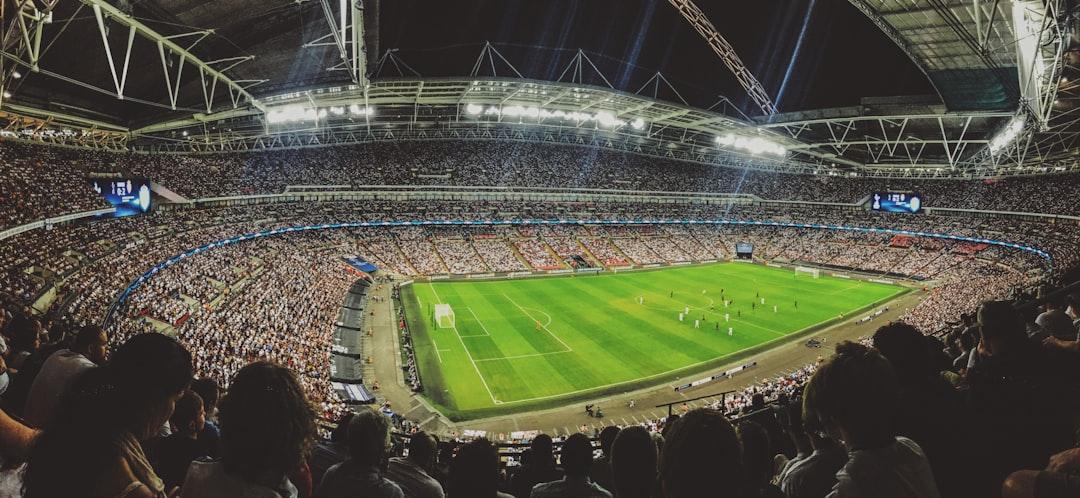
Key Takeaways
After 96 grueling matches, the World Cup field has been whittled down to the final eight nations. The tournament has been defined by high-octane drama, tactical masterclasses, and the crushing weight of expectation. As we enter the quarterfinal stage, the remaining contenders represent a fascinating blend of historical heavyweights, rising programs that have defied the odds, and squads that have proven their consistency when the pressure is at its peak.
Analyzing these teams requires looking beyond the scoreboards. It demands an examination of squad depth, defensive resilience, and the tactical flexibility required to navigate the high-stakes environment of a single-elimination knockout bracket. Here is how the remaining quarterfinalists stack up as they prepare for the ultimate test.
At the pinnacle of our rankings sit the teams that have not only survived the group stages and the round of 16 but have done so with a sense of inevitability. These nations possess a combination of world-class talent and the tactical discipline needed to win tight, low-scoring affairs.
- The Tactical Giants: These teams have showcased an ability to control the tempo of a match, dictate play in the midfield, and capitalize on even the smallest defensive errors. Their rosters are deep, ensuring that fatigue—a major factor in late-tournament play—is mitigated by high-quality substitutions.
- The Momentum Builders: Some teams enter the quarterfinals on a wave of confidence, having dismantled opponents in the previous round. This psychological edge is vital, as the pressure of a World Cup quarterfinal can often cause even the most experienced players to falter.
Not every team in the final eight arrived with the expectation of lifting the trophy. Several nations have utilized a 'team-first' mentality, relying on superior fitness and rigid defensive structures to overcome opponents with higher individual star power.
In the knockout stages, individual brilliance often captures the headlines, but defensive structure wins championships. The teams that have successfully implemented a low-block defense while maintaining a sharp counter-attacking threat have consistently found success in this tournament. These 'long shots' are not merely happy to be here; they have identified the weaknesses of the traditional powers and are prepared to exploit them.
As the tournament progresses, three specific factors will determine who advances to the semifinals:
- Bench Depth: With the potential for extra time and penalty shootouts, the ability of a manager to bring on impact players in the 70th minute cannot be overstated.
- Set-Piece Efficiency: In games where open play is stifled by tactical caution, dead-ball situations often become the deciding factor. Teams with specialized set-piece coaches and aerial threats have a distinct advantage.
- Mental Fortitude: The ability to handle the pressure of a penalty shootout or a late-game deficit is what separates the champions from the also-rans.
As we prepare for the quarterfinals, the narrative of the World Cup is reaching its climax. Each team remaining has a unique path to glory, and for those ranked lower in our power rankings, the opportunity to shock the world remains within reach. Whether it is a traditional powerhouse solidifying its legacy or a rising nation announcing its arrival on the global stage, one thing is certain: the next few days of football will be etched into history.
Fans should keep a close eye on the tactical shifts in the opening ten minutes of each match. These early moments often reveal which team has the better game plan and which players are ready to shoulder the burden of a nation's expectations. The path to the final is short, but for the eight teams left standing, it is the most difficult challenge in sports.
Enjoying this article?
Get the daily AI briefing sent straight to your inbox.
Frequently Asked Questions
How many teams are left in the World Cup?
There are eight teams remaining in the tournament, all competing in the quarterfinal round.
What factors are most important for winning a World Cup quarterfinal?
Key factors include bench depth, defensive structure, set-piece efficiency, and mental resilience during high-pressure moments like penalty shootouts.
Comments
0Please sign in to leave a comment.
Related articles
The Ballon d’OF Countdown: Predicting the 2025-26 Football Elite
With the 2026 Ballon d'Or ceremony approaching, we break down the latest rankings and the methodology behind the coveted Ballon d’OF editorial selection.
Athletic Club Crisis: Gorka Guruzeta Out for Season With ACL Injury
Athletic Club confirms Gorka Guruzeta will miss the remainder of the season after suffering a season-ending cruciate ligament injury against Valencia CF.
Napoli Star Alisson Santos Faces Another Injury Setback After Return
Napoli’s momentum hits a snag as Alisson Santos suffers a fresh injury blow immediately following his return to the pitch.