- The New York New Jersey Stadium pitch has been widely criticized for being bobbly and dry during the World Cup final.
- Poor surface conditions have significantly disrupted the tactical rhythm and passing accuracy of both Spain and Argentina.
- Experts have raised concerns about the impact of uneven turf on player safety and the overall quality of elite-level matches.
- The incident has sparked a broader debate regarding stadium maintenance standards for major international tournaments.
World Cup Final Pitch Controversy: Why New Jersey Turf is Under Fire
Players and spectators express frustration as poor field conditions mar the opening stages of the Spain vs. Argentina showdown.
Jul 19, 2026·0 views
Key Takeaways
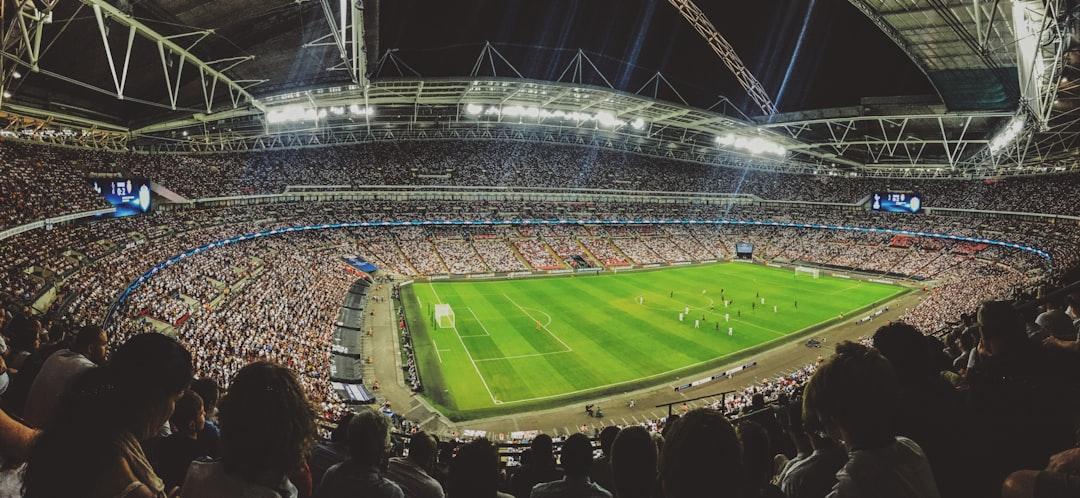
The marquee event of the sporting calendar, the World Cup final between Spain and Argentina, has been marred by an unexpected antagonist: the pitch at the New York New Jersey Stadium. As millions of eyes turned toward the Garden State for the ultimate showdown, the narrative quickly shifted from tactical brilliance to the physical state of the playing surface. Players, coaches, and analysts alike have described the turf as 'bobbly' and 'dry,' conditions that experts argue have significantly hindered the technical flow of the match.
In a game defined by the world’s most talented midfielders and strikers, a smooth surface is the baseline requirement for success. However, the early stages of the match saw multiple unforced errors, with the ball taking unpredictable bounces that disrupted passing lanes and stifled buildup play. For teams like Spain, who rely on intricate, ground-based possession, the poor surface has served as a tangible barrier to their signature style of play.
Modern football is a game of millimeters and milliseconds. When a pitch is uneven or lacks the necessary moisture to allow the ball to glide, the entire geometry of the game changes. Elite players rely on muscle memory to gauge how the ball will behave upon contact with the ground. When that consistency is removed, the game shifts from a contest of skill to a battle of survival.
- Surface Unevenness: Reports from the pitch-side indicate that the turf is 'bobbly,' leading to erratic ball movement that makes trapping and controlling the ball exceptionally difficult.
- Moisture Deficits: The dry nature of the grass has increased friction, slowing the speed of the ball and forcing players to exert more energy to execute simple passes.
- Risk of Injury: Beyond the tactical implications, there are mounting concerns regarding player safety. Uneven surfaces are a primary cause of non-contact ankle and knee injuries, a reality that looms large over the participants in such a high-stakes environment.
Social media has been flooded with criticism from fans and pundits who expected a pristine, world-class experience for the final. The New York New Jersey Stadium, which is slated to host several high-profile matches in the coming years, is now under intense scrutiny. Critics argue that for a tournament of this magnitude, the quality of the playing field should be non-negotiable.
'It is simply unacceptable,' noted one tactical analyst during the halftime break. 'You have the best players in the world, yet they are forced to play on a surface that wouldn't pass muster in the lower divisions.' The frustration is palpable, with many questioning the maintenance protocols and the decision-making process that led to the pitch being in such poor condition for the most significant match in international football.
As the world looks toward the future of hosting major tournaments, this incident serves as a critical wake-up call. The infrastructure of stadiums, particularly those that host multi-purpose events including concerts and other sports, must prioritize the integrity of the pitch. The use of hybrid grass systems and advanced irrigation technology is no longer a luxury; it is a necessity for the modern game.
While the match between Spain and Argentina continues to unfold, the conversation surrounding the 'terrible' pitch has undoubtedly cast a shadow over the spectacle. Whether the teams can overcome these environmental hurdles or if the outcome will be decided by a bad bounce remains to be seen. One thing is certain: the governing bodies of football will face significant pressure to explain how this oversight occurred on the sport's biggest stage.
Enjoying this article?
Get the daily AI briefing sent straight to your inbox.
Frequently Asked Questions
Why is the World Cup final pitch being criticized?
The pitch at the New York New Jersey Stadium is being criticized for being 'bobbly' and 'dry,' which has caused unpredictable ball movement and hindered the technical performance of players.
How does a poor pitch affect a football match?
A poor pitch can disrupt passing accuracy, slow down the speed of play, and increase the risk of non-contact injuries for athletes, ultimately changing the tactical nature of the game.
Comments
0Please sign in to leave a comment.
Related articles

Tottenham Hotspur Facing £68m Benfica Demand for Andreas Schjelderup
Tottenham Hotspur have been told they must trigger a hefty £68 million release clause to secure Benfica sensation Andreas Schjelderup, marking a major test for the club's recruitment strategy.

UEFA President Aleksander Ceferin Boycotts World Cup Final Over FIFA Tensions
UEFA President Aleksander Ceferin skipped the World Cup final, signaling a major breakdown in relations between the two most powerful bodies in football.

FIFA Launches Investigation Into Argentina Following World Cup Final Unrest
Argentina faces potential sanctions from FIFA following reports of on-pitch disorder and player conduct concerns after the World Cup final.