- Argentina's aggressive play style resulted in a crucial red card during the World Cup final.
- The match was defined by physical altercations and tactical fouling throughout.
- Critics argue the play undermined the game's integrity, while supporters view it as a high-stakes strategy.
- The incident has reignited debates regarding officiating standards in professional football.
World Cup Final Erupts: Argentina’s Aggressive Tactics Spark Controversy
A high-stakes showdown turned volatile as Argentina’s physical play led to a crucial red card, fueling debates over disciplinary standards in global football.
Jul 19, 2026·0 views
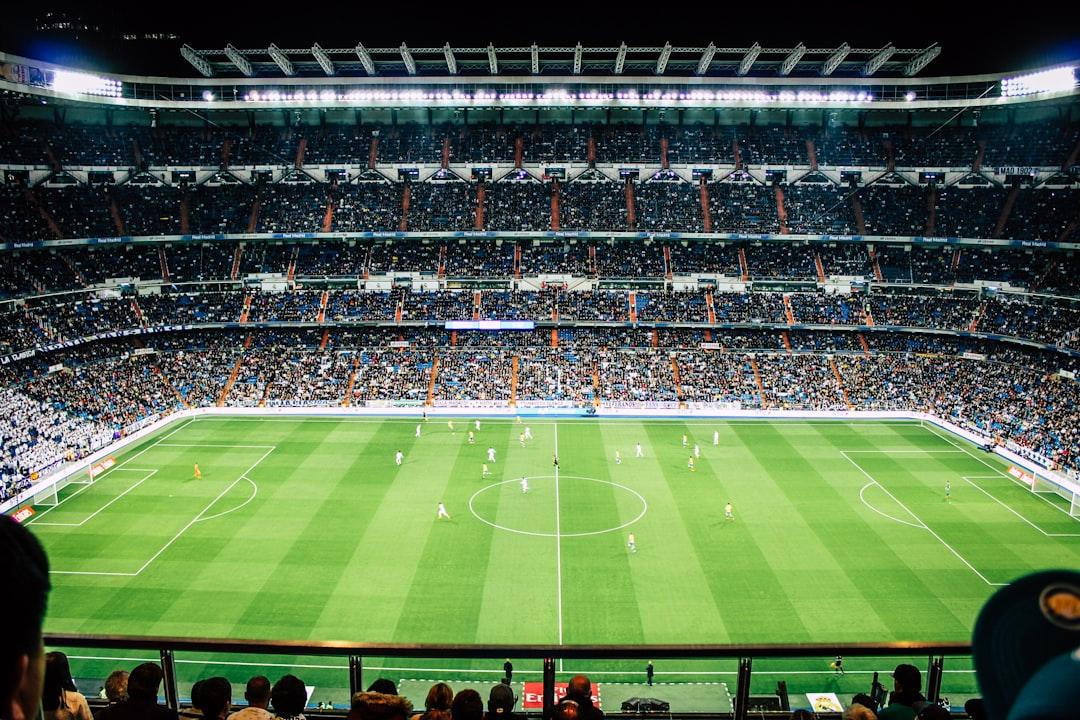
Key Takeaways
The world’s eyes were fixed on the pitch for Sunday’s World Cup final, but the spectacle quickly shifted from tactical brilliance to a heated display of physical confrontation. Argentina, entering the match with a growing reputation for a confrontational style of play, found themselves at the center of a disciplinary storm that threatened to overshadow the crowning moment of the tournament.
From the opening whistle, the intensity was palpable. However, as the stakes climbed, so did the level of aggression. What began as competitive fervor soon spiraled into a series of physical altercations, with officials forced to intervene as Argentina’s defensive tactics crossed the line into what many critics are calling 'borderline dirty' play.
The climax of the tension arrived during a pivotal sequence in the second half. Following a series of physical challenges, an Argentine player was issued a second yellow card—and subsequently a red—following a shove in the back that left little room for referee interpretation. The incident, which occurred during a high-pressure defensive transition, effectively reduced Argentina to ten men during the most critical juncture of the game.
This dismissal was not an isolated incident but the culmination of a match defined by persistent tactical fouling. Throughout the tournament, Argentina has leaned into a high-contact defensive strategy, often challenging the threshold set by match officials. While proponents argue that this physicality is a necessary component of winning at the highest level, Sunday’s events suggest that this approach carries significant risks when matches are officiated with strict adherence to player safety and conduct.
The debate surrounding Argentina’s style of play has become a central talking point for analysts and fans alike. Is this level of aggression a calculated tactical masterclass, or is it a detriment to the spirit of the game?
- The Case for Strategy: Supporters argue that in a World Cup final, every inch of space must be contested. Physicality is often used to disrupt the rhythm of technically superior opponents and to impose a psychological toll on the opposition.
- The Case for Discipline: Critics contend that such play undermines the integrity of football. Constant shirt-pulling, late challenges, and off-the-ball shoves disrupt the flow of play and risk serious injury to star athletes, which should be the primary concern of FIFA officials.
Following the match, the conversation has shifted toward how future tournaments might address these behavioral patterns. There is a growing consensus that officials may need to adopt a more proactive approach to curbing aggressive play early in the match to prevent the kind of chaos witnessed on Sunday.
Regardless of the final scoreboard, this match will be remembered for its volatile temperament. The image of players squaring off and the referee brandishing cards in the final minutes has sparked a global debate on whether the current disciplinary framework is sufficient for a modern, high-speed game.
As the dust settles, Argentina finds itself in the spotlight—not just for their pursuit of the trophy, but for the manner in which they chose to defend it. Whether this style of play is viewed as 'winning at all costs' or a failure of sportsmanship, it has undeniably left an indelible mark on the history of this World Cup.
Moving forward, the governing bodies of football face a difficult challenge: maintaining the intensity and passion that makes the World Cup the most-watched sporting event on the planet, while ensuring that the physical nature of the sport does not devolve into the contentious displays seen in this final. The balance between grit and grace remains as fragile as ever.
Enjoying this article?
Get the daily AI briefing sent straight to your inbox.
Frequently Asked Questions
Why did the Argentine player receive a red card in the final?
The player received a second yellow card, resulting in an automatic red, following a physical shove in the back during a high-pressure defensive play.
Was Argentina's style of play considered controversial?
Yes, many critics and viewers labeled their approach as 'borderline dirty' due to persistent physical challenges and tactical fouls throughout the match.
Comments
0Please sign in to leave a comment.
Related articles
Sarina Wiegman Extends England Tenure Through 2029 Women's EURO
Sarina Wiegman has committed her future to the England women's national team, signing a contract extension that will see her lead the Lionesses through the 2029 European Championship.
Sarina Wiegman Commits to England: Lionesses Boss Signs Extension to 2029
Sarina Wiegman has signed a major contract extension with the England women's team, ensuring she remains at the helm through the 2029 Euro cycle.
Liverpool Loan Watch: Key Updates on Figueroa and Emerging Academy Stars
From Figueroa’s return to the pitch to the rise of rising stars like Koumas and Nyoni, we track Liverpool’s loan army and academy progress.