- All four quarterfinal matches of the 2026 FIFA World Cup broke previous U.S. English-language viewership records.
- The surge in ratings is attributed to favorable time zones, expanded tournament format, and increased digital streaming access.
- Strong performance in viewership is expected to influence future media rights negotiations and advertiser spending.
- The tournament's success indicates a long-term shift in the popularity of soccer within the United States.
World Cup 2026 Quarterfinals Shatter U.S. Television Ratings Records
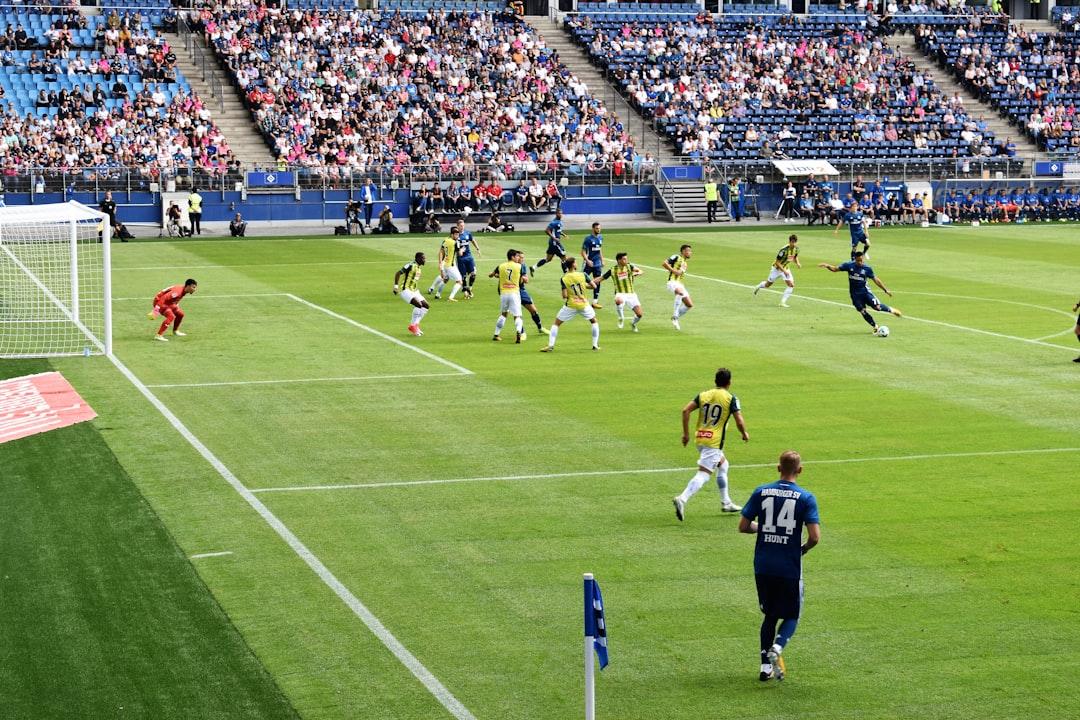
The tournament’s latest phase has set a new benchmark for soccer viewership in the United States, signaling a massive shift in domestic sports consumption.
Jul 15, 2026·0 views
Key Takeaways
The 2026 FIFA World Cup is no longer just a global spectacle; it has firmly cemented itself as a domestic powerhouse in the United States. Recent data from the quarterfinal round confirms that the sport has transcended its niche status, with all four matches shattering previous English-language viewership records. For media executives and advertisers alike, the numbers represent a seismic shift in how American audiences consume live sports.
Historically, soccer has fought for airtime against the entrenched juggernauts of the NFL, NBA, and MLB. However, the data from this tournament suggests that the combination of prime-time scheduling, the expansion of the tournament format, and the heightened level of play has created a perfect storm for unprecedented engagement.
The figures released following the conclusion of the quarterfinal matches paint a clear picture of growth. Industry analysts note that each of the four matches outperformed the previous high-water mark for that specific stage of the tournament. While specific total-viewer counts are still being tabulated by Nielsen and other metrics firms, the trend lines indicate a double-digit percentage increase compared to the 2022 tournament in Qatar.
Several factors have contributed to this surge:
- Time Zone Advantage: Unlike previous iterations held in Europe or the Middle East, the 2026 tournament hosted across North America has allowed for consistent prime-time viewing windows for U.S. audiences.
- Expanded Tournament Format: The inclusion of more teams has kept interest levels high across diverse fan bases, leading to higher baseline viewership for every matchday.
- Digital Integration: Streaming platforms have successfully bridged the gap between traditional cable viewers and younger, cord-cutting demographics, expanding the reach of the broadcast beyond the living room.
These record-breaking ratings have significant implications for the future of sports broadcasting. With the World Cup proving that it can command massive, sustained audiences across multiple weeks, media conglomerates are likely to double down on their investments in soccer rights. The success of these quarterfinals provides the necessary leverage for FIFA to negotiate even more lucrative deals for future cycles, while domestic networks will likely prioritize soccer as a premier anchor for their summer programming slates.
Advertisers are also taking note. The demographic profile of the World Cup audience—which skews younger and more diverse than traditional major league sports—is highly coveted. Brands that were once hesitant to commit heavy spend to soccer are now viewing the tournament as an essential component of their annual marketing strategy.
As the tournament moves toward the semifinals and the final match, the momentum generated by the quarterfinal stage is expected to carry over. Broadcasters are preparing for record-breaking engagement as the stakes reach their peak. If the current trajectory holds, the 2026 World Cup is poised to become the most-watched sporting event in American history, excluding the annual Super Bowl.
For the sport of soccer, this is a watershed moment. The 'World Cup effect' has historically provided a temporary boost to domestic leagues like MLS, but the scale of the 2026 viewership suggests a more permanent integration of the sport into the American cultural fabric. As fans continue to tune in, the debate over whether soccer has 'arrived' in the U.S. has effectively been settled by the numbers themselves. The challenge for the industry now is to maintain this level of interest once the final trophy is lifted and the global spotlight shifts elsewhere.
Enjoying this article?
Get the daily AI briefing sent straight to your inbox.
Frequently Asked Questions
Did the 2026 World Cup quarterfinals break U.S. records?
Yes, all four quarterfinal matches set new records for English-language television viewership in the United States for that round.
Why are ratings for the 2026 World Cup higher in the U.S.?
Primary drivers include favorable time zones for North American viewers, an expanded tournament format, and increased accessibility through digital streaming platforms.
Comments
0Please sign in to leave a comment.
Related articles

Scott Bryce, Beloved 'As The World Turns' and 'Popular' Actor, Dies at 68
Scott Bryce, a staple of daytime and primetime television, has passed away at 68. Fans and colleagues remember the actor for his versatile performances.
Warner Bros. Inks First-Look Deal with 'Backrooms' Producer Chris Ferguson
Warner Bros. has officially entered a first-look deal with producer Chris Ferguson, the mastermind behind the viral 'Backrooms' adaptation and recent horror hits.
Writers Guild Files Lawsuit to Halt Paramount-Warner Bros. Mega-Merger
In a major escalation of industry tensions, the Writers Guild of America has moved to block the Paramount-Warner Bros. merger, citing concerns over market dominance and labor rights.