- The BBC outperformed ITV in the 2026 World Cup final broadcast by maintaining a physical presence at the stadium.
- Wayne Rooney’s unfiltered criticism of the half-time show resonated with viewers and highlighted the need for authenticity in sports punditry.
- ITV’s visually impressive Brooklyn studio was criticized for creating a disconnect between the pundits and the live atmosphere of the game.
- The tournament highlighted that proximity to the action remains a crucial factor for viewer engagement in major sports events.
Wayne Rooney’s Candid Critique Highlights BBC’s World Cup Final Broadcast Win
While ITV opted for a scenic Brooklyn studio, the BBC’s stadium presence and unfiltered punditry captured the pulse of the 2026 World Cup final.
Jul 20, 2026·0 views
Key Takeaways
The 2026 World Cup final served as more than just a clash of titans on the pitch; it ignited a fierce competition between the United Kingdom’s two primary broadcasters, the BBC and ITV. As the dust settles on the tournament, media analysts and football fans alike are dissecting the coverage strategies that defined this global event. While both networks brought their A-game, it was the BBC’s decision to remain firmly embedded within the stadium environment that ultimately allowed them to claim victory in the eyes of many viewers.
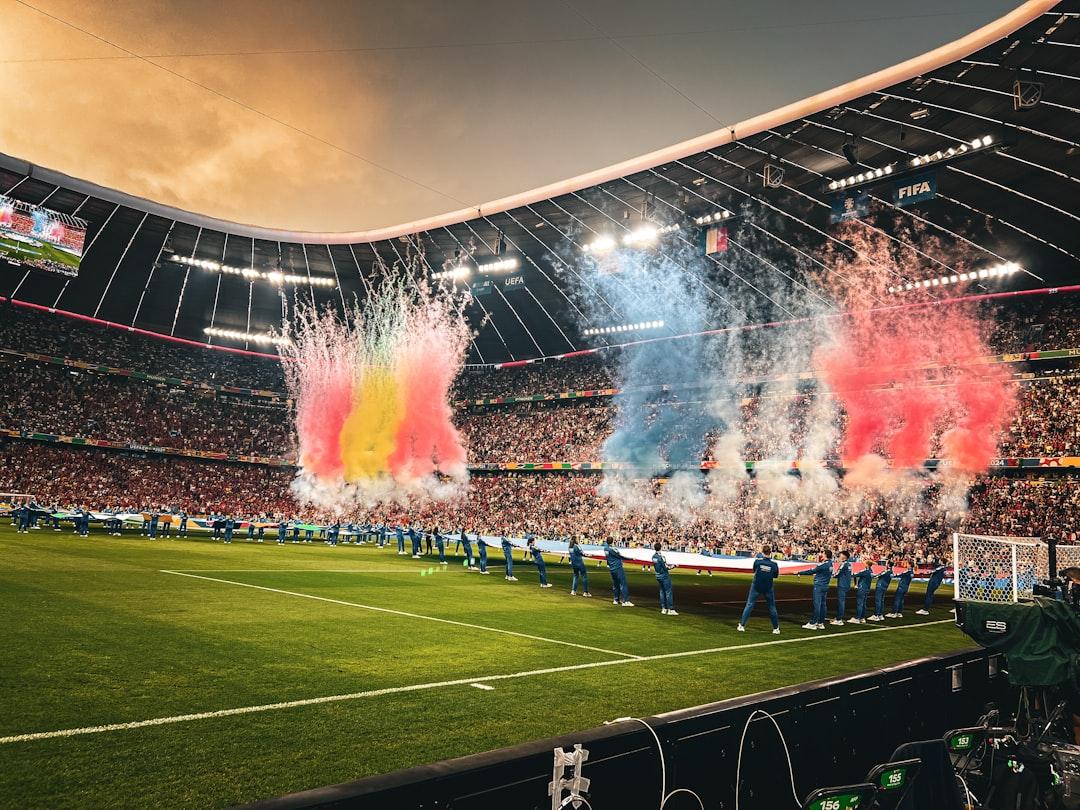
One of the most memorable moments of the broadcast did not come from the tactical analysis of the match itself, but rather from a moment of raw, unscripted honesty during the half-time interval. As the tournament organizers presented a elaborate, and perhaps ill-advised, musical entertainment segment, Wayne Rooney did not mince his words.
“I thought it was crap,” the former England captain remarked live on air. His candid assessment resonated with millions of viewers at home who were left baffled by the decision to broadcast the full karaoke-style show. By voicing the frustration shared by many, Rooney provided a humanizing touch to the polished world of sports broadcasting. His commentary stood in stark contrast to the often overly curated nature of major sporting events, cementing his status as a pundit who prioritizes authenticity over corporate diplomacy.
While the BBC leaned into the grit and reality of being pitch-side, ITV opted for a more aesthetic, high-production approach. The network established a visually stunning studio in Brooklyn, offering viewers a breathtaking backdrop of the Hudson River and the Brooklyn Bridge. It was a masterclass in set design, providing a sense of place and atmosphere that felt quintessentially 'New York.'
However, this decision came with a strategic trade-off. Despite the scenic beauty, the distance from the stadium—even with the relative ease of travel between New York and the venue—created a perceived disconnect. Pundits such as Roy Keane, Gary Neville, and Ian Wright, while brilliant in their analysis, were physically removed from the immediate intensity of the final. This distance became a focal point of criticism, especially when compared to the BBC team, who were reporting from the heart of the action.
Ally McCoist, who was present at the stadium, noted that the atmosphere was something that simply could not be replicated from a remote studio. His comment that the half-time spectacle had “mentally scarred” those in attendance served as a humorous but pointed reminder that being physically present allows for a different level of engagement with the event’s narrative.
For the BBC, being in the stadium meant they were perfectly positioned to capture the immediate reactions of players, the shifting energy of the crowd, and the raw emotion of the final whistle. In a world where digital streaming and high-definition broadcasts allow viewers to see everything, the 'human element' provided by on-site reporters remains a critical differentiator.
As global sports events continue to evolve, the 2026 World Cup final has provided a clear lesson for networks: technology and aesthetics are important, but they cannot replace the value of proximity. The audience craves authenticity, and they are more likely to connect with pundits who are experiencing the same environment as the fans.
Moving forward, broadcasters will need to balance the allure of high-budget studio sets against the necessity of being where the story is actually unfolding. Whether it is a World Cup final or an Olympic gold medal match, the winning formula appears to be a mix of expert analysis, genuine engagement with the atmosphere, and the courage to call out the 'crap' when it happens.
Enjoying this article?
Get the daily AI briefing sent straight to your inbox.
Frequently Asked Questions
Why did the BBC receive better reviews for the World Cup final coverage?
The BBC was praised for being physically present at the stadium, which allowed for better engagement with the atmosphere compared to ITV's remote studio.
What did Wayne Rooney say about the World Cup final half-time show?
Wayne Rooney bluntly described the half-time entertainment as 'crap' during the live BBC broadcast.
Where was the ITV studio located for the 2026 World Cup?
ITV set up their broadcast studio in Brooklyn, New York, featuring a backdrop of the Hudson River and the Brooklyn Bridge.
Comments
0Please sign in to leave a comment.
Related articles

Burnley FC Bolsters Women's Squad with Signing of Goalkeeper Jackie Burns
Burnley FC Women have announced the strategic signing of experienced goalkeeper Jackie Burns, bringing fresh talent to the squad ahead of the new campaign.

Lionel Messi Reflects on Heartbreak Following World Cup Final Defeat
Lionel Messi has publicly shared his emotional toll after Argentina's narrow defeat to Spain in the World Cup final, describing the loss as a deeply painful experience.

Noah Atubolu Transfer Saga: Premier League Interest Narrows to Two Clubs
SC Freiburg goalkeeper Noah Atubolu continues to miss team training as his transfer to the Premier League intensifies, with only two clubs remaining in the race.