- Wales successfully leveraged the U19 Euros to secure significant infrastructure upgrades.
- FAW CEO Noel Mooney views these facility improvements as a permanent asset for grassroots and youth football.
- The tournament acts as a catalyst for professionalizing the domestic Welsh football ecosystem.
- Decentralized investment ensures that regions outside the capital benefit from improved training standards.
Wales Eyes Long-Term Football Growth Following U19 Euros Success
FAW Chief Executive Noel Mooney highlights how tournament infrastructure will catalyze a new era for Welsh youth development.
Jul 13, 2026·0 views
Key Takeaways
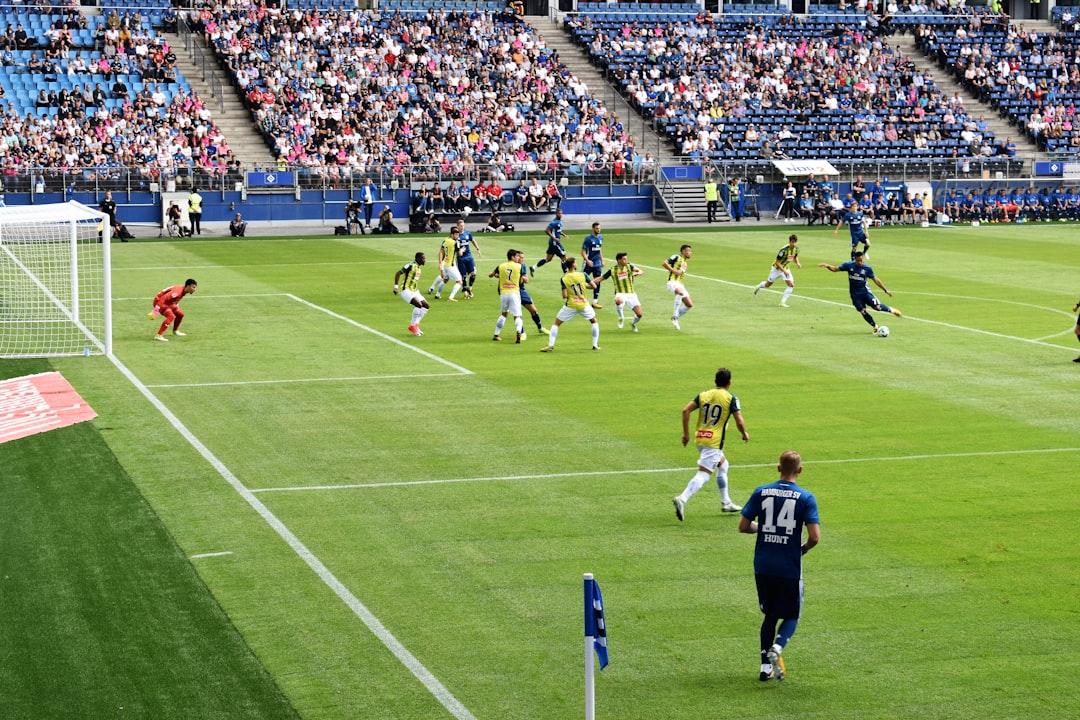
The echoes of the final whistle at the Uefa Men’s Under-19 Championship have faded, but for the Football Association of Wales (FAW), the real work is only just beginning. By successfully hosting one of Europe’s most prestigious youth tournaments, Wales has not only showcased its ability to stage major international events but has also unlocked a transformative opportunity for the domestic game. FAW Chief Executive Noel Mooney believes the legacy of this tournament will be felt for generations, primarily through the substantial upgrades to facilities that were required to meet the high standards of European football’s governing body.
Hosting the U19 Euros provided more than just a platform for the next generation of footballing talent; it acted as a catalyst for investment in regional infrastructure. For years, the FAW has sought to bridge the gap between grassroots potential and elite-level training environments. The tournament, according to Mooney, has accelerated these efforts, providing a blueprint for how Wales can continue to punch above its weight on the global stage.
The tournament requirements mandated a level of pitch quality, medical facilities, and training centers that were previously unavailable in several regions across Wales. By meeting these requirements, the FAW has ensured that these upgrades remain within the local communities, serving as a permanent fixture for clubs and youth academies long after the international teams have departed.
Key areas of development include:
- Enhanced Pitch Quality: Major investment into drainage and turf technology across multiple venues, ensuring year-round playability in the challenging Welsh climate.
- High-Performance Training Hubs: Modernized facilities now offer professional-grade gymnasiums, recovery suites, and tactical analysis rooms accessible to domestic youth players.
- Community Integration: By utilizing regional stadiums, the tournament has galvanized local interest, encouraging higher participation rates among children and teenagers eager to emulate the stars they saw on their doorstep.
"The facilities we have put in place are not just for the duration of the tournament," Mooney noted in recent discussions regarding the FAW's long-term vision. "They are assets that will serve our national teams and, more importantly, our local clubs for years to come. This is about building a sustainable ecosystem where young talent can thrive without having to leave the country to find adequate training grounds."
Since taking the helm at the FAW, Noel Mooney has been vocal about his desire to professionalize the Welsh game from the bottom up. His strategy relies heavily on decentralization—ensuring that the benefits of international football are not concentrated solely in the capital or within the top-tier professional clubs.
By bringing the U19 Euros to various parts of the nation, the FAW has effectively forced a standard-setting process that benefits smaller community clubs. The "massive" legacy Mooney refers to is not just physical; it is a cultural shift. It demonstrates to local councils and regional authorities that investment in football yields tangible social and economic returns, including tourism, youth engagement, and health benefits.
For the Welsh players who participated in the tournament, the experience was invaluable. Competing against the elite youth academies of Europe provides a reality check and a benchmark for progress. However, the greater victory lies in the fact that the domestic pathway is now more robust. With better infrastructure, the FAW can implement more rigorous training programs, scouting initiatives, and tactical education for coaches.
As the sport continues to evolve, Wales is positioning itself as a hub for talent development. The success of the U19 Euros serves as a proof-of-concept for future bids, including potential collaborations for senior-level tournaments. If the FAW can maintain the momentum generated by this event, the long-term impact on the Welsh national team could be profound, resulting in a deeper pool of talent and a more competitive professional structure.
Ultimately, the legacy of the U19s tournament is one of permanence. By upgrading the physical foundations of the sport, the FAW has secured a future where Welsh youth no longer need to look beyond their borders to find world-class development opportunities. The "massive" impact Mooney describes is the sound of a country investing in its own potential, turning a short-term tournament into a long-term sporting revolution.
Enjoying this article?
Get the daily AI briefing sent straight to your inbox.
Frequently Asked Questions
What was the primary benefit of Wales hosting the U19 Euros?
The primary benefit was the massive upgrade to football infrastructure, including high-quality pitches and training facilities that will benefit local and youth clubs for years to come.
Who is the Chief Executive of the Football Association of Wales (FAW)?
The Chief Executive of the FAW is Noel Mooney, who has been instrumental in the organization's focus on long-term facility development.
Comments
0Please sign in to leave a comment.
Related articles
Club Football Returns: How Global Giants Are Preparing for the New Season
With the international football calendar pausing, global giants like Real Madrid and Atlético de Madrid are ramping up their pre-season campaigns to prepare for a grueling year ahead.
Gasperini on Kone, Malen Futures: Roma's Transfer Window Heats Up
As Roma kicks off its preseason, manager Gian Piero Gasperini has addressed speculation surrounding the futures of Manu Kone and Donyell Malen, hinting at potential transfer developments.
Enzo Maresca Faces Crucial Decision on Claudio Echeverri’s Manchester City Future
Manchester City manager Enzo Maresca is preparing to evaluate Claudio Echeverri’s readiness for the Premier League, with a potential return to River Plate on the cards.