- VinFast's 'Rentapasada' program introduces a rent-to-own model for EV ride-hailing drivers in the Philippines.
- The initiative aims to lower the barrier to EV entry by bypassing traditional bank financing and high upfront costs.
- The strategy focuses on high-utilization sectors to maximize the economic benefits of EV fuel and maintenance savings.
- VinFast is leveraging the Philippine EVIDA law and its own V-Green charging network to support the transition.
- The program represents a shift from selling vehicles to fostering a 'Mobility-as-a-Service' (MaaS) entrepreneurship ecosystem.
VinFast’s “Rentapasada” Revolution: Redefining Mobility and Entrepreneurship in the Philippines
Beyond Car Sales: How the Vietnamese EV Giant is Turning Drivers into Business Owners to Conquer the Southeast Asian Market
Jul 19, 2026·0 views
Key Takeaways
In the congested, vibrant streets of Manila and Cebu, the roar of internal combustion engines has long been the soundtrack of daily commerce. However, a silent revolution is beginning to take hold, led not by a traditional Western automotive power, but by the Vietnamese challenger, VinFast. While most global automakers enter new territories with a singular focus on direct-to-consumer sales, VinFast is pivoting toward a more holistic, ecosystem-driven strategy. Their latest initiative, the "Rentapasada" program, is more than just a marketing gimmick; it is a calculated bet on the entrepreneurial spirit of the Filipino workforce.
Rentapasada—a portmanteau derived from "rent" and the Filipino term "pasada" (the act of driving for hire)—is a rent-to-own program specifically tailored for the burgeoning ride-hailing and logistics sectors. By lowering the barrier to entry for electric vehicle (EV) ownership, VinFast is addressing the two primary hurdles of green-tech adoption in emerging markets: high upfront costs and the lack of accessible financing for the unbanked or under-banked population.
The brilliance of the Rentapasada model lies in its simplicity and its alignment with local economic realities. In the Philippines, a significant portion of the workforce operates in the gig economy, particularly within ride-hailing platforms like Grab or JoyRide. For these drivers, purchasing a brand-new EV through traditional bank financing is often an insurmountable challenge due to strict credit requirements and high interest rates.
VinFast’s program bypasses these traditional gatekeepers. Under Rentapasada, drivers can lease a VinFast EV—such as the VF e34 or the compact VF 5—at competitive daily or monthly rates. Unlike a standard rental agreement, a portion of these payments contributes toward the eventual ownership of the vehicle. This transforms the driver from a mere laborer into a micro-entrepreneur.
This "mobility-as-a-service" (MaaS) approach serves a dual purpose. First, it ensures a steady stream of VinFast vehicles on the road, increasing brand visibility in a market currently dominated by Japanese and Chinese internal combustion engine (ICE) vehicles. Second, it creates a loyal base of brand advocates who are financially invested in the success of the EV ecosystem.
VinFast’s move into the Philippines is a critical piece of its broader Southeast Asian expansion strategy. The region is currently a primary battleground for EV supremacy, with Chinese giants like BYD and Great Wall Motor (GWM) aggressively expanding their footprints. However, VinFast holds a unique "home-field" advantage as a fellow ASEAN member, benefiting from regional trade agreements and a deep understanding of local consumer behavior.
By focusing on the ride-hailing sector, VinFast is targeting the highest-utilization segment of the market. A ride-hailing vehicle covers significantly more mileage than a private passenger car, meaning the fuel savings and lower maintenance costs of an EV are realized much faster. This makes the economic argument for EVs undeniable to the driver, even if the initial technology remains a novelty to the general public.
Furthermore, the Philippine government’s Electric Vehicle Industry Development Act (EVIDA) provides a supportive regulatory framework. EVIDA mandates EV quotas for corporate and government fleets and offers various incentives for EV users, such as exemptions from traffic volume reduction programs (number coding). VinFast is perfectly positioned to capitalize on these tailwinds by providing the hardware and the financial pathway to meet these mandates.
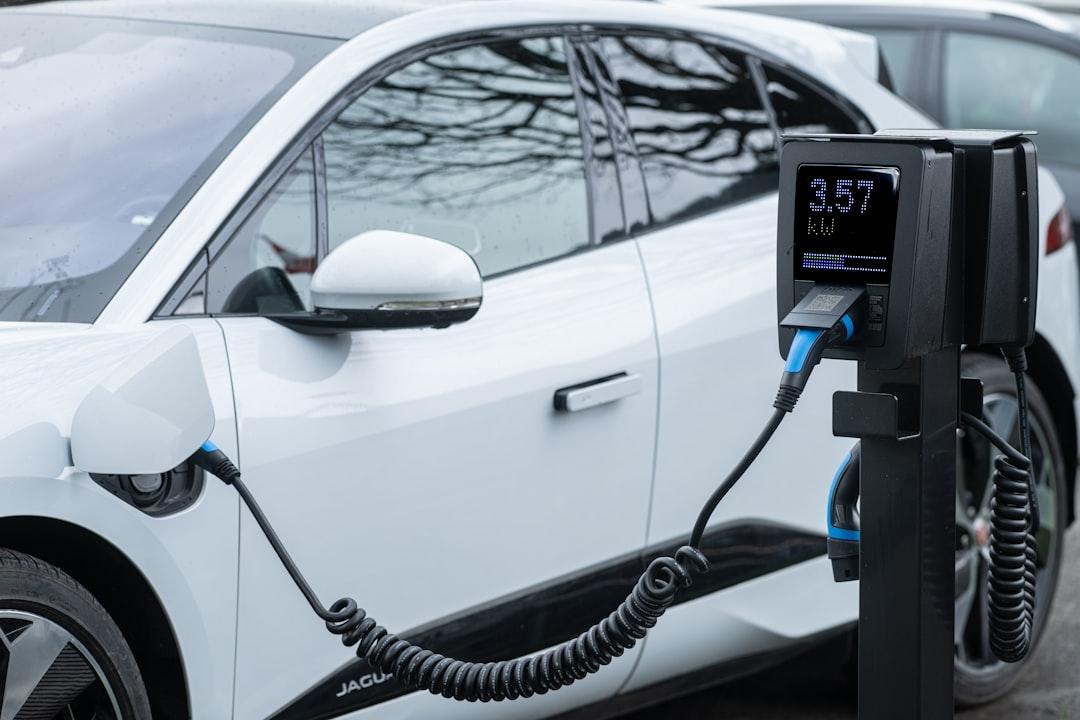
No discussion of EV adoption in the Philippines is complete without addressing the elephant in the room: charging infrastructure. The country’s charging network is still in its infancy, concentrated mostly in high-end commercial centers. VinFast is tackling this through a multi-pronged approach.
- V-Green Charging Network: VinFast’s parent company, Vingroup, has launched V-Green, a dedicated charging station operator intended to build out a comprehensive network across VinFast’s key markets.
- Battery Subscription Model: To further reduce costs, VinFast often employs a battery subscription model. By separating the cost of the battery from the vehicle price, the initial investment for a Rentapasada participant is slashed significantly. This also alleviates concerns regarding battery degradation, as VinFast remains responsible for the battery’s health.
- Home Charging Solutions: For drivers in the Rentapasada program, VinFast provides portable or wall-mounted charging units, allowing drivers to top up their vehicles overnight, leveraging lower residential electricity rates.
Beyond the environmental benefits of reducing tailpipe emissions in some of the world’s most polluted cities, the Rentapasada program has profound socio-economic implications. In the traditional Philippine transport model, many drivers operate under a "boundary" system, where they pay a fixed daily fee to a fleet owner and keep the remaining earnings. This often leaves drivers with razor-thin margins and no path to asset ownership.
Rentapasada flips this script. By providing a path to ownership, VinFast is facilitating wealth creation. As drivers eventually complete their lease-to-own terms, they gain a high-value asset that can serve as collateral for future business ventures or be sold on the secondary market. This shift from "renting for survival" to "investing for ownership" is a powerful narrative that resonates deeply in the Filipino cultural context.
If successful, the Rentapasada program could serve as a blueprint for VinFast’s entry into other emerging markets with similar economic profiles, such as Indonesia, Thailand, and even parts of Latin America or Africa. The strategy moves away from the "luxury tech" positioning often associated with EVs in the West and instead positions the EV as a tool for economic advancement.
As the global automotive industry shifts toward electrification, the winners will not just be those with the best battery technology, but those who can creatively solve the problem of accessibility. In the Philippines, VinFast isn't just selling cars; they are selling a future where green technology and economic opportunity are inextricably linked. For the entrepreneurs of Manila’s streets, the road to the future is electric, and for many, it will be paved by a VinFast.
Enjoying this article?
Get the daily AI briefing sent straight to your inbox.
Frequently Asked Questions
What is the VinFast Rentapasada program?
Rentapasada is a rent-to-own initiative by VinFast in the Philippines that allows drivers to lease electric vehicles for ride-hailing purposes, with a portion of the payments going toward eventual ownership of the car.
Why is VinFast targeting the ride-hailing sector in the Philippines?
Ride-hailing vehicles have high daily mileage, making the lower operational and fuel costs of EVs more financially attractive and allowing the environmental benefits to be realized faster than with private vehicles.
How does VinFast address the lack of charging stations in the Philippines?
VinFast utilizes its V-Green charging network, offers battery subscription models to lower costs, and provides home charging solutions to ensure drivers have reliable access to power.
Comments
0Please sign in to leave a comment.
Related articles
Tesla Driver Asleep at Wheel in Crash Involving California Highway Patrol
Federal regulators and local authorities are investigating a serious Tesla collision in Fairfield, California, after a driver admitted to sleeping with FSD engaged.

Volkswagen Expands ID. Cross Lineup with New 37 kWh Battery Option
Volkswagen has introduced a new 37 kWh battery option for the ID. Cross, aiming to lower the entry price point for city-focused electric vehicle buyers.

Tesla’s Next-Gen Roadster: Engineering Marvel or Marketing Hyperbole?
Is the new Tesla Roadster a legitimate leap in automotive engineering, or are its 'flying' capabilities merely a marketing stunt? We dive into the physics.