- A free-kick initially awarded to France was overturned by VAR following a collision involving Ousmane Dembele and Fabian Ruiz.
- The reversal was based on the determination that the contact did not meet the standard for a foul.
- The incident highlights the ongoing debate between technological accuracy and the natural flow of the game.
- This decision significantly impacted the strategic momentum of both teams during the semi-final match.
VAR Intervention in France vs. Spain Semi-Final: The Ruling That Changed Everything
A controversial reversal by official Ivan Barton during the high-stakes Dallas semi-final has sparked intense debate among football fans and analysts.
Jul 15, 2026·0 views
Key Takeaways
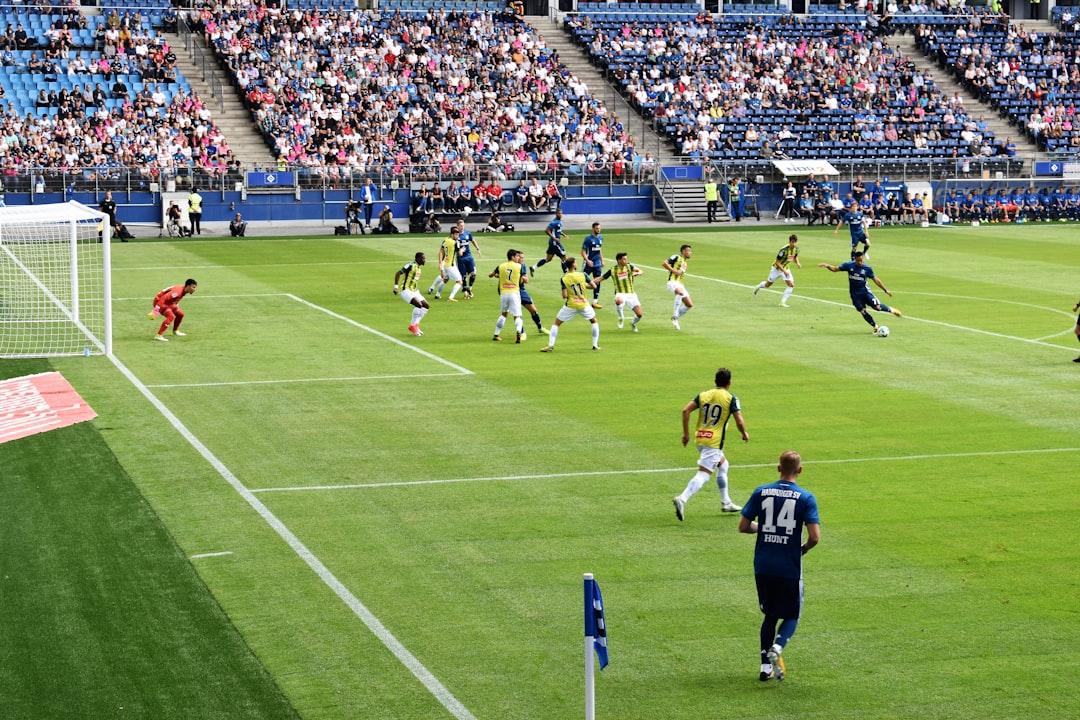
The atmosphere in the Dallas stadium was electric, reaching a fever pitch as France and Spain locked horns in a high-stakes semi-final that promised tactical brilliance and physical intensity. In the heat of the second half, a collision between French winger Ousmane Dembele and Spanish midfielder Fabian Ruiz sent the crowd into a state of temporary confusion. Initially, the match official, Ivan Barton, signaled for a free-kick in favor of France, a call that appeared to give Didier Deschamps’ side a golden opportunity to break the deadlock from a dangerous position.
However, in the era of modern football, no major decision goes unscrutinized. Within seconds, the Video Assistant Referee (VAR) intervened, prompting a lengthy review process that would ultimately change the trajectory of the match. The reversal of the free-kick decision became the primary talking point of the evening, drawing sharp focus onto the role of technology in officiating the world’s most popular sport.
To understand why the decision was overturned, one must look at the specific nature of the contact between Dembele and Ruiz. The initial assessment by Barton on the pitch suggested a foul committed by the Spanish defender. Yet, upon closer inspection via the VAR monitor, it became evident that the contact was significantly more nuanced than the live-speed perspective suggested.
Modern refereeing protocols require officials to look for 'clear and obvious' errors. In this instance, the VAR team determined that the contact between the two players did not meet the threshold for a foul. By reversing the decision, Barton effectively nullified what could have been a match-defining set-piece for France. This type of intervention highlights the growing tension between the fluidity of live football and the rigid, often clinical nature of digital review systems.
For France, the reversal was a blow to their tactical momentum. Didier Deschamps had clearly instructed his team to exploit set-piece opportunities, and the initial whistle had validated that strategy. When the decision was pulled back, the psychological shift was palpable. Players from both sides stood in limbo, waiting for the verdict, which naturally disrupted the tempo of the game.
For Spain, the reversal served as a reprieve. Avoiding a dangerous free-kick just outside the box allowed them to reset their defensive structure and maintain their composure under pressure. This incident serves as a perfect case study for how VAR continues to reshape the tactical landscape of international football. It is no longer just about the players on the grass; it is about the interplay between human judgment and the precision of camera angles.
This incident in Dallas is yet another chapter in the ongoing debate regarding the use of technology in sports. Supporters of the current system argue that accuracy is paramount and that the removal of 'wrong' decisions is essential for the integrity of the game. Critics, however, maintain that constant interruptions ruin the spectacle and that football is a game of human error, which should ideally be left to the referee on the field.
Key takeaways from the incident include:
- The Threshold for Intervention: The definition of 'clear and obvious' remains subjective, leading to inconsistent applications across different matches.
- Player Frustration: The delay between the initial call and the final decision often leaves players in a state of uncertainty, affecting their focus.
- Fan Experience: In-stadium audiences are often left in the dark during the review process, which can lead to frustration and confusion regarding the final ruling.
As football continues to integrate advanced technology, the challenge for governing bodies will be to find a balance that preserves the excitement of the game while ensuring fairness. While the reversal of the France vs. Spain free-kick was technically 'correct' by the book, it served as a stark reminder that technology can never fully replace the drama inherent in high-stakes competition.
Enjoying this article?
Get the daily AI briefing sent straight to your inbox.
Frequently Asked Questions
Was the France vs. Spain free-kick correctly overruled?
The VAR intervention was deemed correct under the 'clear and obvious error' protocol, as the contact between the players was found insufficient for a foul.
Who was the referee for the France vs. Spain semi-final?
The match official in charge of the game was Ivan Barton.
Comments
0Please sign in to leave a comment.
Related articles
Rodri Leads Spain to 2026 World Cup Final After Dominant Win Over France
Spain secured their spot in the 2026 FIFA World Cup final with a clinical 2-0 victory over France, led by a commanding performance from captain Rodri.
Deschamps Questions Officiating After France’s World Cup Heartbreak Against Spain
Didier Deschamps expressed deep dissatisfaction with the officiating in France's 2-0 loss to Spain, sparking a debate over the standard of refereeing at the World Cup.
Wayne Rooney Crowns Jude Bellingham as Top Performer of the World Cup
Former England captain Wayne Rooney has publicly declared Jude Bellingham the standout player of the tournament, citing his maturity and influence.