- The US Army is developing the M1E3 Abrams, a next-gen tank featuring hybrid-electric propulsion.
- Hybrid technology enables 'silent watch' capabilities and provides power for high-energy defensive lasers.
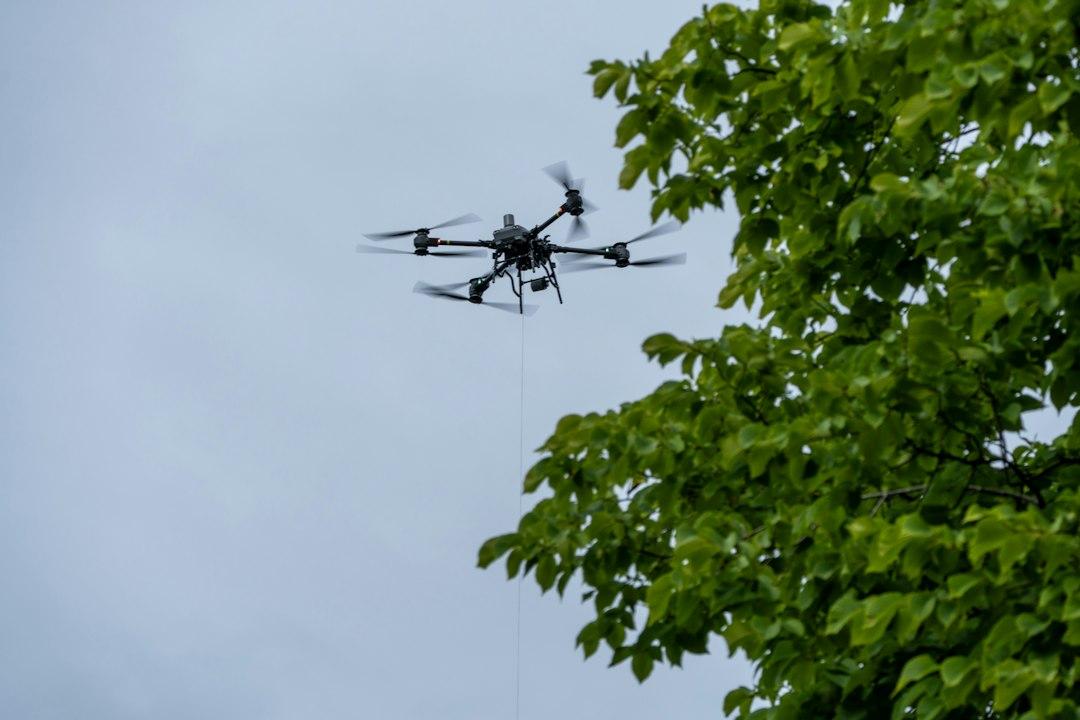
- The new platform focuses on reduced weight and modularity to better counter modern drone threats.
- The project aims to modernize the Abrams for 21st-century asymmetric warfare.
US Army Unveils M1E3 Abrams: The Hybrid-Electric Future of Tank Warfare
The next-generation Abrams tank integrates hybrid-electric propulsion and advanced defense systems to dominate the modern battlefield.
Jul 6, 2026·0 views

Key Takeaways
The landscape of modern warfare is shifting beneath our feet, moving away from the static, heavy-metal slugfests of the 20th century toward a more agile, tech-forward paradigm. At the center of this transition is the US Army’s ambitious roadmap for the M1E3 Abrams. By pivoting to hybrid-electric propulsion systems, the military is signaling that the future of the main battle tank is not just about raw armor and firepower, but about energy efficiency, stealth, and advanced power management.
For decades, the Abrams tank has been the undisputed heavyweight champion of the US arsenal. However, the current iterations—burdened by immense weight and high fuel consumption—are increasingly vulnerable to the rapid proliferation of low-cost, high-lethality drone swarms. The M1E3 program is the Army’s answer to these 21st-century threats, combining the legendary durability of the Abrams platform with the cutting-edge capabilities of modern electrification.
The decision to integrate hybrid-electric technology into a 70-ton war machine is not merely an environmental consideration; it is a tactical necessity. Modern battlefield sensors and communication arrays require a constant, reliable stream of power. Traditional diesel engines, while powerful, often struggle to provide the electrical overhead required for high-energy weapons and advanced electronic warfare suites without idling and burning through precious fuel.
By incorporating a hybrid-electric drive, the M1E3 can achieve several critical advantages:
- Silent Watch Capability: The ability to operate sensors and communications systems on battery power alone while the primary engine is shut down. This significantly reduces the tank's thermal and acoustic signature, making it a ghost on the battlefield.
- Increased Range and Efficiency: Hybrid systems can optimize fuel consumption during transit, allowing for longer deployments and reduced reliance on vulnerable fuel supply chains.
- Power for Directed Energy Weapons: Advanced laser-based defense systems, designed to intercept incoming drones and projectiles, require massive, instantaneous bursts of energy. A hybrid powertrain acts as a massive battery, providing the surge capacity needed to power these systems without taxing the drivetrain.
The rise of cheap, off-the-shelf drone technology has changed the cost-benefit analysis of armored warfare. In recent conflicts, we have seen massive, multi-million dollar tanks disabled by inexpensive loitering munitions. The M1E3 Abrams is being designed specifically to reverse this dynamic.
Beyond its hybrid engine, the M1E3 will feature a more modular architecture, allowing for the rapid integration of Active Protection Systems (APS). These systems are designed to detect, track, and neutralize incoming threats, including FPV (First-Person View) drones and anti-tank guided missiles, before they ever make contact with the tank’s exterior armor.
One of the most persistent criticisms of the Abrams platform has been its sheer weight. As armor packages have grown thicker to combat advanced kinetic penetrators, the tank has become increasingly difficult to transport and maneuver in restrictive terrain.
The M1E3 program specifically targets a reduction in vehicle weight. By utilizing advanced composite materials and optimizing the chassis design, the Army aims to create a tank that is more deployable, easier to maintain, and more capable of crossing damaged infrastructure or soft terrain. This weight reduction, coupled with the high-torque characteristics of electric motors, ensures that the next-gen Abrams will maintain, if not exceed, the mobility of its predecessors.
The transition to the M1E3 is a clear indicator that the US military is embracing the 'electrification of the battlefield.' As software-defined systems and AI-driven targeting become standard, the tank is evolving from a simple mobile cannon into a sophisticated, interconnected node in a larger combat network.
While the M1E3 is still in the development phase, the shift represents a fundamental rethinking of how we protect our forces. By prioritizing energy density and versatility, the US Army is ensuring that the iconic Abrams remains a dominant force in an era defined by rapid technological change and asymmetric threats.
Enjoying this article?
Get the daily AI briefing sent straight to your inbox.
Frequently Asked Questions
What is the primary benefit of the M1E3 Abrams hybrid engine?
The hybrid engine allows for silent operation (silent watch), improved fuel efficiency, and the necessary power surge to operate advanced laser-based drone defense systems.
Why is the US Army redesigning the Abrams tank?
The redesign aims to address the current tank's heavy weight and fuel consumption while enhancing its ability to survive against modern, low-cost drone threats.
Comments
0Please sign in to leave a comment.
Related articles
Canadian Buyers Delay EV Purchases While Awaiting Chinese Market Entry
Canadian EV shoppers are increasingly holding off on purchases, signaling a major shift in consumer preference toward Chinese automotive technology.

Montréal-Trudeau Airport Expands EV Charging Network to 168 Units
Montréal-Trudeau International Airport has officially activated 120 electric vehicle chargers, with plans to expand the network to 168 total units shortly.

LEGO’s Electric Revolution: Building the Future of Sustainable Engineering
LEGO has quietly built a diverse collection of electric and hybrid-themed sets. We explore the best kits that celebrate the transition to sustainable energy.