- Toronto successfully concluded its hosting duties for the FIFA World Cup 2026 with a high-profile match between Portugal and Croatia.
- Cristiano Ronaldo remained a central figure of interest during the match, drawing massive crowd attention.
- The tournament has had a significant positive impact on Toronto’s infrastructure and local economy.
- The event serves as a catalyst for the long-term growth of soccer in Canada.
Toronto Bids Farewell to FIFA World Cup 2026 with Thrilling Portugal-Croatia Clash
As Toronto concludes its hosting duties for the 2026 World Cup, a high-stakes match between football giants Portugal and Croatia marks a historic final chapter for the city.
Jul 3, 2026·0 views
Key Takeaways
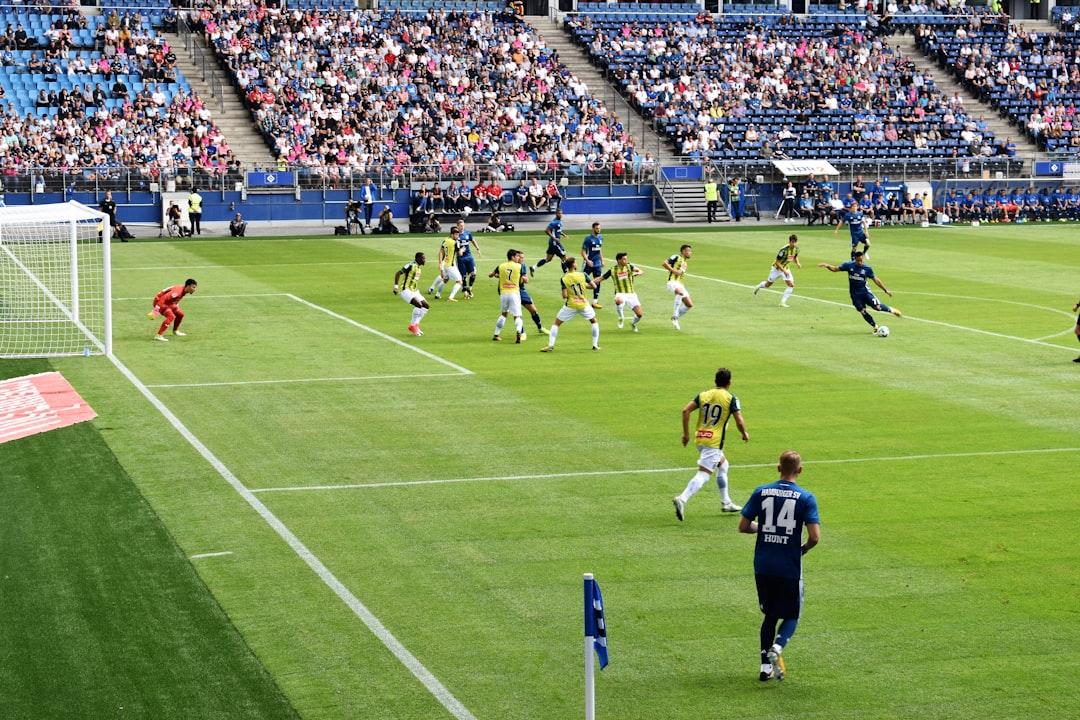
The curtains have officially drawn on Toronto’s tenure as a host city for the FIFA World Cup 2026. In a fitting end to a tournament that has captivated the city, BMO Field served as the stage for a high-stakes encounter between European football titans Portugal and Croatia. The match, which drew thousands of passionate fans to the waterfront, solidified Toronto’s reputation as a premier destination for global sporting events.
For weeks, the city has been a hub of international energy, with supporters from across the globe descending upon Ontario. The final match in the city was not merely a game; it was a celebration of football culture, strategy, and the enduring legacy of some of the sport's most recognizable figures.
All eyes were firmly fixed on the pitch as Cristiano Ronaldo took to the field for what many fans viewed as a potential farewell to the North American stage. Despite the passage of time and the shift in his professional landscape, the Portuguese captain remains the focal point of every match he plays. His presence in Toronto sparked a frenzy among spectators, with chants echoing throughout the stadium from the opening whistle.
Portugal’s tactical approach throughout the tournament has been one of controlled aggression, and this final Toronto fixture was no different. The team displayed a cohesive blend of veteran leadership and emerging talent. For Croatia, the match presented a chance to prove their resilience against one of Europe’s most storied squads. Known for their tactical discipline and never-say-die attitude, the Croatian side pushed back, creating a balanced and tense environment that kept the crowd on the edge of their seats.
Toronto’s involvement in the 2026 World Cup was a significant test for the city’s infrastructure and its ability to host top-tier FIFA events. By all accounts, the city succeeded. The atmosphere at BMO Field throughout the tournament has been electric, showcasing the diversity of a city that truly embraces the global nature of the "beautiful game."
- Infrastructure Excellence: Toronto’s transit and hospitality sectors managed the influx of international tourists with minimal disruption.
- Community Engagement: The fan zones and local watch parties transformed the downtown core into a festival of football.
- Economic Impact: Local businesses, from restaurants to hotels, reported record-breaking activity during the tournament window.
From a technical standpoint, the Portugal-Croatia match highlighted the evolution of modern football. Both teams utilized high-pressing strategies that forced turnovers in the midfield, leading to rapid counter-attacking opportunities. The Croatian midfield, anchored by seasoned veterans, demonstrated superior ball retention, while Portugal relied on the explosive pace of their wingers to stretch the pitch.
As the final whistle blew, the sentiment among the crowd was one of gratitude. While the tournament continues elsewhere across North America, Toronto’s contribution has been marked by high-quality play and a passionate atmosphere that will be remembered long after the trophy is lifted in the final.
With the World Cup matches in Toronto now concluded, the focus shifts to the long-term impact on Canadian soccer. The exposure gained by hosting these matches is expected to boost youth participation, improve local facility standards, and solidify the sport’s place as a primary pillar of Canadian athletics. As the world moves forward to the knockout stages, Toronto can look back on its contribution with pride, having provided a world-class stage for a world-class sport.
Enjoying this article?
Get the daily AI briefing sent straight to your inbox.
Frequently Asked Questions
Did Toronto host more than one World Cup 2026 match?
Yes, Toronto served as a host city for multiple matches during the group stage of the 2026 FIFA World Cup at BMO Field.
Who played in the final match held in Toronto for the 2026 World Cup?
The final match held in Toronto was between Portugal and Croatia.
Comments
0Please sign in to leave a comment.
Related articles
Sarina Wiegman Extends England Tenure Through 2029 Women's EURO
Sarina Wiegman has committed her future to the England women's national team, signing a contract extension that will see her lead the Lionesses through the 2029 European Championship.
Sarina Wiegman Commits to England: Lionesses Boss Signs Extension to 2029
Sarina Wiegman has signed a major contract extension with the England women's team, ensuring she remains at the helm through the 2029 Euro cycle.
Liverpool Loan Watch: Key Updates on Figueroa and Emerging Academy Stars
From Figueroa’s return to the pitch to the rise of rising stars like Koumas and Nyoni, we track Liverpool’s loan army and academy progress.