- Thomas Tuchel is tasked with transforming England from a talented squad into a cohesive, trophy-winning unit.
- Tactical evolution will focus on high-pressing and positional fluidity to maximize attacking talent.
- Addressing the psychological pressure of playing on home soil is critical for Euro 2028.
- Strategic squad recalls are necessary to increase tactical versatility and defensive depth.
Thomas Tuchel’s England: Crafting a Winning Blueprint for Euro 2028
As Thomas Tuchel takes the reins, England eyes the 2028 European Championship on home soil with a mandate for tactical evolution and psychological resilience.
Jul 17, 2026·0 views
Key Takeaways
The appointment of Thomas Tuchel as the head coach of the England men’s national team marks a seismic shift for the Three Lions. As the nation looks toward the 2028 European Championship, hosted on home soil, the pressure to deliver a major trophy has never been higher. While England possesses a squad overflowing with world-class talent, the transition under Tuchel requires more than just a tactical shift—it demands a fundamental psychological overhaul.
For years, England has been characterized by its technical proficiency and individual brilliance, yet they have repeatedly fallen short at the final hurdles. Tuchel, known for his rigorous tactical discipline and ability to organize elite squads quickly, faces the daunting task of turning a collection of superstars into a cohesive, trophy-winning unit.
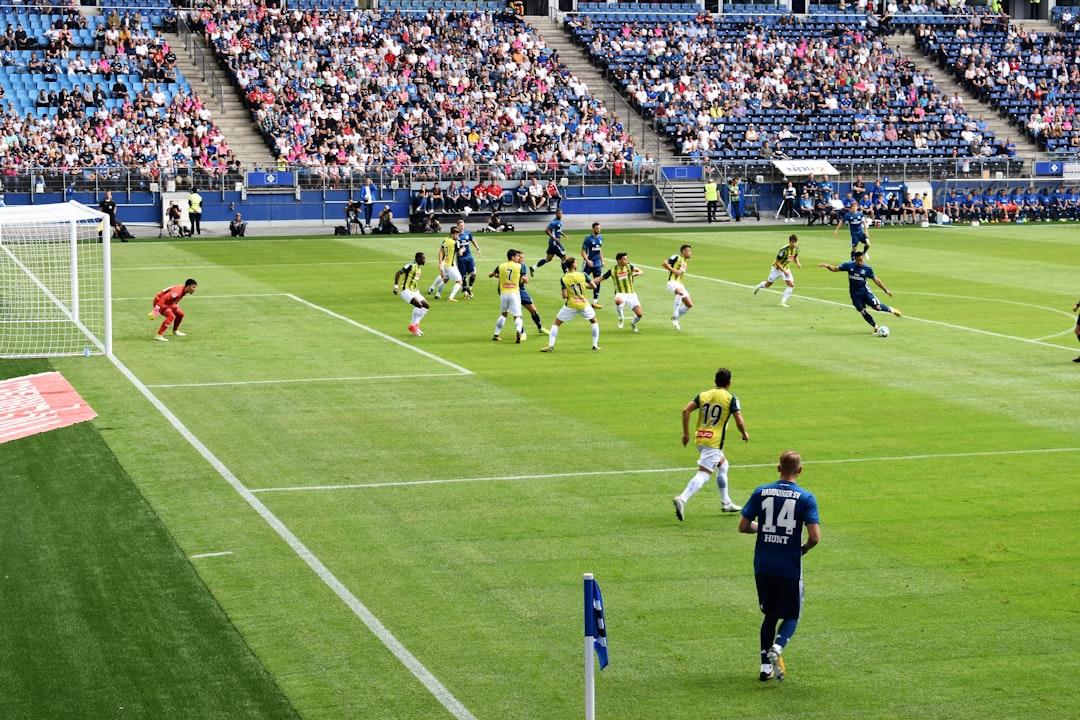
Under previous regimes, England often relied on individual moments of magic rather than a sustained, dominant system. Tuchel is expected to implement a more fluid, high-pressing structure that emphasizes positional play. The primary challenge will be integrating the wealth of attacking talent—such as Jude Bellingham, Phil Foden, and Bukayo Saka—into a system that remains defensively sound without stifling their creative freedom.
Tuchel’s tenure at Chelsea demonstrated his ability to build a defensive fortress while maintaining offensive intensity. For England, this might mean moving away from the cautious, deep-block approach that characterized the Gareth Southgate era in high-stakes matches. The goal is to establish a dominant identity that forces opponents to adapt to England, rather than the other way around.
To build a squad capable of winning on home soil in 2028, Tuchel must be willing to look beyond the current favorites. There are several players currently on the periphery who could provide the grit and tactical versatility needed for his system:
- The Midfield Anchor: Recalling players with elite ball-retention skills who can operate under high pressure is essential. Tuchel needs a 'pivot' player capable of dictating the tempo, a role that has been inconsistently filled in recent years.
- Defensive Versatility: With the evolution of modern fullbacks, Tuchel will likely look to bring back defensive specialists who can tuck in to form a back three or push high to support the attack, offering tactical flexibility during matches.
- The Clinical Finisher: While Harry Kane remains the focal point, the squad requires a secondary striking option capable of playing in a high-press system, someone who can act as a nuisance for opposition center-backs even when not scoring.
- Under-21 Integration: A systematic recall of high-performing U-21 talent will be vital to ensure depth and hunger within the squad.
- Set-Piece Specialists: In tournament football, set pieces are often the difference. Recalling players with elite dead-ball delivery will be a priority.
- The High-Intensity Presser: A forward who prioritizes defensive work-rate will be a non-negotiable for a Tuchel-led team, ensuring the team can sustain pressure for 90 minutes.
Perhaps the most significant hurdle for England is not tactical, but psychological. The weight of expectation—especially with the 2028 tournament being played in England—can be suffocating. Tuchel has a reputation for being a demanding coach who expects absolute mental toughness. He must foster a culture where players view high-pressure moments as opportunities rather than threats.
By creating a meritocratic environment where every player feels they must fight for their place, Tuchel can dismantle the complacency that has occasionally plagued the squad. The objective is to build a team that is 'tournament-hardened'—a squad that can handle the emotional swings of a penalty shootout or a late-game deficit with clinical, detached focus.
Euro 2028 represents the ultimate test for the English football system. With the right tactical tweaks, a refreshed squad, and a new psychological approach, the Three Lions have every chance of lifting the trophy at Wembley. Thomas Tuchel’s arrival provides the professional rigor needed to bridge the gap between 'nearly men' and champions. The journey to 2028 starts now, and the mandate is clear: evolve or risk another cycle of heartbreak.
Enjoying this article?
Get the daily AI briefing sent straight to your inbox.
Frequently Asked Questions
Will Thomas Tuchel lead England at Euro 2028?
Yes, Thomas Tuchel has been appointed to lead England, with the primary objective of preparing the team for upcoming major tournaments, including Euro 2028.
What is the biggest challenge for England under Tuchel?
The primary challenge is overcoming the psychological barrier of tournament football while implementing a more aggressive, tactically disciplined system.
Comments
0Please sign in to leave a comment.
Related articles
Real Madrid Eyes Record-Breaking Move for Michael Olise
Real Madrid is weighing a world-record transfer bid for Michael Olise, signaling a new era of aggressive recruitment for the Spanish giants.
The World Cup's Third-Place Play-off: Is It Time to Retire the Bronze Final?
Often viewed as an anticlimactic hurdle, the third-place play-off faces scrutiny for its lack of competitive stakes and physical toll on players.
AS Roma Accelerate Crysencio Summerville Pursuit to Bolster Attacking Options
AS Roma is moving quickly to secure Crysencio Summerville from Leeds United, aiming to finalize the transfer before the week concludes to address critical gaps in their attack.