- VAR was intended to correct clear and obvious errors but has led to complaints about lost game momentum.
- The 'review booth' effect creates long pauses that disrupt the spectator experience and player rhythm.
- Officiating bodies are under pressure to balance the need for accuracy with the desire for a fluid, fast-paced game.
- Future tournament protocols are expected to focus on faster decision-making and better transparency for fans.
The VAR Dilemma: Is Technology Killing the Rhythm of the Beautiful Game?
As the 2026 World Cup approaches, debates intensify over whether Video Assistant Referee (VAR) systems are enhancing fairness or stalling the flow of professional soccer.
Jul 14, 2026·0 views
Key Takeaways
For decades, the human element of soccer—the split-second decisions of referees and the inevitable errors that followed—was considered part of the game's intrinsic charm. However, the introduction of Video Assistant Referee (VAR) technology has fundamentally altered the landscape of the sport. As we look toward the 2026 World Cup, the conversation is no longer about whether technology belongs on the pitch, but rather how much control it should exert over the game’s natural rhythm.
At its core, VAR was designed to eliminate the 'clear and obvious error.' It was intended to act as a safety net for high-stakes moments: penalties, red cards, and goal-scoring sequences. Yet, the reality on the ground has often felt different. Fans, pundits, and players alike frequently find themselves waiting in agonizing silence while officials communicate with a remote booth, transforming high-octane matches into clinical review sessions.
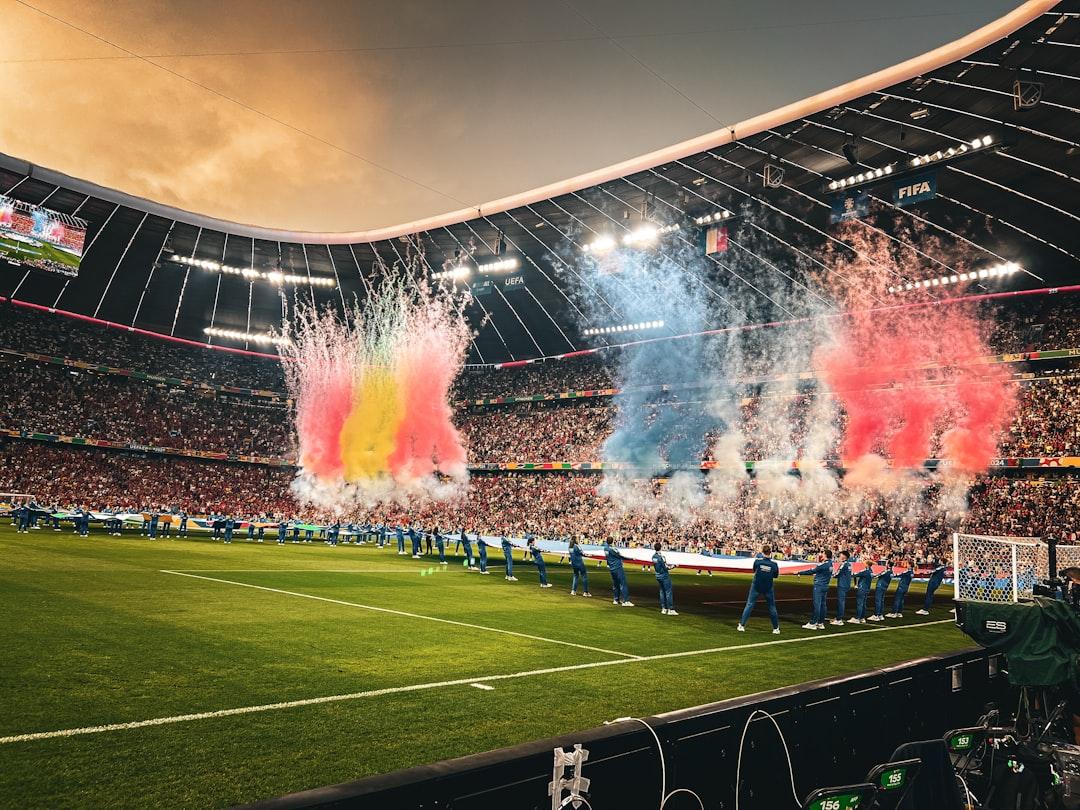
Critics argue that the current implementation of VAR has turned the pitch into a review booth. When a game is paused for several minutes to scrutinize a marginal offside call or a faint touch in the penalty area, the emotional momentum of the match dissipates. This disruption is not just an annoyance for spectators; it changes how players approach the game.
- Loss of Momentum: The constant threat of a retrospective review makes teams more hesitant to celebrate goals, often leading to a lackluster atmosphere in stadiums.
- Subjectivity vs. Objectivity: Despite the presence of high-definition cameras, many decisions remain subjective, leading to confusion when two similar fouls result in two different outcomes.
- The Fan Experience: The disconnect between the action on the field and the final decision leaves supporters in the stands feeling like passive observers rather than active participants.
Proponents of VAR suggest that the technology is still in its relative infancy. They point to the reduction of egregious blunders that previously decided the outcomes of major tournaments. The goal is to reach a state of 'invisible officiating,' where the technology functions seamlessly in the background, only intervening when absolutely necessary.
However, the pressure on officials to be perfect has arguably increased. In an age of social media, where every camera angle is scrutinized by millions, referees are under more scrutiny than ever before. This pressure can lead to over-cautiousness, where officials rely on the screen rather than their own professional intuition, effectively deferring their authority to a digital interface.
As the sports world prepares for the 2026 World Cup, the governing bodies are likely to refine the VAR protocols. Potential improvements include stricter time limits on reviews and better communication between the VAR room and the stadium broadcast. The objective remains clear: to ensure that the sport remains fair without losing the raw, unpredictable passion that has defined it for over a century.
Technology in sports is an inevitability. The challenge for the next generation of football governance is to ensure that the tools meant to support the game do not end up overshadowing the players who make it great. Whether VAR evolves into a subtle aid or remains a source of constant friction will depend on how the rules are adapted to prioritize the game's flow alongside its integrity.
Ultimately, the debate over VAR is a reflection of a broader tension in modern society: the desire for technological perfection versus the acceptance of human fallibility. Soccer, as a game of mistakes and brilliance, sits at the center of this cultural tug-of-war.
Enjoying this article?
Get the daily AI briefing sent straight to your inbox.
Frequently Asked Questions
What is the primary purpose of VAR in soccer?
VAR is designed to assist referees in correcting 'clear and obvious errors' related to goals, penalties, direct red cards, and mistaken identity.
Why do fans dislike the current VAR system?
Many fans feel that long review times disrupt the natural flow of the game and dampen the excitement of goal celebrations.
Will VAR be used in the 2026 World Cup?
Yes, VAR is expected to be a staple of the 2026 World Cup, though likely with refined protocols to address current criticisms.
Comments
0Please sign in to leave a comment.
Related articles
Luka Vušković: The £50m Prodigy Set to Redefine Brighton’s Defense
Brighton & Hove Albion have secured one of Europe's most promising talents in Luka Vušković, a defender already drawing comparisons to the game's greatest icons.
Renan Lodi Claims Iconic No. 6 Jersey at Atlético: A Strategic Shift
Renan Lodi has officially transitioned to the iconic No. 6 shirt at Atlético, marking a significant personal milestone for the star defender.
Inter Milan Eye Defensive Reinforcements as Denzel Dumfries Future Remains Uncertain
Inter Milan are intensifying their search for a new wing-back as Denzel Dumfries' contract situation leaves the door open for a potential transfer exit.