- Argentina demonstrated elite psychological resilience by overcoming a deficit against England in the final minutes.
- The team's success is attributed to a combination of tactical fluidity and high-intensity late-game conditioning.
- This 'refuse to fail' culture has created a psychological advantage, forcing opponents to remain under pressure until the final whistle.
- Maintaining this high-energy style will be critical for Argentina's performance in the upcoming knockout stages.
The Untouchables: Inside Argentina's Remarkable Comeback Culture
How La Albiceleste has cultivated a 'refuse to lose' mentality that continues to define their dominance on the global stage.
Jul 16, 2026·0 views
Key Takeaways
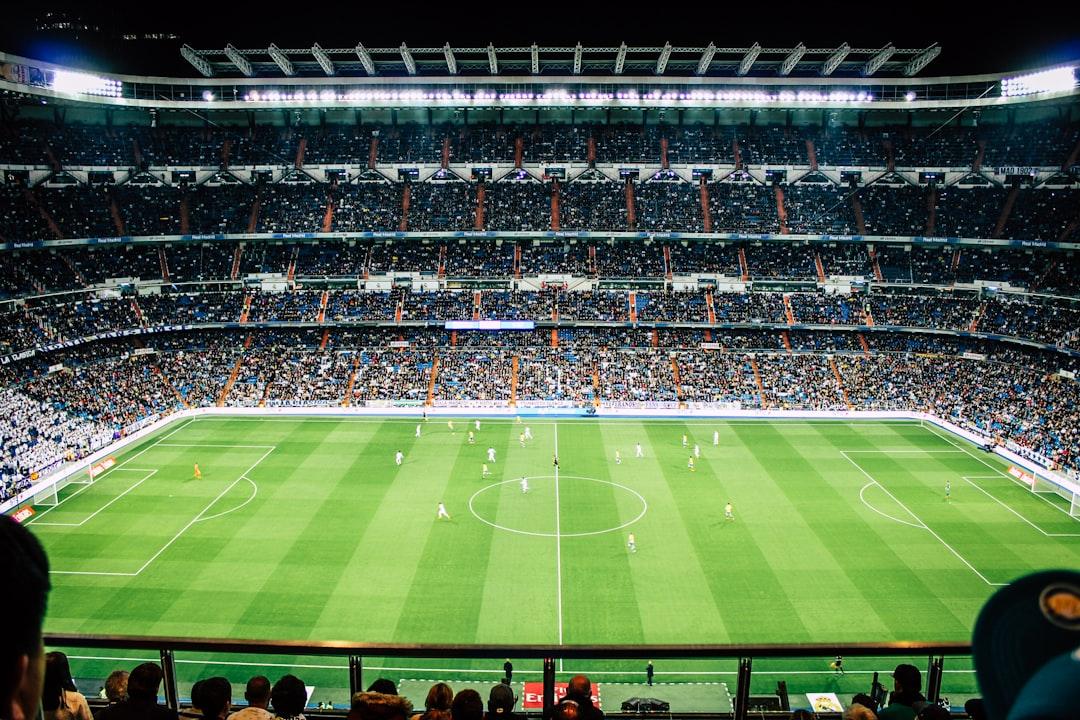
In the high-stakes theater of international football, few teams possess the psychological fortitude of Argentina. Their recent performance, characterized by a stunning late-game turnaround, serves as a masterclass in persistence. Trailing England with only minutes remaining, the squad managed to claw back a 2-1 victory, securing a critical path forward in their World Cup campaign. For fans and analysts alike, this was not merely a stroke of luck; it was a testament to a structural and mental framework that has become the hallmark of the current Argentine setup.
The match against England was a microcosm of Argentina’s broader philosophy. Down a goal and facing the crushing pressure of an impending exit, the team exhibited a level of composure rarely seen at the elite level. The goals, arriving in the 85th and 92nd minutes, underscore a tactical shift that occurs when the clock begins to wind down. While many teams suffer from fatigue or tactical fragmentation in the dying moments, Argentina appears to hit a second wind.
This resilience is rooted in several key factors:
- Tactical Fluidity: The ability to transition from a controlled possession game to an aggressive, high-pressing offensive formation in the final ten minutes.
- Psychological Immunity: A collective lack of panic, likely fostered by a leadership core that has experienced the highest highs and lowest lows of international competition.
- Depth of Bench: The impact of late-game substitutions, which provided fresh legs at the exact moment the English defense began to show signs of structural wear.
Critics often point to individual brilliance when discussing Argentina, but the current iteration of the team relies heavily on a collective 'refuse to fail' ethos. This mindset is not an abstract concept; it is an engineered culture. Under the guidance of their current technical staff, the squad has been drilled to maintain defensive shape even while chasing a deficit. This discipline ensures that they do not concede a second goal while trying to force an equalizer, keeping them within striking distance until the final whistle.
While the raw data shows a high volume of late-game goals, the qualitative side of this phenomenon is far more interesting. The team’s efficiency in the final third during the closing minutes of a match suggests a specific conditioning regimen designed for 'clutch' performance. By analyzing the distance covered by players in the final 15 minutes of play, it becomes clear that Argentina is outworking their opponents exactly when the game is meant to be decided.
This trend has not gone unnoticed by their upcoming opponents. Teams now realize that a lead against Argentina is fragile, and the psychological burden of holding that lead against a team that never stops pressing is immense. This creates a feedback loop: opponents become tentative, creating more space for Argentina to exploit, which in turn leads to the late-game heroics we have come to expect.
As the tournament progresses, the challenge for Argentina will be maintaining this intensity. While the late-game heroics are thrilling for spectators, they are also physically and mentally draining. The coaching staff will need to balance this 'all-in' approach with tactical rotation to ensure that the squad remains sharp for the knockout stages.
However, for now, the narrative is clear: Argentina is a team that operates on a different frequency. They have successfully turned the 'dying moments' of a match into their primary hunting ground. As they look ahead to their next fixtures, the rest of the world has been put on notice. If you are leading Argentina, the game is not over until the referee blows the final whistle. In fact, that is precisely when the real game begins.
Enjoying this article?
Get the daily AI briefing sent straight to your inbox.
Frequently Asked Questions
How does Argentina consistently score in the final minutes?
Argentina utilizes a combination of superior late-game conditioning, tactical shifts that favor high-pressing, and a psychological culture that prevents panic when trailing.
Is Argentina's late-game success sustainable?
While effective, the high-intensity approach requires significant physical output, meaning tactical rotation will be key for the team to sustain this level of performance through the tournament.
Comments
0Please sign in to leave a comment.
Related articles
Real Madrid Finalizing Key Contract Renewals to Secure Future Core
Real Madrid is currently finalizing paperwork for major contract renewals, ensuring that their brightest young stars remain at the Santiago Bernabéu.
Kylian Mbappé Claims Onze d'Or Trophy Ahead of Ballon d'Or Ceremony
As the football world turns its eyes toward the Ballon d'Or, Kylian Mbappé has been honored with the Onze d'Or, underscoring a dominant year on the pitch.
Premier League Injury Crisis: Updates on Erling Haaland and Antoine Semenyo
Manchester City's Erling Haaland and Bournemouth's Antoine Semenyo have emerged as injury concerns, casting doubt over their availability for upcoming fixtures.