- The 2026 World Cup is a unique cultural phenomenon that transcends political and corporate influence.
- Multiculturalism remains the tournament's most defining and valuable feature.
- Political figures and FIFA administration cannot overshadow the grassroots passion of the fans.
- The tournament serves as a vital platform for global connection and human unity.
The Unstoppable Spirit of the 2026 World Cup: Beyond Politics and Bureaucracy
As North America prepares for the 2026 FIFA World Cup, the true heartbeat of the tournament remains its unique ability to unite diverse cultures across borders.
Jul 13, 2026·0 views
Key Takeaways
As the clock ticks down toward the 2026 FIFA World Cup, the anticipation across North America is palpable. From the rain-swept stadiums of Seattle to the bustling, vibrant arenas of Mexico City, the narrative surrounding the tournament is often dominated by high-level political posturing and the complex, sometimes controversial, administrative decisions of FIFA. However, to focus solely on the boardroom maneuvers or the political climate of the host nations is to miss the fundamental truth of the event: the World Cup is, and always will be, a celebration of the human spirit.
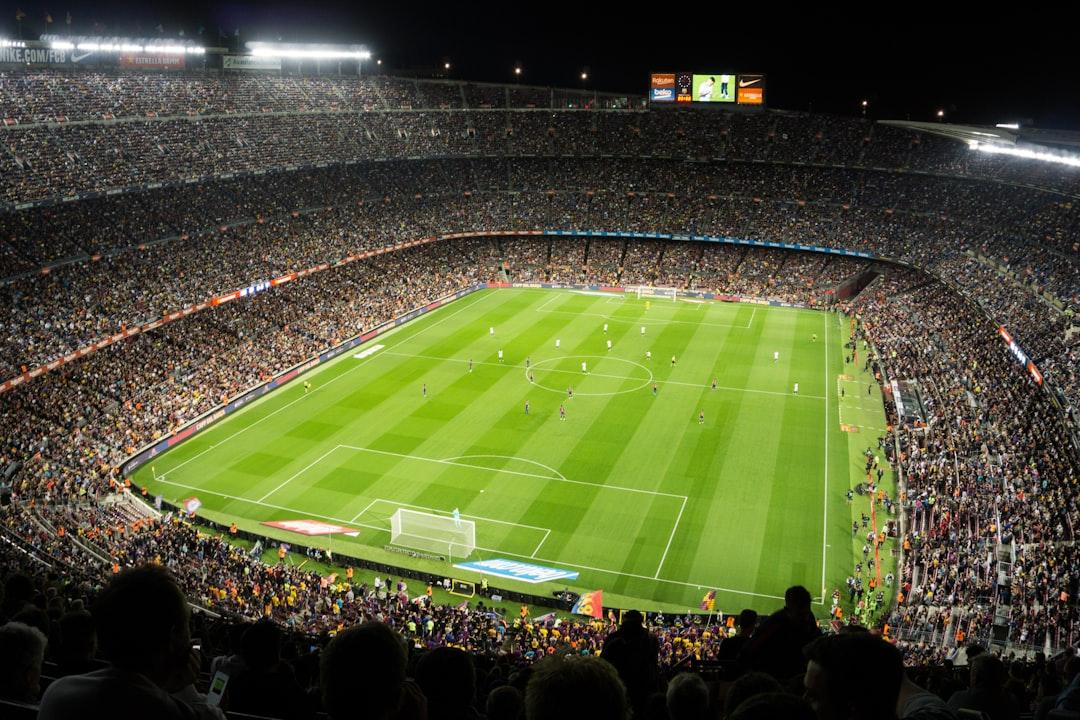
At its core, the World Cup is the world’s most potent engine for cultural exchange. Regardless of who sits in the halls of power in Washington, Ottawa, or Mexico City, the tournament remains a singular event where borders blur. When fans from disparate corners of the globe descend upon a host city, they bring with them a visceral energy that transcends language, ideology, and national rhetoric.
This phenomenon is not merely a byproduct of the matches played on the pitch; it is the primary feature of the tournament. In the stands, you find a microcosm of humanity—a melting pot where the shared language of football replaces the divisive discourse of modern politics. For a few weeks, the global community congregates, not as citizens of specific states, but as participants in a collective experience that values skill, passion, and unity above all else.
Critics often point to FIFA’s bureaucratic complexities and the potential for political figures to leverage the event for their own agendas. While these concerns are valid in a journalistic sense, they often fail to account for the sheer resilience of the sport itself. FIFA, despite its corporate ambitions, is ultimately a steward of a game that belongs to the people.
Similarly, political figures may attempt to claim ownership of the tournament’s success, but the history of the World Cup suggests that such attempts are transitory. The tournament’s cultural footprint is too vast and too deeply rooted in the grassroots passion of local communities to be contained or defined by political optics. When the first whistle blows, the focus shifts inevitably from the podium to the grass, where the only thing that matters is the game.
Hosting the 2026 tournament across Canada, Mexico, and the United States presents a unique logistical challenge and an even greater opportunity. The sheer scale of the North American landscape, combined with its deeply ingrained multicultural fabric, provides a perfect stage for the World Cup’s true objective: to bring people together.
- Diversity in Host Cities: The tournament will span vastly different urban environments, ensuring that the global audience experiences the unique flavor of each host region.
- Community Engagement: Local organizers are already working to ensure that the impact of the World Cup extends beyond the ticket holders, fostering a sense of pride and unity within local neighborhoods.
- The Power of Connection: The tournament serves as a reminder that even in a polarized world, there is a common ground to be found through sports.
As we look toward 2026, the discourse must shift. We must move away from the cynical view that the World Cup is merely a puppet for political or corporate gain. Instead, we should recognize it for what it is: an unparalleled festival of diversity. The true "beautiful feature" of the World Cup is not the television broadcast, the sponsorship deals, or the political speeches—it is the sight of two strangers from different continents embracing in a stadium aisle after a goal. That, ultimately, is the legacy that will endure long after the final trophy is lifted.
Enjoying this article?
Get the daily AI briefing sent straight to your inbox.
Frequently Asked Questions
Will politics affect the 2026 World Cup experience?
While political discourse often surrounds major sporting events, the core experience of the World Cup remains defined by fan passion and cultural exchange, which largely transcends political rhetoric.
What makes the 2026 World Cup unique?
The 2026 tournament is uniquely positioned as it is hosted across three diverse North American nations, highlighting the power of multiculturalism and global connection.
Comments
0Please sign in to leave a comment.
Related articles
Club Football Returns: How Global Giants Are Preparing for the New Season
With the international football calendar pausing, global giants like Real Madrid and Atlético de Madrid are ramping up their pre-season campaigns to prepare for a grueling year ahead.
Gasperini on Kone, Malen Futures: Roma's Transfer Window Heats Up
As Roma kicks off its preseason, manager Gian Piero Gasperini has addressed speculation surrounding the futures of Manu Kone and Donyell Malen, hinting at potential transfer developments.
Enzo Maresca Faces Crucial Decision on Claudio Echeverri’s Manchester City Future
Manchester City manager Enzo Maresca is preparing to evaluate Claudio Echeverri’s readiness for the Premier League, with a potential return to River Plate on the cards.