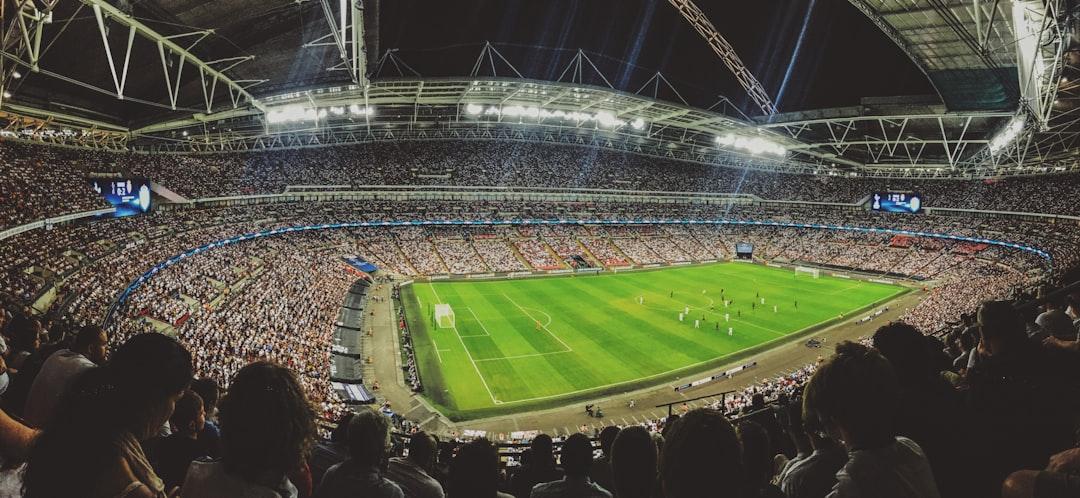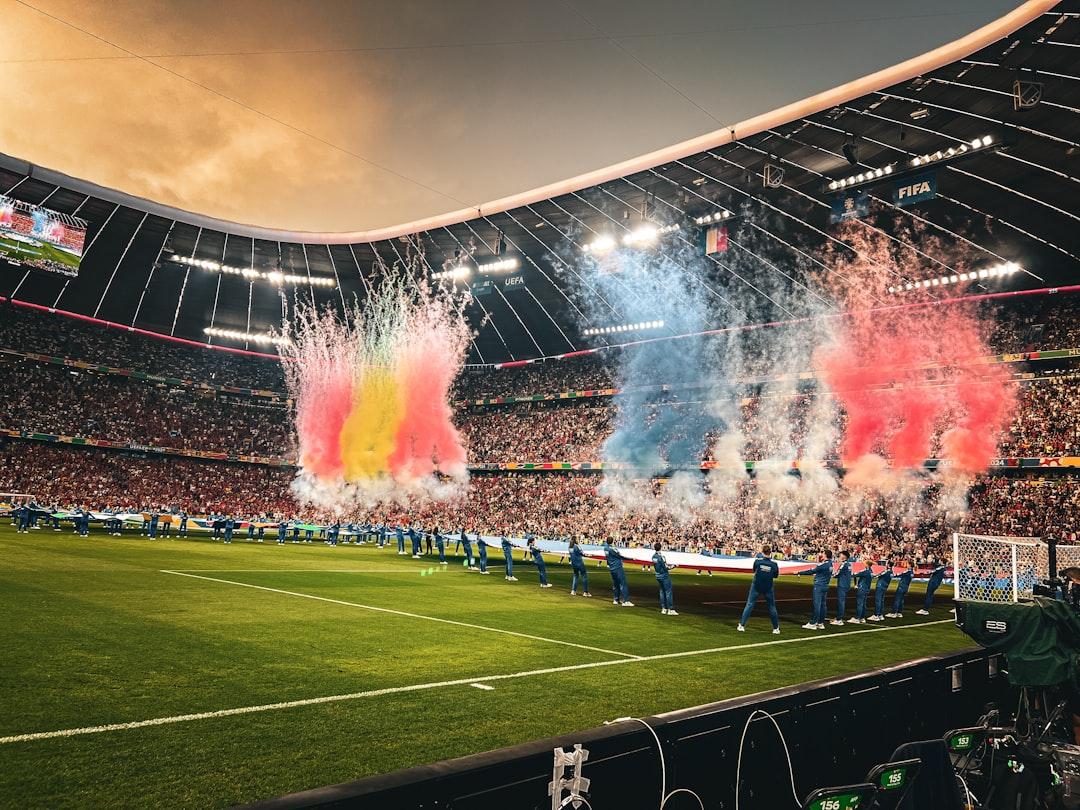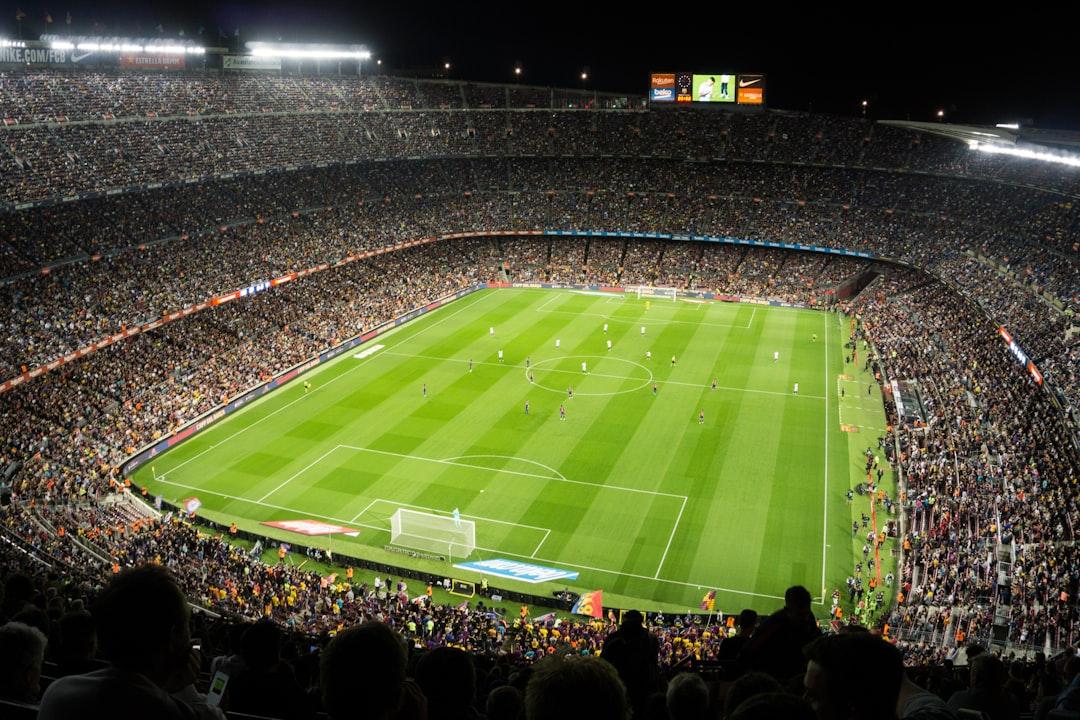
The intersection of sports, music, and raw human emotion has always been the beating heart of major international tournaments. Following England's commanding 4-2 victory against Croatia in their opening group match, fans inside the stadium spontaneously erupted into a collective rendition of Oasis’s 1995 classic, "Wonderwall." The moment quickly caught the attention of Liam Gallagher himself, who took to social media to react to the tribute.
Yet, in the modern media landscape, a stadium chant is no longer just a localized acoustic event. Today, these organic cultural moments are immediately captured, processed, and amplified by complex digital infrastructures. From AI-driven crowd acoustics in smart stadiums to real-time algorithmic recommendation engines, the journey of "Wonderwall" from the terraces to global feeds highlights how artificial intelligence is transforming sports culture, fan engagement, and digital broadcasting.
Capturing the raw energy of 80,000 fans singing in unison is an immense engineering challenge. Modern sports venues are increasingly utilizing "smart stadium" technologies, which rely on acoustic artificial intelligence and advanced spatial audio arrays to capture, isolate, and broadcast crowd noise.
Traditional broadcast microphones often struggle with the chaotic, echoing environment of a massive stadium. Today, broadcasters and stadium operators employ neural network-driven audio processing tools. These AI systems can:
- Isolate Specific Frequencies: Distinguish between general background drone (like plastic horns or whistling) and melodic group singing.
- Real-time Mixing: Automatically adjust audio levels to ensure the television audience hears the clarity of the fan chant without overpowering the match commentators.
- Spatial Mapping: Dynamically track where the sound is originating in the stadium, allowing automated camera systems to pivot and capture the visual emotion of the fans leading the chant.
By converting chaotic acoustic waves into structured digital data, AI ensures that the visceral, spine-tingling feeling of thousands of fans singing "Wonderwall" is translated perfectly to millions of living rooms worldwide.
While fans singing in a stadium is a time-honored tradition, broadcasting those songs globally introduces a complex web of intellectual property (IP) challenges. In the digital age, automated copyright identification systems—powered by machine learning algorithms—scan live broadcasts and user-generated content (UGC) in real time.
Platforms like YouTube, TikTok, and Twitch rely on sophisticated audio fingerprinting technologies (similar to Shazam's core algorithms) to detect copyrighted material. When thousands of fans sing "Wonderwall" in perfect unison, these AI systems can identify the underlying musical composition.
This creates a unique legal and technical challenge for broadcasters and social media platforms:
- Fair Use vs. Licensing: Does a crowd singing a song constitute a copyright infringement, or is it an ambient, transformative event?
- Automated Muting: In some instances, overzealous AI copyright bots have been known to automatically mute live streams or flag fan-captured videos, disrupting the user experience.
- Smart Licensing Agreements: Moving forward, sports federations and music publishers are exploring automated micro-licensing frameworks, where AI-brokered contracts instantly clear the rights for stadium-wide singalongs during major broadcasts.
Once the match concluded and the video of the "Wonderwall" singalong was uploaded, recommendation algorithms took over. Platforms like TikTok, Instagram Reels, and X (formerly Twitter) use deep learning models to analyze video content, audio tracks, and user engagement metrics within milliseconds of upload.
These algorithms look for specific signals to determine if a video should be pushed to a wider audience. A video featuring a highly recognizable, emotionally charged audio track like "Wonderwall" combined with high visual activity (fans jumping and celebrating) acts as algorithmic gold.
When Liam Gallagher reacted to the footage, his digital footprint triggered another layer of algorithmic amplification. AI-driven sentiment analysis tools used by brands and media outlets immediately flagged the interaction, pushing the story into mainstream news feeds. This created a powerful feedback loop where physical emotion in the stadium fueled digital engagement, which in turn drove more physical interest in the next match.
For sponsors and sports federations, these spontaneous musical moments represent massive marketing opportunities. Brands are no longer relying on post-match surveys to understand fan sentiment; instead, they employ real-time Natural Language Processing (NLP) and audio emotion-recognition models.
By analyzing social media commentary, forum discussions, and even the audio feeds of live broadcasts, AI can gauge the exact emotional state of a fanbase. When a song like "Wonderwall" becomes the unofficial anthem of a tournament run, brands can dynamically adjust their creative assets, ad placements, and social media copy within minutes to align with the euphoric mood of the nation.
Ultimately, the sight and sound of England fans adopting an Oasis classic is a testament to the enduring power of shared human experiences. Technology does not replace this raw passion; rather, it acts as a highly sophisticated conduit, preserving and projecting the magic of the stadium to a global audience.
As we look toward the future of global sporting events, the integration of AI in acoustic engineering, digital rights management, and content distribution will only deepen. The next time a stadium erupts into song, remember that behind the voices of the crowd is a silent orchestra of algorithms, ensuring the moment resonates across the digital universe.