- The 'stutter' penalty run-up has become a point of contention due to perceived unfairness to goalkeepers.
- Proponents argue the technique is a display of skill and composure, while critics view it as manipulative gamesmanship.
- IFAB and FIFA face mounting pressure to standardize rules regarding the penalty run-up to ensure consistency.
- A potential 'continuous motion' rule is being discussed as a possible solution to resolve the ambiguity.
The Stutter Step Debate: Should Football Outlaw the Penalty Run-Up Pause?
As high-profile misses spark controversy, football authorities face mounting pressure to address the fairness and ethics of the modern penalty kick.
Jul 10, 2026·0 views
Key Takeaways
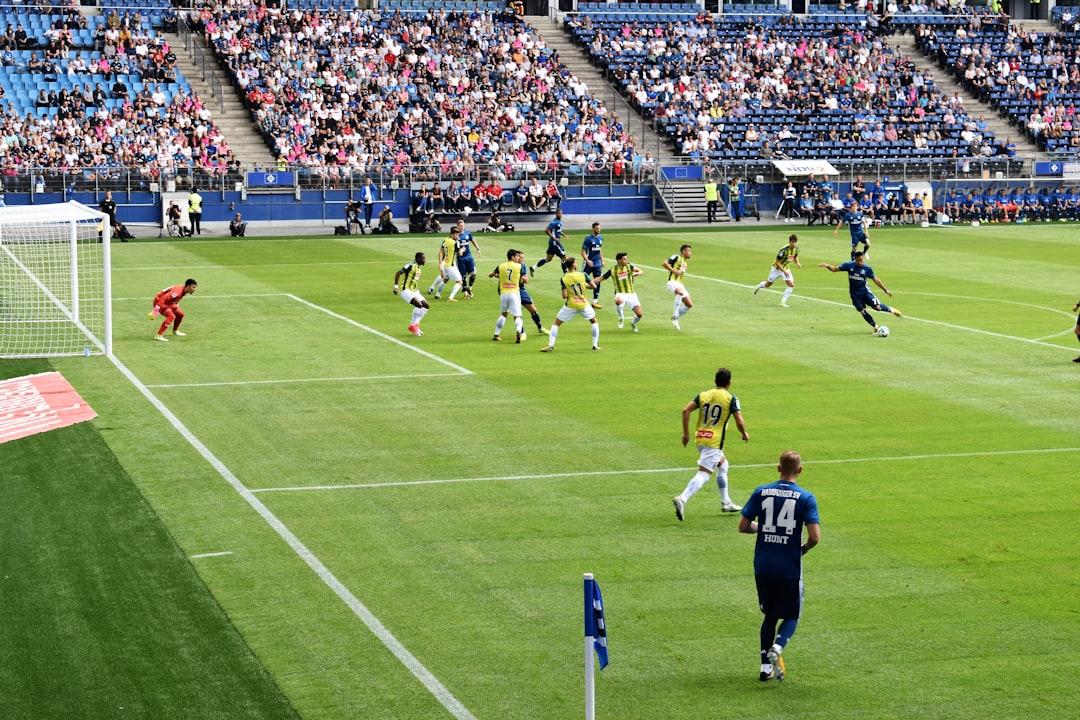
In the high-stakes theater of professional football, the penalty kick has long been considered the ultimate duel between a striker and a goalkeeper. However, the emergence of the 'stutter'—a deliberate pause or hesitation during the run-up—has turned this contest into a psychological minefield that many argue is tilting the balance of fairness. Recent high-profile misses, including those by global stars like Kylian Mbappé, have reignited a fierce debate among fans, pundits, and referees: is the stutter a display of elite composure, or is it an unfair manipulation of the laws of the game?
The stutter run-up involves a player slowing down, pausing, or feinting movement before the final strike. The goal is simple yet devious: to force the goalkeeper to commit to a side early. By stalling, the kicker gains a split-second advantage, waiting for the keeper to dive before slotting the ball into the opposite corner.
While the current laws of the game technically prohibit 'feinting' once the run-up is completed, the line between a rhythmic approach and an illegal pause has become increasingly blurred. Referees are often left in a difficult position, forced to make split-second judgments on whether a player’s hesitation constitutes a violation of the spirit of the game.
Critics of the stutter argue that it undermines the integrity of the sport. They suggest that football should return to a more traditional, fluid run-up to maintain the "contest of skill" rather than a "contest of psychology." Several key arguments have emerged from the pro-regulation camp:
- Goalkeeper Disadvantage: With the current rules already heavily favoring the kicker, the stutter adds an extra layer of difficulty for goalkeepers who are restricted by strict movement rules.
- Standardization: Referees interpret the rules differently, leading to inconsistent officiating across leagues and international tournaments.
- The 'Fair Play' Ethos: Many traditionalists believe that the stutter is a form of gamesmanship that detracts from the pure athleticism that defines professional football.
On the other side of the fence, players and coaches often defend the technique as a necessary evolution of the game. They argue that penalty taking is an art form that requires extreme mental fortitude. In this view, the stutter is not a loophole, but a legitimate skill that requires practice and nerves of steel. If a player can control their body and bait the goalkeeper, they are simply exploiting a tactical opportunity within the rules.
Furthermore, proponents of the stutter argue that goalkeepers have gained significant advantages through modern technology, such as AI-driven heat maps and pre-match analysis of penalty tendencies. From this perspective, the stutter is a necessary equalizer for the kicker.
As the football world looks toward the 2026 World Cup, there is growing speculation that FIFA may revisit the penalty laws. The International Football Association Board (IFAB) has historically been cautious about making drastic changes to the penalty process, fearing that over-regulation could lead to more confusion.
However, the optics of recent international matches suggest that the current ambiguity is unsustainable. A potential solution could be a strict "continuous motion" rule, which would require the kicker to maintain forward momentum from the start of the run-up until the point of contact. Such a rule would effectively ban the stutter while allowing for natural variations in speed.
Regardless of the technical debate, the psychological toll of the penalty kick remains the most compelling aspect of the sport. When a player employs the stutter and misses, the public scrutiny is magnified tenfold. This creates a high-pressure environment that tests the mental limits of even the world’s best athletes. Whether or not the stutter is eventually banned, the penalty kick will remain the most nerve-wracking moment in football, serving as a reminder that in the world of professional sports, the mind is often just as important as the feet.
Enjoying this article?
Get the daily AI briefing sent straight to your inbox.
Frequently Asked Questions
What is the 'stutter' in a penalty kick?
The stutter is a technique where the penalty taker pauses or slows their run-up to force the goalkeeper to commit to a direction before the ball is kicked.
Is the stutter technique illegal in football?
Current laws allow for a stutter, but 'feinting' once the run-up is completed is prohibited. However, the interpretation of what constitutes a 'feint' versus a 'rhythmic pause' remains subjective and inconsistent.
Comments
0Please sign in to leave a comment.
Related articles

Manchester City Mounts Legal Defense to Overturn Premier League Verdict
Manchester City remains defiant as they head into an appeal process, claiming they possess the necessary documentation to clear their name regarding financial breaches.
Everton’s Winter Transfer Strategy: Does Sean Dyche Need Four New Signings?
Following a sobering defeat to Chelsea, questions regarding Everton’s squad depth and January transfer plans have taken center stage at Goodison Park.
Torino Dominates Parma: Simeone Double Ruins Gilardino’s Home Debut
Torino cruised to a 3-0 victory against Parma, dampening Alberto Gilardino’s home debut with a clinical offensive display led by Giovanni Simeone.