- U.S. small-scale solar generation grew from 18,812 GWh to 92,979 GWh over the last decade, a 400% increase.
- California, Arizona, Texas, and Florida lead the nation, driven by a mix of policy mandates and market demand for resilience.
- The integration of AI and battery storage is transforming rooftop solar into intelligent energy nodes capable of supporting 'Virtual Power Plants'.
- Despite changes in net metering policies, the long-term outlook remains bullish due to the Inflation Reduction Act and EV electrification.
The Rooftop Revolution: How Small-Scale Solar Quadrupled US Capacity in a Decade
Beyond the Utility Scale: Decentralized Power is Reshaping the American Grid and Redefining Energy Sovereignty
Oct 19, 2026·0 views
Key Takeaways
In the grand narrative of the global energy transition, much of the spotlight is often reserved for massive utility-scale wind farms and sprawling desert solar arrays. However, a quiet revolution has been unfolding on the rooftops of American homes and the carports of local businesses. According to the latest data, U.S. generation from small-scale solar photovoltaic (PV) systems—defined as systems with less than 1 megawatt (MW) of capacity—has quadrupled over the last ten years.
Starting from a relatively modest 18,812 gigawatthours (GWh) a decade ago, small-scale generation has surged to an estimated 92,979 GWh. This growth represents more than just a statistical anomaly; it signifies a fundamental shift in how the United States produces and consumes power. The move toward decentralized energy is no longer a niche hobby for the environmentally conscious—it is a cornerstone of the modern American infrastructure strategy.
To understand how the U.S. achieved a four-fold increase in small-scale solar, one must look at the convergence of three critical factors: plummeting hardware costs, favorable federal policy, and a growing consumer desire for energy independence.
A decade ago, the cost of residential solar installation was a significant barrier for the average household. Today, the cost per watt has dropped dramatically, thanks to advancements in photovoltaic efficiency and more streamlined manufacturing processes. This economic shift has moved solar from a luxury upgrade to a savvy financial investment, with many homeowners seeing a full return on investment in under a decade.
Furthermore, federal incentives, most notably the Investment Tax Credit (ITC) and the subsequent enhancements provided by the Inflation Reduction Act (IRA), have provided the long-term certainty needed for the industry to scale. By lowering the upfront capital requirements, these policies have democratized access to solar technology, allowing it to penetrate markets far beyond the traditional coastal hubs.
The geography of the solar surge is not uniform. Four states—California, Arizona, Texas, and Florida—have emerged as the undisputed leaders in small-scale generation. While these states share a common asset (abundant sunshine), their paths to solar dominance have been remarkably different.
- California: The perennial leader, California has utilized aggressive mandates and high retail electricity prices to drive adoption. The state's building codes, which often require solar on new constructions, have institutionalized small-scale PV as a standard feature of the modern home.
- Arizona: Leveraging its status as one of the sunniest states in the union, Arizona has focused on residential scaling, despite occasional regulatory battles over net metering and grid fees.
- Texas: Unlike California's mandate-driven approach, Texas has seen a surge driven by market dynamics and a desire for grid resilience. Following several high-profile grid failures during extreme weather events, Texas homeowners are increasingly viewing rooftop solar paired with battery storage as a critical safety net.
- Florida: Long known as the "Sunshine State," Florida has finally begun to live up to its moniker. Recent years have seen a massive uptick in installations as the state's utilities and regulators have begun to embrace the inevitability of the solar transition.
One of the most significant developments in the last decade is the integration of small-scale solar with advanced technology. We are no longer just talking about passive panels on a roof; we are talking about intelligent energy nodes.
The rise of Artificial Intelligence (AI) in energy management has been a game-changer. Modern solar inverters are now equipped with AI-driven software that optimizes energy usage in real-time. These systems can predict weather patterns, analyze household consumption habits, and decide whether to use solar power, store it in a battery, or sell it back to the grid for maximum profit.
This synergy is creating "Virtual Power Plants" (VPPs). By aggregating thousands of small-scale solar and storage systems, grid operators can call upon decentralized assets to provide stability during peak demand, effectively replacing the need for traditional, carbon-intensive "peaker" plants. This is where the true value of the 92,979 GWh lies—not just in the volume of energy, but in its flexibility.
Despite the meteoric rise, the path forward is not without obstacles. The industry is currently grappling with a transition in "Net Energy Metering" (NEM) policies. In states like California, the move to NEM 3.0 has reduced the export compensation for solar owners, shifting the incentive toward self-consumption and battery storage rather than simply feeding the grid.
Critics argue that these changes could slow adoption, but industry analysts suggest they are a necessary evolution of the grid. As small-scale solar becomes a larger portion of the energy mix, the grid must evolve from a one-way street to a complex, multi-directional network. This requires significant investment in grid modernization and a rethinking of the utility business model.
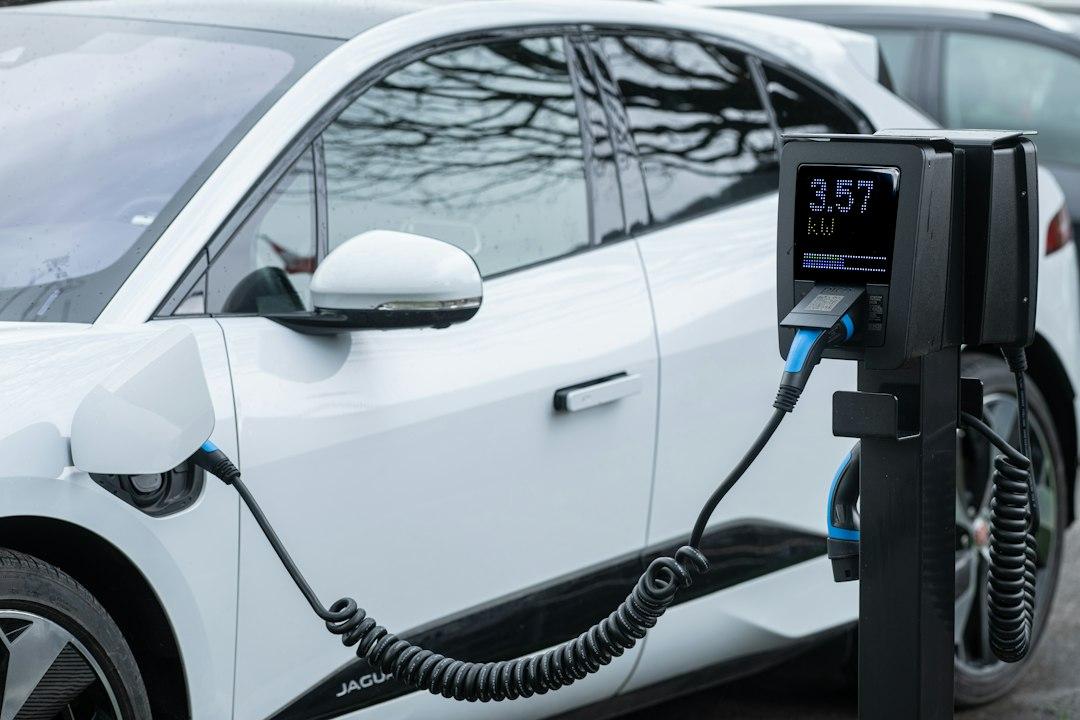
As we look toward the next decade, the momentum of small-scale solar shows no signs of stalling. The electrification of transport—specifically the rise of Electric Vehicles (EVs)—is creating a massive new source of demand that solar is perfectly positioned to meet. A home with solar panels and an EV becomes its own micro-utility, shielded from the volatility of global oil markets and rising utility rates.
We expect to see the next quadrupling of capacity happen even faster. As the technology moves into the "mass adoption" phase of the S-curve, economies of scale will continue to drive down costs, while AI will make these systems more efficient and easier to manage than ever before. The last decade was about proving the viability of rooftop solar; the next decade will be about its ubiquity.
Enjoying this article?
Get the daily AI briefing sent straight to your inbox.
Frequently Asked Questions
What is considered 'small-scale' solar?
Small-scale solar generally refers to photovoltaic (PV) systems with a capacity of less than 1 megawatt (MW). This includes residential rooftop solar, small commercial installations, and community solar projects.
Why did solar generation quadruple in just ten years?
The growth was driven by a combination of a significant drop in hardware costs, federal tax incentives like the Inflation Reduction Act, and increased consumer demand for energy independence and grid resilience.
How does AI impact small-scale solar?
AI optimizes energy management by predicting weather patterns and consumption habits, allowing systems to switch between grid use, storage, and self-consumption to maximize efficiency and cost savings.
Comments
0Please sign in to leave a comment.
Related articles

DeLorean Returns to the Skies: How eVTOL Tech is Reviving an Icon
DeLorean is embracing the future of transportation by joining forces with Airspeeder, the world’s first racing series for electric flying cars.

The New Era of Energy Security: How Electrification Rewrites Global Power
Energy security is moving away from the volatile logistics of fossil fuel supply chains toward a future defined by grid resilience, storage, and local renewable generation.

Franco-German Car Deal Sparks Backlash Over Climate and EV Ambition
Transport & Environment slams a recent Franco-German deal as a 'historic mistake' that risks stalling Europe’s progress in the global electric vehicle race.