- Vibe coding uses natural language to generate software, lowering the barrier to entry.
- The approach enables rapid prototyping but often masks underlying technical debt.
- AI-generated code requires human oversight to ensure security and maintainability.
- The future of development involves a hybrid model of AI-assisted creation and expert review.
The Rise of Vibe Coding: Innovation or a Shortcut to Technical Debt?
As AI-assisted programming gains traction, developers weigh the benefits of intuitive coding against the risks of hidden errors.
Aug 19, 2026·0 views
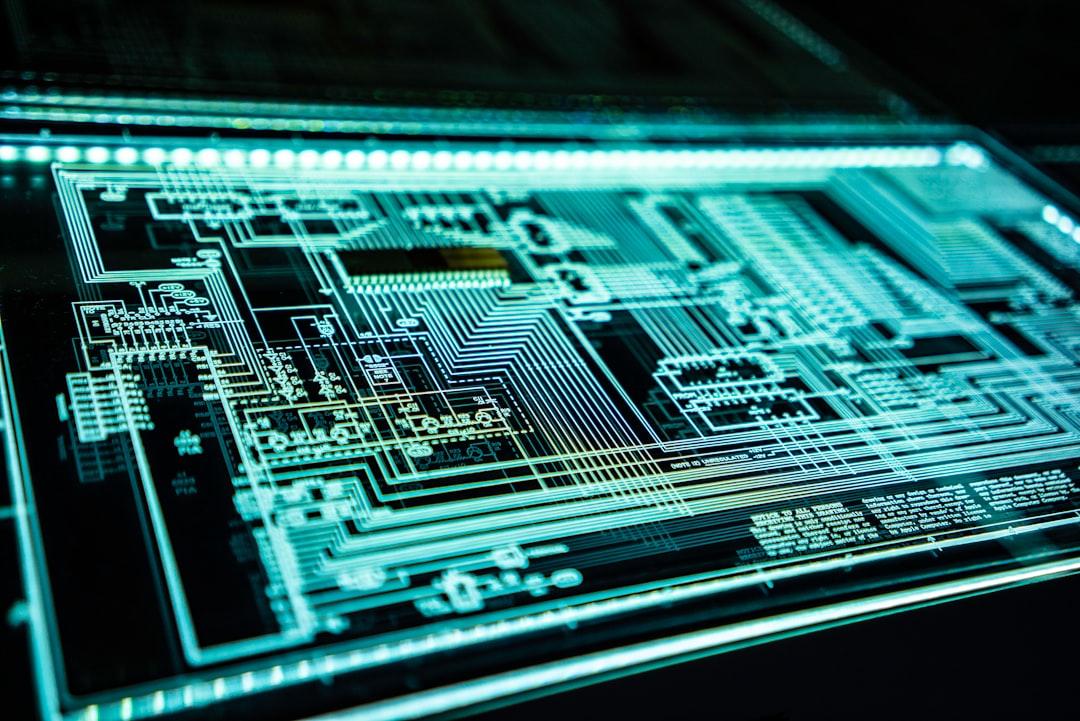
Key Takeaways
In the rapidly evolving landscape of software engineering, a new term has emerged to describe the way developers are interacting with large language models (LLMs): "vibe coding." Unlike traditional programming, which relies heavily on manual syntax entry and rigorous debugging, vibe coding is an approach where the developer describes their intent in natural language, relying on AI to translate these "vibes" into functional code. While the industry remains divided, the impact of this shift is undeniable.
One of the most significant advantages of vibe coding is accessibility. By abstracting away complex syntax and boilerplate structures, AI tools allow individuals with limited technical backgrounds to build functional applications. This democratization of software creation means that domain experts—rather than just professional coders—can now translate their ideas into digital reality.
The velocity at which developers can iterate has reached unprecedented levels. Vibe coding allows for rapid prototyping, enabling teams to move from a conceptual idea to a working MVP in hours rather than weeks. For startups and independent developers, this speed is a game-changer in a competitive market.
Programming is mentally taxing, particularly when managing complex syntax and library dependencies. Vibe coding allows developers to focus on the "what" rather than the "how." By offloading the grunt work of writing boilerplate code to an AI, engineers can dedicate their cognitive energy to high-level system architecture and user experience design.
When code is generated by an AI based on a vague prompt, it often lacks transparency. If a bug occurs, the developer may not understand the underlying logic of the generated code, making troubleshooting a nightmare. This creates a reliance on AI that can turn into a liability when systems break in production.
Perhaps the most dangerous aspect of vibe coding is the confidence it instills in inexperienced users. A functional app does not necessarily mean a secure, performant, or scalable one. Vibe coding can lead to a proliferation of "spaghetti code" that works on the surface but contains critical security vulnerabilities or architectural flaws that only manifest under heavy load.
AI models are optimized for completion, not necessarily long-term maintainability. Vibe coding often ignores the principles of clean code, modularity, and documentation. Over time, this leads to a massive accumulation of technical debt, making the software increasingly difficult to update or modify as requirements change.
Ultimately, vibe coding represents a powerful evolution in the development toolkit, but it is not a panacea. The most successful developers will be those who treat AI as a junior partner—one that requires supervision, testing, and strategic guidance.
To bridge the gap between "vibes" and professional-grade software, developers must maintain a deep understanding of computer science fundamentals. The future of programming isn't about abandoning code; it is about leveraging AI to write better, more efficient code while maintaining the rigorous standards that ensure safety and reliability in the digital infrastructure of our global economy.
Enjoying this article?
Get the daily AI briefing sent straight to your inbox.
Frequently Asked Questions
What exactly is vibe coding?
Vibe coding is a software development approach where developers use natural language prompts to guide AI models in writing code, prioritizing the developer's intent over manual syntax writing.
Is vibe coding safe for production software?
It can be, provided that experienced engineers review, test, and refactor the AI-generated output to ensure it meets security and performance standards.
Does vibe coding replace the need to learn programming?
No. While it allows for faster development, understanding core programming concepts is essential for debugging, optimizing, and maintaining complex systems.
Comments
0Please sign in to leave a comment.
Related articles
Hugging Face Integrates llama.cpp Quantization into Transformers Library
Hugging Face has officially integrated llama.cpp quantization support into the Transformers library, simplifying the deployment of large language models on consumer hardware.
Jun Kim Joins Hugging Face to Accelerate MLX Ecosystem Growth
Jun Kim, the developer behind oMLX, has joined Hugging Face to lead efforts in expanding and supporting the MLX machine learning framework.
Microsoft Unveils 'ThinkingBox': A New Frontier for LLM Reasoning
Microsoft has introduced ThinkingBox, a groundbreaking framework designed to enhance Large Language Model reasoning through iterative, data-backed validation.