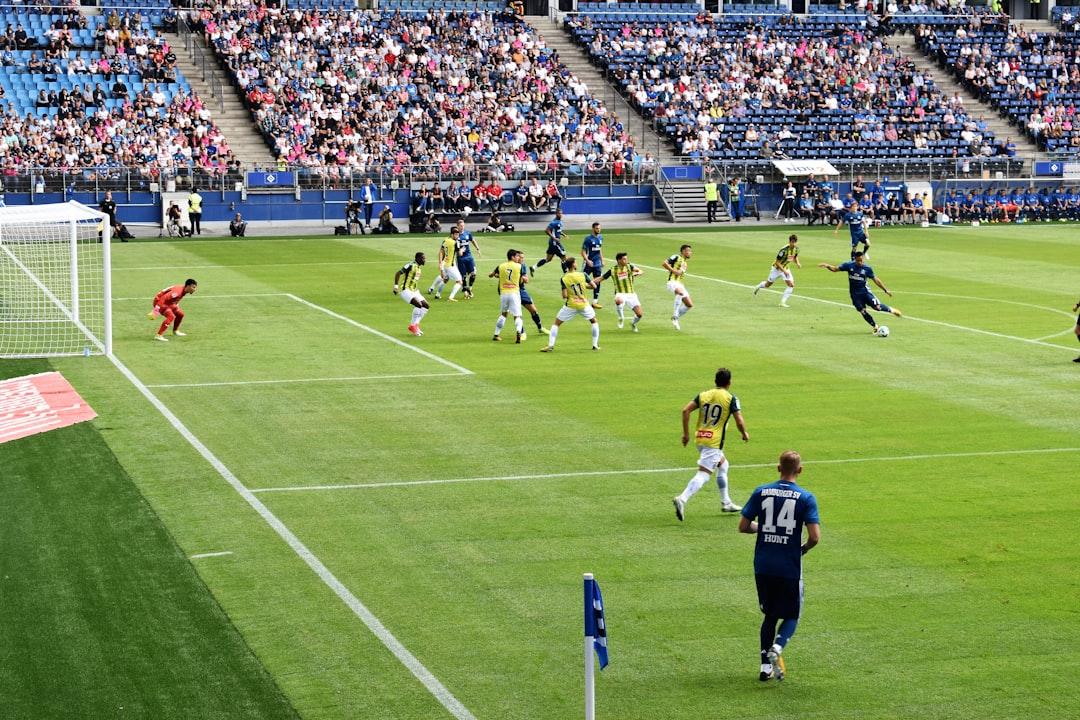
- Belgium has successfully transitioned from the 'Golden Generation' burden to a hybrid model of veteran experience and youthful pace.
- Manager Domenico Tedesco has implemented a more vertical, transition-based tactical system compared to his predecessor.
- The longevity of stars like De Bruyne and Lukaku, supported by modern sports science, remains central to Belgium's top-tier competitiveness.
- Emerging talents like Jérémy Doku have provided the necessary athletic dynamism to complement the team's technical veterans.
The Red Devils’ Resurrection: Why Belgium’s ‘Golden’ Transition is Defying the Critics
Beyond the 'Old Timers' Label: How Belgium is blending veteran wisdom with youthful dynamism to reshape their World Cup legacy.
Jul 10, 2026·0 views
Key Takeaways
For nearly a decade, the Belgian national team carried the heavy mantle of the "Golden Generation." It was a label that promised silverware but often delivered heartbreak, culminating in a dismal group-stage exit at the 2022 FIFA World Cup in Qatar. Critics were quick to write the obituary of Belgian football, citing an aging defense and a creative core that had seemingly passed its prime. However, as the Red Devils navigate the high-stakes knockout rounds of current international competition, a different story is emerging.
This isn't merely the last stand of a few aging icons; it is a sophisticated evolution. Belgium has successfully transitioned from a team burdened by expectation to a side empowered by a hybrid of veteran savvy and raw, youthful exuberance. The "old timers," as some have derisively called them, are proving that in the modern game, experience is the ultimate tactical currency when managed correctly.
At the heart of this resurgence are the pillars of the previous era: Kevin De Bruyne and Romelu Lukaku. While the physical demands of the modern game often sideline players in their thirties, both have adapted their roles to remain indispensable. De Bruyne, often cited as the most intelligent playmaker of his generation, has shifted from a high-intensity box-to-box engine to a more cerebral deep-lying architect. His ability to manipulate space and time remains peerless, allowing Belgium to control the tempo of matches even when they lack the athletic dominance of previous years.
Similarly, Romelu Lukaku’s role has evolved. Beyond his goal-scoring record, his physical presence acts as a gravitational force, drawing defenders and creating pockets of space for Belgium’s emerging wingers. The narrative that these players are "past it" ignores the reality of modern sports science, which has extended the peak performance window for elite athletes. Belgium is currently reaping the rewards of this longevity, utilizing their veterans not just for their skill, but for their psychological composure in the tournament's pressure-cooker moments.
The appointment of Domenico Tedesco marked a definitive break from the Roberto Martinez era. Where Martinez favored a structured, possession-heavy 3-4-3 system that eventually became predictable, Tedesco has introduced a more fluid, transition-based philosophy. This tactical flexibility has been key to Belgium's progress into the last eight.
- High-Intensity Pressing: Tedesco has demanded a more aggressive defensive line, utilizing the energy of younger players to protect the veteran core.
- Verticality: There is a renewed focus on directness. Instead of endless lateral passing, Belgium now looks to exploit transitions with lightning-fast vertical movements.
- Positional Fluidity: Players like Leandro Trossard and Jérémy Doku are given the freedom to drift, making the Belgian attack far more difficult to scout and contain.
This shift has revitalized the squad. By moving away from a rigid system, Tedesco has allowed the natural talent of his players to shine, proving that Belgium’s tactical depth was perhaps underestimated by global analysts.
While the veterans provide the foundation, the ceiling of this Belgian team has been raised by a new wave of talent. Jérémy Doku, in particular, represents the new face of the Red Devils. His world-class dribbling and explosive pace provide a dimension that Belgium lacked during the latter years of the Martinez era. He offers a direct threat that forces opposition managers to rethink their defensive structures, often leaving more room for De Bruyne to operate.
Furthermore, the emergence of Loïs Openda and Johan Bakayoko ensures that the squad has the depth required for the grueling schedule of a World Cup. This integration has been seamless because the veterans have embraced their roles as mentors. There is no longer a divide between the "old guard" and the "newcomers"; instead, there is a unified tactical identity that leverages the strengths of both demographics.
Belgium’s success provides a vital case study for other national associations facing the "end of a cycle." The temptation is often to trigger a total rebuild, discarding veterans in favor of a complete youth movement. Belgium has shown that a managed transition is far more effective. By retaining the intellectual capital of their Golden Generation while aggressively integrating youth into key athletic positions, they have maintained their status as a top-tier global power.
As we look toward the FIFA World Cup 2026, the Belgian model suggests that the window for success doesn't close as abruptly as fans might think. With the expansion of the tournament and the increasing physical demands on players, the ability to balance experience with rotation will be the hallmark of successful nations. Belgium was too easily discounted; their journey to the quarter-finals is not a fluke, but the result of a deliberate and successful evolution of a footballing philosophy.
Enjoying this article?
Get the daily AI briefing sent straight to your inbox.
Frequently Asked Questions
Is Belgium's Golden Generation over?
While many of the original players have retired, the core—including De Bruyne and Lukaku—remains. Rather than ending, the generation has evolved by integrating elite young talents like Jérémy Doku.
How has Belgium's tactics changed under Domenico Tedesco?
Tedesco has moved away from a rigid possession-based 3-4-3 to a more flexible, high-pressing, and vertical system that prioritizes quick transitions.
Can Belgium win the FIFA World Cup 2026?
With their successful blend of experience and new talent, Belgium remains a dark horse contender. Their ability to manage player longevity and tactical evolution puts them in a strong position for 2026.
Comments
0Please sign in to leave a comment.
Related articles
Inside the Milan Revolution: Ruben Amorim, Gerry Cardinale, and a New Era
Ruben Amorim has officially taken the reins at AC Milan, signaling a shift toward modern tactical management and long-term financial sustainability under Gerry Cardinale.
Real Madrid Transfer Update: Mourinho and Perez Target Midfield Overhaul
Real Madrid is entering a transformative phase this summer, with club leadership eyeing key exits to balance the squad despite resistance from certain players.
De Bruyne Dilemma: Tactical Showdown as Spain Meets Belgium in LA Quarterfinal
Spain and Belgium prepare for a blockbuster quarterfinal at SoFi Stadium, with questions surrounding the availability of Belgian talisman Kevin De Bruyne.