- The 48-team expansion makes the 2026 quarterfinals a test of logistical endurance as much as athletic skill.
- Match rankings are determined by narrative weight, host nation involvement, and tactical sophistication.
- AI and Semi-Automated Offside Technology will play a critical role in officiating the high-stakes Round of 8.
- Geographic travel across North America creates a 'recovery deficit' that may impact the quality of specific matches.
The Quarterfinal Crucible: Analyzing the High-Stakes Path to the FIFA World Cup 2026 Final Eight
From 48 down to 8: Why the quarterfinal stage remains the ultimate test of endurance, tactical brilliance, and North American logistics.
Jul 8, 2026·0 views
Key Takeaways
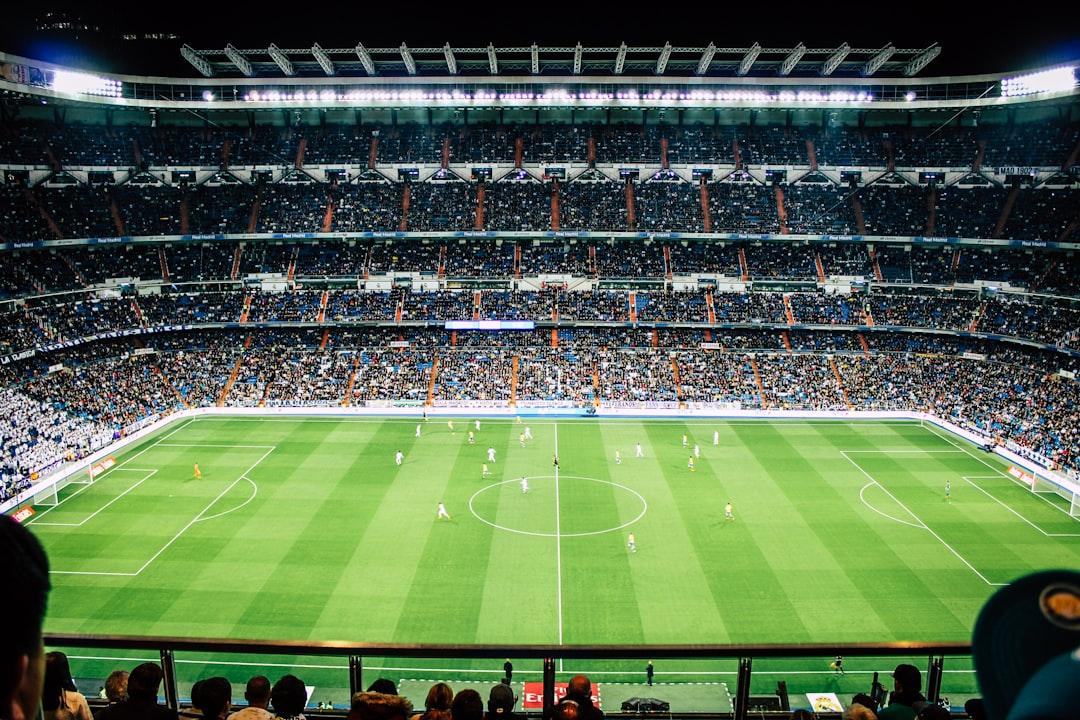
The 2026 FIFA World Cup represents the single largest expansion in the history of international football. Moving from 32 to 48 teams has fundamentally altered the tournament's DNA, stretching the schedule and the physical demands on athletes. However, as the dust settles on the opening rounds, the quarterfinal stage—the Round of 8—remains the most prestigious gatekeeper to immortality. While the group stages offer spectacle and the Round of 32 provides chaos, the quarterfinals are where tactical maturity meets raw ambition.
In this new era, reaching the quarterfinals is no longer just a feat of skill; it is a feat of logistics and recovery. Teams will have navigated a grueling path through North America, spanning three countries and multiple time zones. For the analysts at Imai News, ranking these four pivotal matches involves more than just looking at the FIFA rankings; it requires an evaluation of travel fatigue, tactical innovation, and the atmospheric pressure of the host cities: Los Angeles, Kansas City, Miami, and Boston.
When we rank quarterfinal matches from 'best' to 'worst,' we aren't necessarily looking at the quality of play alone. In a World Cup context, the 'best' game is defined by narrative weight and the clash of conflicting footballing philosophies.
- The Narrative Heavyweight: Typically, the top-ranked quarterfinal involves a clash between a traditional European power and a South American giant. These matches are the 'best' because they represent the historical peak of the sport. In 2026, the potential for a Brazil vs. France or Argentina vs. Spain matchup in the quarterfinals is the primary driver for global viewership and ad revenue.
- The Host Nation Factor: If the United States, Mexico, or Canada secures a spot in the final eight, that specific quarterfinal becomes the 'best' in terms of atmosphere and cultural impact. The economic multiplier of a host nation advancing to this stage is estimated to be in the hundreds of millions of dollars in domestic engagement.
- The Tactical Chess Match: Often, the 'worst' ranked games by casual fans are the most fascinating for purists. These are the defensive masterclasses where two mid-tier nations—having upset giants in the Round of 16—battle in a low-scoring, high-tension tactical stalemate.
One cannot discuss the 2026 World Cup without highlighting the integration of sports technology. By the time teams reach the quarterfinals, the sheer volume of data collected is staggering. AI-driven performance tracking is no longer a luxury; it is the baseline for survival.
Technological interventions expected to peak during these four games include:
- Semi-Automated Offside Technology (SAOT): Reducing the margin of error in high-stakes moments where a single goal determines a semi-final berth.
- Predictive Injury Modeling: Teams are now using AI to monitor player load, crucial for a tournament that involves more games than any previous iteration.
- Real-time Tactical Overlay: For broadcasters and coaches alike, AI is being used to visualize passing lanes and defensive gaps in real-time, changing how substitutions are made in the 70th minute of a quarterfinal.
The 2026 quarterfinals will be held in Los Angeles (SoFi Stadium), Kansas City (Arrowhead Stadium), Miami (Hard Rock Stadium), and Boston (Gillette Stadium). This geographic spread presents a unique challenge. A team playing their Round of 16 match in Mexico City and then flying to Boston for a quarterfinal faces a significant recovery deficit compared to a team that stayed within the East Coast cluster.
This 'Logistical Luck' will likely be a deciding factor in ranking the quality of the games. A game featuring two 'fresh' teams will naturally outrank a game where both squads are visibly suffering from the effects of cross-continental travel and humidity. The 'best' game will be the one where the schedule has allowed the stars to shine at 100% capacity.
From an industry perspective, the quarterfinals are the 'sweet spot' for sponsors. The viewership peaks as the field narrows, but the ticket prices haven't yet reached the astronomical levels of the Final. For the host cities, these four games represent a global audition. Kansas City, often overlooked by international travelers, will be under a global microscope, proving its capability as a world-class sporting hub.
Furthermore, the entertainment value of the 2026 quarterfinals is expected to transcend the pitch. With FIFA aiming to blend sport and celebrity culture—particularly in the Miami and Los Angeles brackets—these matches will be high-production events. The 'ranking' of these games will be influenced as much by the halftime show atmosphere and the 'A-list' presence in the suites as by the scoreline.
As we look toward the conclusion of the quarterfinal stage, the winners will find themselves only 180 minutes away from lifting the trophy. The 48-team experiment will be judged largely on the quality of these four matches. If the expanded format leads to lopsided quarterfinals, critics will argue the tournament has become diluted. However, if the Round of 8 delivers the high-octane, tech-enhanced drama we expect, it will solidify the 2026 World Cup as the greatest sporting event in human history.
The ranking of these games is a reflection of football's current state: a blend of tradition, immense commercial scale, and cutting-edge technology. Whether it is a classic 1-0 tactical grind or a 4-3 offensive explosion, the quarterfinals remain the heart of the World Cup experience.
Enjoying this article?
Get the daily AI briefing sent straight to your inbox.
Frequently Asked Questions
Where will the 2026 World Cup quarterfinals be held?
The quarterfinal matches are scheduled to take place in Los Angeles, Kansas City, Miami, and Boston.
How does the 48-team format affect the quarterfinals?
The expanded format increases the number of matches teams must play to reach the quarterfinals, emphasizing depth of squad and advanced recovery technologies.
What role does AI play in the 2026 World Cup?
AI is used for semi-automated offside decisions, player load management to prevent injuries, and real-time tactical data for coaching and broadcasting.
Comments
0Please sign in to leave a comment.
Related articles
Athletic Club Crisis: Gorka Guruzeta Out for Season With ACL Injury
Athletic Club confirms Gorka Guruzeta will miss the remainder of the season after suffering a season-ending cruciate ligament injury against Valencia CF.
Napoli Star Alisson Santos Faces Another Injury Setback After Return
Napoli’s momentum hits a snag as Alisson Santos suffers a fresh injury blow immediately following his return to the pitch.
Kamari Doyle Urges Leicester City to Build Momentum After Doncaster Victory
Leicester City midfielder Kamari Doyle believes the club's recent triumph over Doncaster is the catalyst needed to spark a consistent winning streak.