- Norway overcame its harsh climate by installing over 1,000 artificial turf pitches, enabling year-round technical development.
- The 'Norwegian Blueprint' is funded by state-regulated gambling profits, ensuring merit-based access to elite training.
- A radical shift toward collaborative coaching has replaced individual egos with a unified national development curriculum.
- The 2026 FIFA World Cup serves as the ultimate litmus test for this structural and economic sports revolution.
The Norwegian Blueprint: How Artificial Turf and Collaborative Coaching Built a Football Powerhouse
Beyond Haaland and Ødegaard: Analyzing the structural and economic revolution fueling Norway’s rise ahead of the 2026 FIFA World Cup.
Jul 11, 2026·0 views
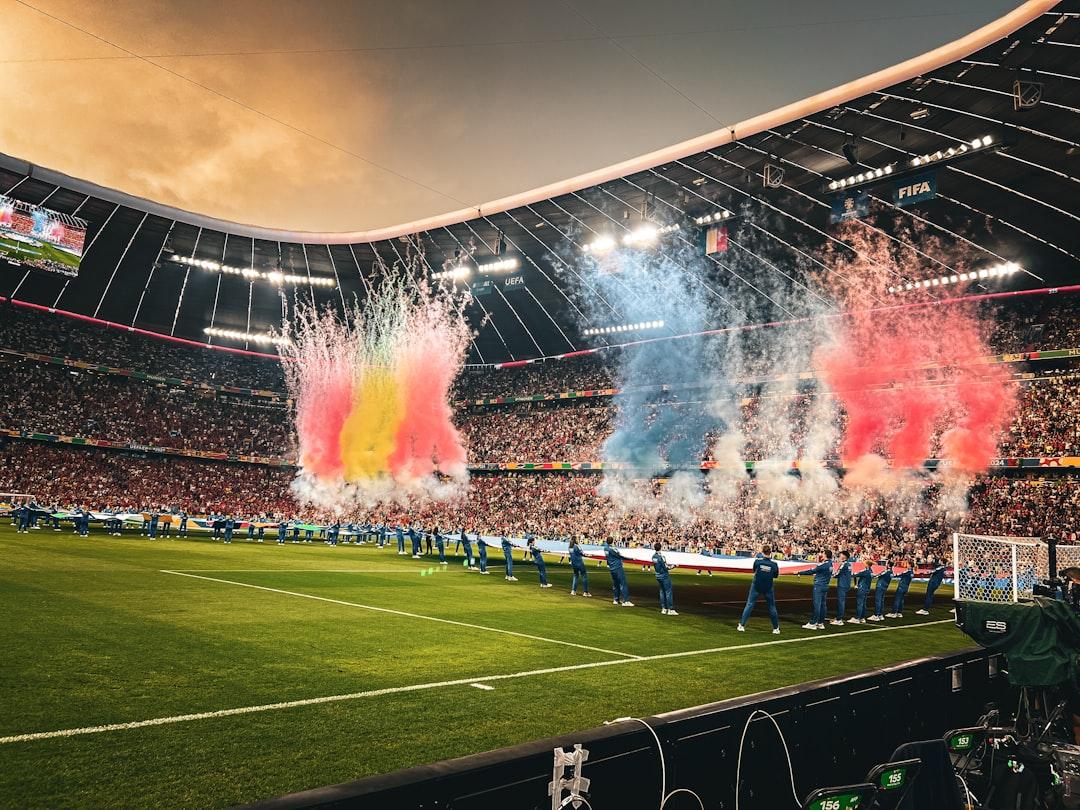
Key Takeaways
For decades, Norwegian football was synonymous with a specific brand of physicality—a rugged, long-ball approach that prioritized endurance over elegance. However, the current landscape tells a vastly different story. As we look toward the FIFA World Cup 2026, Norway is no longer an underdog relying on grit; they are a technical powerhouse. With global superstars like Erling Haaland and Martin Ødegaard leading the charge, the world is beginning to ask: How did a nation of just 5.5 million people orchestrate such a radical transformation?
The answer lies not in a single stroke of luck, but in a multi-decade structural overhaul. It is a story of overcoming geographic limitations through technology, financing development through state-regulated industries, and dismantling the traditional 'ego-driven' coaching model in favor of radical collaboration. For Imai News, we dive deep into the 'Norwegian Blueprint' and what it means for the future of global sports infrastructure.
Historically, Norway’s greatest adversary was its own climate. Long, harsh winters meant that natural grass pitches were unplayable for half the year, severely limiting the 'touches on the ball' for youth players compared to their counterparts in Spain or France. The solution was a massive, nationwide investment in artificial turf.
Over the last twenty years, the number of artificial pitches in Norway has exploded, now exceeding 1,000 full-size surfaces across the country. This technological pivot democratized access to the sport. It allowed for year-round training, ensuring that a child in the Arctic Circle had the same opportunity to develop technical skills as one in Oslo.
This shift changed the DNA of the Norwegian player. The unpredictability of mud and uneven grass was replaced by the consistent roll of synthetic turf, encouraging a shorter passing game, higher technical proficiency, and greater ball control. The 'Golden Generation' is the first to have spent their entire developmental cycle on these high-quality surfaces, and the results are evident in the technical grace of players like Ødegaard.
While infrastructure provides the stage, funding provides the actors. Norway’s model for sports financing is unique and highly centralized. A significant portion of the country’s sports budget comes directly from Norsk Tipping, the state-owned gambling operator. By law, a substantial percentage of gambling profits is funneled back into 'grassroots' sports and cultural initiatives.
This creates a virtuous cycle. Unlike many nations where youth academies are locked behind expensive paywalls or rely on volatile private sponsorships, Norway’s system is heavily subsidized. This ensures that talent identification is based on merit rather than socio-economic status. The investment goes beyond just pitches; it funds equipment, travel for remote teams, and, perhaps most importantly, the professionalization of youth coaching at the local club level.
Perhaps the most profound change in the Norwegian system is the psychological shift in coaching. In many footballing cultures, youth coaches are often driven by personal ambition, focusing on winning short-term trophies to bolster their own resumes. Norway dismantled this 'ego-system' in favor of an 'eco-system.'
The Norwegian Football Federation (NFF) implemented a collaborative framework known as the 'Landslagsskolen' (The National Team School). This program ensures that coaches across different clubs and age groups are speaking the same tactical language. Instead of hoarding secrets, coaches share data, methodology, and scouting reports.
This collaborative spirit extends to the players. The emphasis is on 'The Norwegian Way'—a philosophy that balances individual brilliance with collective responsibility. By focusing on the 'person' as much as the 'player,' Norway has fostered an environment where stars like Haaland can integrate seamlessly into a team structure without the friction often seen in high-profile squads.
As the FIFA World Cup 2026 approaches, the Norwegian model serves as a case study for other mid-sized nations. It proves that you don’t need a massive population to produce world-class talent; you need a massive commitment to infrastructure and a unified vision.
However, the challenge remains: translating individual talent into tournament success. Norway has not qualified for a major tournament since Euro 2000. The pressure on this 'Golden Generation' to deliver on the world stage is immense. For the 2026 cycle, the integration of AI-driven performance analytics and advanced recovery tech—areas where Norway is also investing heavily—will be the final piece of the puzzle.
In an era where football is increasingly dominated by billionaire-owned clubs and massive commercial interests, Norway’s state-supported, community-focused model is a refreshing anomaly. Whether or not they lift a trophy in 2026, the 'Norwegian Blueprint' has already changed the game, proving that with the right turf, the right funding, and the right mindset, any nation can reach the pinnacle of the world's most popular sport.
Enjoying this article?
Get the daily AI briefing sent straight to your inbox.
Frequently Asked Questions
How does Norway fund its youth football development?
A significant portion of Norway's sports funding comes from Norsk Tipping, the state-owned gambling operator, which reinvests profits into grassroots sports and infrastructure.
Why was artificial turf so important for Norwegian football?
Artificial turf allowed Norwegian players to train year-round regardless of the winter climate, drastically increasing their 'touches on the ball' and improving overall technical skills.
What is the 'Landslagsskolen' in Norwegian football?
It is the 'National Team School'—a unified coaching framework that encourages collaboration between clubs to ensure a consistent tactical and developmental philosophy across the country.
Comments
0Please sign in to leave a comment.
Related articles
The Memeification of Elite Football: How Mbappé, Haaland, and Saliba Rule the Digital Pitch
From the viral 'Kylian Dictator' memes to Erling Haaland's prophetic on-field dominance, modern football superstars are navigating a landscape where digital persona is as powerful as athletic performance.
The Dynasty Blueprint: Why Real Madrid is Fast-Tracking Key Contract Renewals
Real Madrid is moving swiftly to secure the long-term futures of its key superstars. We analyze the strategic, financial, and international implications of Florentino Pérez's proactive contract renewal drive.
Manchester United Target Orlando Gill as £5.2M Release Clause Sparks Transfer Rumors
Manchester United has identified Paraguay goalkeeper Orlando Gill as a primary target, taking advantage of an accessible release clause.