- Jay-Z concluded a historic three-night Yankee Stadium residency celebrating the milestones of 'The Blueprint' (25 years) and 'Reasonable Doubt' (30 years).
- The event featured high-profile guest appearances from Beyoncé, Rihanna, and Usher, demonstrating the immense power of collective curation in the modern music landscape.
- The residency model highlights a strategic pivot in the live entertainment sector, offering reduced logistics costs and premium monetization opportunities compared to traditional touring.
- The success of the shows establishes a new blueprint for how legacy hip-hop artists can preserve their cultural impact and command stadium-level economics.
The New Era of Legacy Hip-Hop: Inside Jay-Z’s Historic Yankee Stadium Residency
How a star-studded celebration of 'The Blueprint' and 'Reasonable Doubt' redefines the economic and cultural blueprint of live music.
Jul 13, 2026·0 views
Key Takeaways
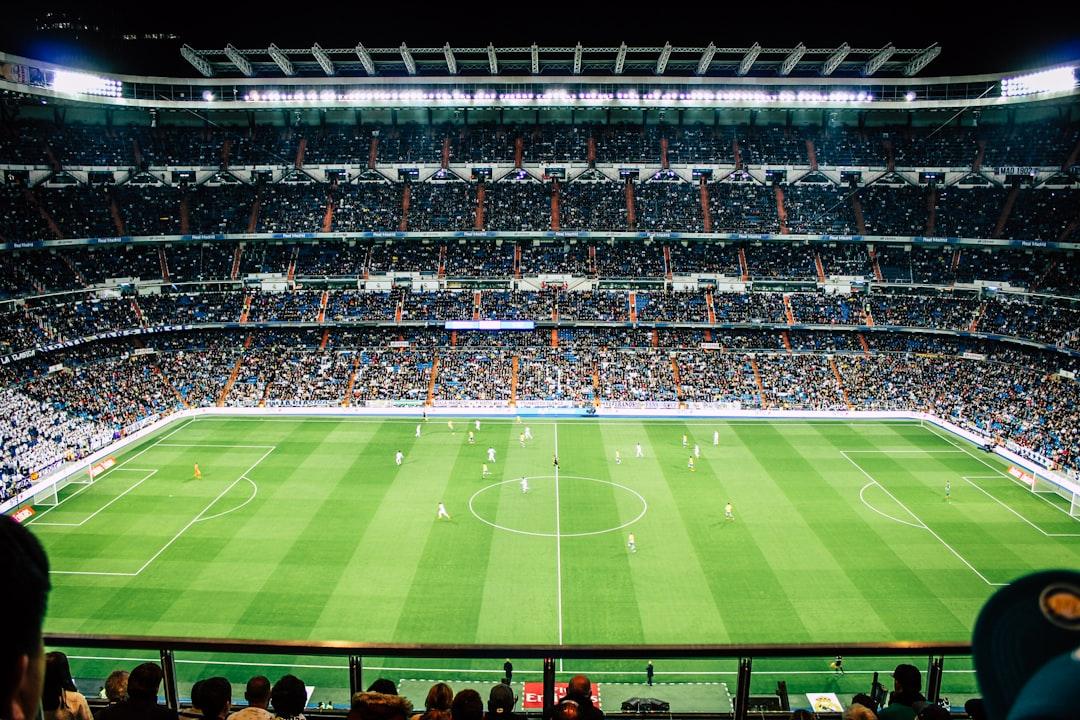
The intersection of hip-hop legacy, corporate curation, and stadium-level economics reached a historic milestone at Yankee Stadium. Shawn 'Jay-Z' Carter concluded his highly publicized three-night residency in the Bronx, a late-night marathon that transcended a typical concert to become a cultural coronation. Ostensibly billed as a celebration of the 25th anniversary of The Blueprint (2001) and the 30th anniversary of Reasonable Doubt (1996), the residency served as a powerful case study in the evolution of live entertainment.
By bringing out an unparalleled roster of cultural icons—including Beyoncé, Rihanna, Usher, and Teyana Taylor—Jay-Z did not just perform his catalog; he asserted his position as the ultimate curator of modern music history. For an industry grappling with shifting consumer habits and the rising costs of global touring, this residency offers a masterclass in how legacy artists can maximize impact, minimize travel overhead, and command premium ticket pricing.
Traditionally, the concept of a multi-night stadium residency was reserved for legacy rock acts, pop juggernauts like Taylor Swift, or long-running theatrical spectacles in Las Vegas. Hip-hop, despite its global dominance on streaming platforms, has historically relied on the relentless grind of traditional arena tours. Jay-Z’s Yankee Stadium run challenges this status quo.
From a logistics and cost-efficiency perspective, the residency model offers immense advantages:
- Reduced Travel Overhead: Consolidating production in a single world-class venue eliminates the massive transportation, lodging, and logistics costs associated with moving hundreds of crew members and tons of equipment from city to city.
- Premium VIP Experiences: By anchoring the event in a major media market like New York City, the promoters (Roc Nation and Live Nation) could offer high-tier VIP packages, exclusive merchandise, and hospitality experiences that are difficult to replicate on a fast-moving national tour.
- Destination Tourism: Fans traveled globally to witness these specific dates, turning a concert into a multi-day economic driver for the host city.
This residency proves that for artists with deep catalogs and cultural gravitas, staying in one place can yield higher profit margins and greater cultural resonance than a standard 30-city tour.
What elevated the final night of the residency from a retrospective to an industry-defining event was the sheer caliber of guest appearances. The stage saw a succession of performances that felt less like a standard concert guest spot and more like a curated exhibition of Black music excellence.
When Rihanna joined Jay-Z on stage, followed by Usher and a show-stopping appearance by Beyoncé, the event effectively consolidated the star power of multiple stadium-level headliners into a single evening. In the streaming era, where music consumption is increasingly fragmented, these moments of collective cultural focus are rare.
This "Marvel-ization" of live music—where solo artists cross over into each other's live sets to create blockbusters—is a highly effective strategy to combat consumer fatigue. It transforms a concert into a "can't-miss" cultural moment, driving organic social media reach that no marketing budget can replicate. For brands and sponsors aligned with Roc Nation, the ROI of such concentrated cultural capital is unparalleled.
As Reasonable Doubt turns 30 and The Blueprint reaches 25, the music industry is forced to confront how it treats the history of hip-hop. Unlike rock and roll, which has established institutional structures like the Rock & Roll Hall of Fame and classic rock radio to preserve its legacy, hip-hop is a younger genre that is still defining its relationship with aging.
Jay-Z’s performance demonstrated how hip-hop can age with grace, sophistication, and immense commercial power. By performing tracks from Reasonable Doubt—an album that initially struggled for commercial radio play but defined the blueprint of street-level lyricism—alongside the stadium-filling anthems of The Blueprint, Carter bridged the gap between underground purism and global pop dominance.
This preservation of legacy is crucial in an era dominated by short-form algorithmic content. A live performance of this scale recontextualizes these albums not as nostalgic artifacts, but as living, breathing foundations of contemporary culture. It re-engages older demographics who grew up with the music while introducing younger streaming audiences to the historical depth of the genre.
The success of the Yankee Stadium residency will undoubtedly reverberate through the boardrooms of major live entertainment promoters. We are likely to see several industry shifts in the coming years:
- The Rise of Regional Residencies: Other legacy hip-hop and R&B acts may eschew traditional touring in favor of multi-night runs in key cultural hubs like Atlanta, Los Angeles, London, and Tokyo.
- Increased Collaboration and Joint Ventures: The crossover appeal of these shows highlights the value of joint ventures between management firms, labels, and local venues to create bespoke, highly curated live experiences.
- A Premium on Cultural Curation: As the market becomes saturated with standard arena tours, events that offer unique, historically significant lineups will command the highest ticket premiums and sponsor interest.
Ultimately, Jay-Z's late-night marathon at Yankee Stadium was more than a victory lap for one of hip-hop's founding fathers. It was a forward-looking demonstration of the genre's enduring economic viability, cultural authority, and its ability to redefine the rules of the global live music industry.
Enjoying this article?
Get the daily AI briefing sent straight to your inbox.
Frequently Asked Questions
What albums did Jay-Z celebrate during his Yankee Stadium residency?
The residency celebrated the 25th anniversary of his seminal 2001 album 'The Blueprint' and the 30th anniversary of his 1996 debut album 'Reasonable Doubt'.
Who were the special guest performers at the final show?
The star-studded finale featured guest appearances from major artists including Beyoncé, Rihanna, Usher, and Teyana Taylor.
Why are stadium residencies becoming more popular for legacy artists?
Residencies reduce travel and production overhead costs, allow for premium VIP packaging, and turn concerts into destination tourism events, yielding higher profit margins than traditional multi-city tours.
Comments
0Please sign in to leave a comment.
Related articles

Venice Film Festival 2026: Valérie Donzelli and Carolina Cavalli to Lead the Charge for Cinematic Innovation
La Biennale di Venezia has unveiled the jury chairs for the Orizzonti and Luigi De Laurentiis sections, signaling a commitment to avant-garde aesthetics and the next generation of global filmmakers.
Panorama Studios’ Strategic Multi-Film Acquisition: A New Era for Punjabi Cinema on the Global Stage
Panorama Studios secures worldwide rights for a powerhouse trio of Punjabi films, marking a significant milestone in the globalization of regional Indian cinema and the rise of Pollywood.
Sam Neill: A Retrospective of a Legendary Career in Cinema and Television
Celebrating the enduring legacy of Sam Neill, an actor whose five-decade career spanned blockbuster hits, prestige television, and independent masterpieces.