- Lionel Messi scored early in Miami, but Argentina failed to maintain their lead against a resilient Cape Verde side.
- Cape Verde's equalizer highlights the increasing tactical parity between traditional football giants and emerging nations.
- Argentina showed defensive vulnerabilities and a lack of 'kill instinct' that could pose risks during their 2026 World Cup title defense.
- The match underscores the challenges of the expanded 48-team World Cup format where underdogs are increasingly capable of upsets.
The Miami Stunner: What Argentina’s Struggle Against Cape Verde Reveals About the Road to 2026
As the reigning world champions falter in a high-profile friendly, the narrowing gap between football’s elite and emerging nations takes center stage.
Jul 4, 2026·0 views
Key Takeaways
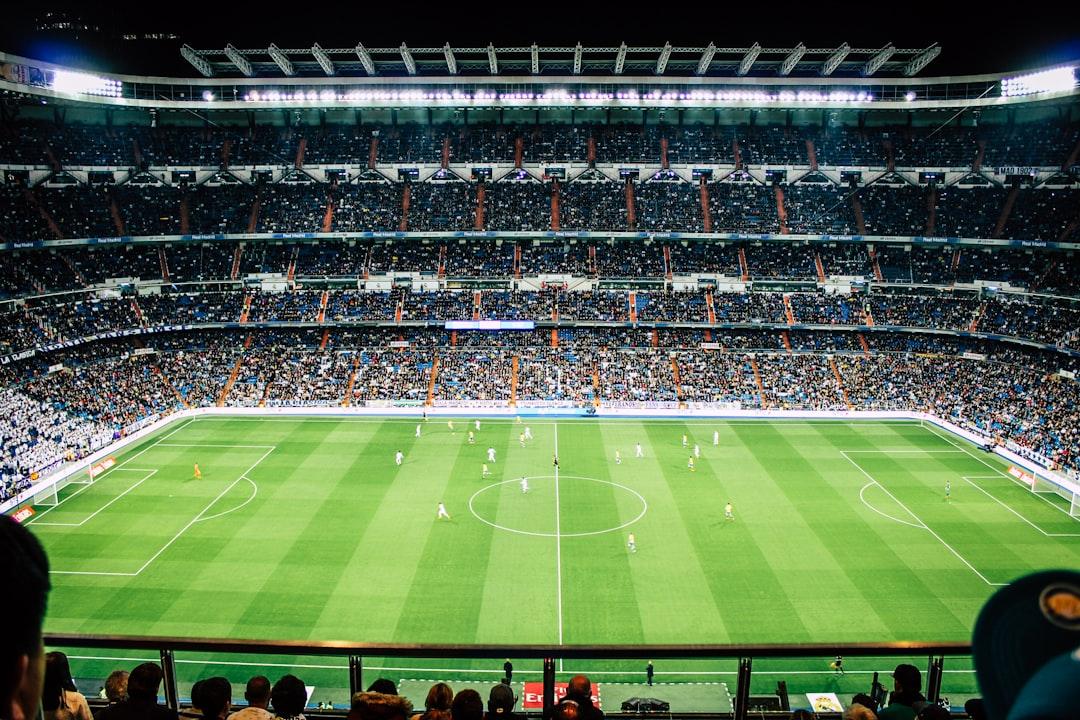
The neon lights of Miami provided the backdrop for what many expected to be a routine exhibition of South American dominance. When the reigning FIFA World Cup champions, Argentina, took the pitch against Cape Verde, the script seemed pre-written. However, football rarely adheres to the expectations of the masses. The match, which saw the 'Blue Sharks' of Cape Verde fight back to find a stunning equalizer after a Lionel Messi opener, serves as a poignant reminder that the hierarchy of global football is shifting in real-time.
For Argentina, these fixtures are more than just commercial opportunities; they are critical diagnostic tests for a squad attempting the Herculean task of defending their global crown in 2026. For Cape Verde, a nation of just over half a million people, it was a statement to the world that tactical discipline and collective belief can neutralize individual genius.
Lionel Messi remains the gravitational center of the Argentine universe. His first-half goal was a masterclass in spatial awareness and clinical finishing—a sequence that sent the Miami crowd into a frenzy. Yet, the match also highlighted what analysts are calling the 'Messi Paradox.' While his individual brilliance can still decide games, the team’s reliance on his moments of magic occasionally leads to a dangerous drop in collective intensity.
After taking the lead, Argentina appeared to shift into a lower gear. In the high-stakes environment of international football, such complacency is often punished. The lack of a 'kill instinct' to put the game away allowed Cape Verde to grow in confidence, moving from a low-block defensive posture to a more adventurous transition game that eventually caught the Albiceleste defense off guard.
Cape Verde’s equalizer was not a fluke of luck but a result of sustained pressure and tactical execution. In recent years, African nations have benefited immensely from the globalization of the sport. With many of their players competing in top-tier European leagues, the 'fear factor' associated with playing against giants like Argentina has significantly diminished.
Key takeaways from Cape Verde’s performance include:
- Tactical Flexibility: The ability to switch from a 5-4-1 defensive shell to a 4-3-3 offensive press within seconds.
- Athleticism and Recovery: Using superior physical conditioning to exploit the spaces left by Argentina’s aging midfield core.
- Psychological Resilience: Refusing to capitulate after conceding early to the world's greatest player.
This performance is a microcosm of a broader trend we expect to see at the 2026 FIFA World Cup: the 'minnow' no longer exists. The gap in coaching quality and data-driven preparation has narrowed, making every match a potential banana skin for the traditional powerhouses.
Lionel Scaloni, the architect of Argentina’s recent successes, will likely view this draw as a necessary wake-up call. The ease with which Cape Verde penetrated the Argentine lines in the second half suggests that the defensive transition—the moment a team loses possession—remains a work in progress.
Argentina’s defensive structure, while robust during their 2022 campaign, is facing the natural challenges of an aging cycle. Integrating younger talents like Alejandro Garnacho and Enzo Fernández is essential, but finding the right balance between youthful energy and the veteran composure of the 'Old Guard' is a delicate act. In Miami, that balance was noticeably absent during the period leading up to the equalizer.
As we look toward the 2026 tournament, hosted across North America, the implications of this match are significant. The expanded 48-team format means that established giants will face more 'unconventional' opponents in the early stages. If Argentina struggles to maintain focus against a team like Cape Verde in a friendly, the pressure of a knockout stage against a highly motivated underdog could prove catastrophic.
Furthermore, the match highlights the importance of squad depth. Argentina’s second-half substitutions failed to regain control of the midfield, allowing Cape Verde to dictate the tempo. For any team aspiring to win a World Cup, the 'bench' must be as tactically astute as the starting eleven.
The stalemate in Miami is a victory for the sport's unpredictability. It serves as a testament to the growth of football in the CAF region and a cautionary tale for CONMEBOL and UEFA giants. As the road to 2026 intensifies, the narrative is no longer just about the superstars like Messi; it is about the collective spirit of nations like Cape Verde who refuse to be mere footnotes in someone else’s story.
Argentina leaves Miami with questions to answer, while Cape Verde leaves with the respect of the footballing world. In the grand theater of international football, the drama is only just beginning.
Enjoying this article?
Get the daily AI briefing sent straight to your inbox.
Frequently Asked Questions
Who scored for Argentina against Cape Verde?
Lionel Messi scored the opening goal for Argentina in the first half of the match held in Miami.
Why is the draw against Cape Verde significant for Argentina?
It serves as a tactical wake-up call, exposing defensive lapses and a reliance on individual brilliance ahead of the 2026 FIFA World Cup.
What does this result mean for the 2026 FIFA World Cup?
It suggests that the gap between elite teams and smaller nations is closing, making the expanded 48-team tournament more unpredictable than ever.
Comments
0Please sign in to leave a comment.
Related articles
Noni Madueke Praises Arsenal’s 'Champions' Mentality After Nottingham Forest Win
Noni Madueke has publicly lauded Arsenal’s recent performance against Nottingham Forest, noting a distinct 'champions' spirit within Mikel Arteta’s squad.
Alessio Tacchinardi Slams Juventus and Spalletti Amid Stagnation Concerns
Former midfielder Alessio Tacchinardi has delivered a scathing critique of Juventus and Luciano Spalletti, arguing that neither the club nor the national team shows signs of progress.
PSG Stunned: Nuno Mendes Injury Rules Star Out of Barcelona Showdown
Paris Saint-Germain faces a defensive crisis as star Nuno Mendes is ruled out for several weeks due to a muscle injury, missing the crucial Barcelona clash.