- Facundo Tello gained global notoriety for issuing ten red cards in a single Argentine Super Cup match.
- His officiating style is defined by strict adherence to rules and a refusal to lose control of high-pressure games.
- Tello's experience in intense domestic leagues serves as preparation for the demands of international tournaments like the World Cup.
- The ongoing debate surrounding Tello reflects the tension between strict discipline and the flow of modern professional football.
The Infamous Ten-Red Card Referee: Facundo Tello’s Path to the World Cup Stage
From a chaotic Argentine Super Cup to the global spotlight, Facundo Tello’s officiating style remains one of football's most debated topics.
Jul 9, 2026·0 views
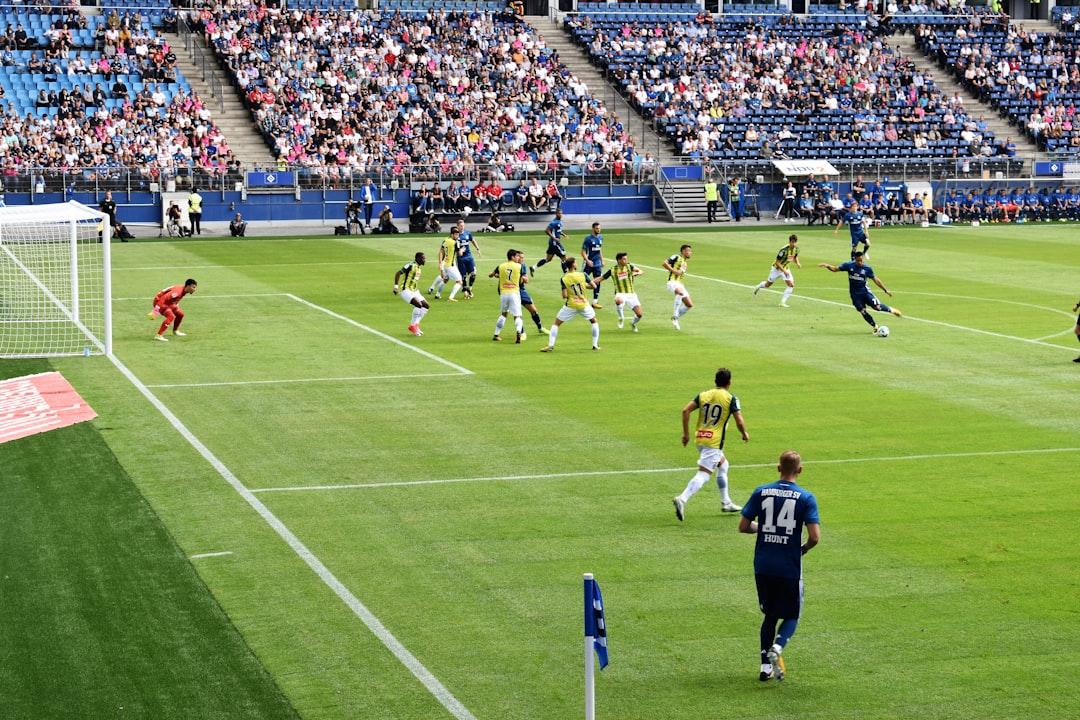
Key Takeaways
In the high-stakes world of professional football, officiating is often a thankless task. However, few referees have managed to etch their names into the history books quite like Argentine official Facundo Tello. Known for his uncompromising approach to the rulebook, Tello became a global talking point following a chaotic Argentine Super Cup match that saw him brandish ten red cards. As the football world looks toward the future of elite tournament officiating, Tello’s journey from domestic controversy to international acclaim serves as a fascinating study of character and control.
The incident that propelled Tello into the international spotlight occurred during a heated Argentine Super Cup encounter between Boca Juniors and Racing Club. What began as a standard championship match quickly devolved into a display of frayed nerves and aggressive conduct. Tello, refusing to lose control of the game, exercised his authority in a way rarely seen at the top level of the sport.
By the time the final whistle blew, Tello had sent off ten players. The decision was not merely a reaction to violent conduct but a firm statement that the laws of the game would be upheld regardless of the players' reputations or the magnitude of the occasion. While critics argued that the referee was too quick to reach for his pockets, supporters of the game praised his refusal to allow the match to descend into total anarchy. This moment defined his officiating identity: a man who prioritizes order over the flow of the game.
As we move closer to the 2026 FIFA World Cup, the role of the referee is under more scrutiny than ever before. With the integration of VAR (Video Assistant Referee) and semi-automated offside technology, the margin for human error is shrinking. However, the personality of the referee remains the final arbiter of how a match is managed.
Facundo Tello represents a style of officiating that is becoming increasingly rare in the modern game—one that is highly disciplinary and focused on deterrence. In a sport where players are often accused of 'simulation' or 'gamesmanship,' having an official who is not afraid to utilize the full extent of his disciplinary power provides a necessary check on player behavior. Whether this style translates effectively to the global stage, where cultural differences and high-pressure stakes collide, remains a subject of intense debate among pundits and fans alike.
Transitioning to the FIFA World Cup requires a different level of psychological preparation. Referees are tasked with managing some of the most talented and temperamental athletes on the planet. Tello’s experience in the Argentine league—often described as one of the most intense environments in world football—has prepared him for the volatility of international tournaments.
- Consistency: The primary goal for referees like Tello is to maintain a consistent threshold for fouls throughout a tournament.
- Communication: Modern referees must balance strict rule enforcement with clear communication to team captains.
- VAR Integration: Referees must trust the technology while maintaining their own authority on the pitch.
Looking ahead, the footballing community continues to watch Tello’s progression with interest. His career trajectory proves that in the world of sports, there is no such thing as 'bad' publicity if your decisions are rooted in the strict application of the rules. While the ten-red-card match remains his most famous—or infamous—moment, it has undeniably solidified his reputation as a referee who cannot be intimidated.
As the sport continues to evolve, the challenge for Tello and his contemporaries will be finding the balance between being a strict enforcer and a facilitator of the game. For now, he remains one of the most recognizable figures in officiating, and his presence on the pitch ensures that matches are played under a watchful, unwavering eye.
Enjoying this article?
Get the daily AI briefing sent straight to your inbox.
Frequently Asked Questions
Who is the referee that gave out ten red cards?
Facundo Tello, an Argentine football referee, became famous for issuing ten red cards during an Argentine Super Cup match between Boca Juniors and Racing Club.
Why did Facundo Tello issue so many red cards?
Tello issued the cards to maintain control of a match that had become increasingly aggressive and chaotic, adhering strictly to the laws of the game to prevent further escalation.
Comments
0Please sign in to leave a comment.
Related articles

Harvey Araujo Urges Burton Albion to Find Stability After Peterborough Draw
Following a chaotic draw against Peterborough, Harvey Araujo insists Burton Albion must mature quickly to turn promising performances into crucial points.
The Ballon d’OF Countdown: Predicting the 2025-26 Football Elite
With the 2026 Ballon d'Or ceremony approaching, we break down the latest rankings and the methodology behind the coveted Ballon d’OF editorial selection.
Athletic Club Crisis: Gorka Guruzeta Out for Season With ACL Injury
Athletic Club confirms Gorka Guruzeta will miss the remainder of the season after suffering a season-ending cruciate ligament injury against Valencia CF.