- Lionel Messi continues to defy age-related decline through superior tactical intelligence and playmaking.
- The 2026 World Cup in North America offers a unique stage for Messi to solidify his legacy.
- His transition to a deeper, more cerebral role has made him more effective in the modern, high-intensity game.
- The sense of 'inevitability' surrounding his performance remains a key psychological advantage for his team.
The Inevitability of Leo Messi: Chasing Glory at the 2026 World Cup
As the football world turns its eyes toward 2026, Lionel Messi remains the central figure in a narrative defined by resilience, tactical evolution, and sheer brilliance.
Jul 8, 2026·0 views
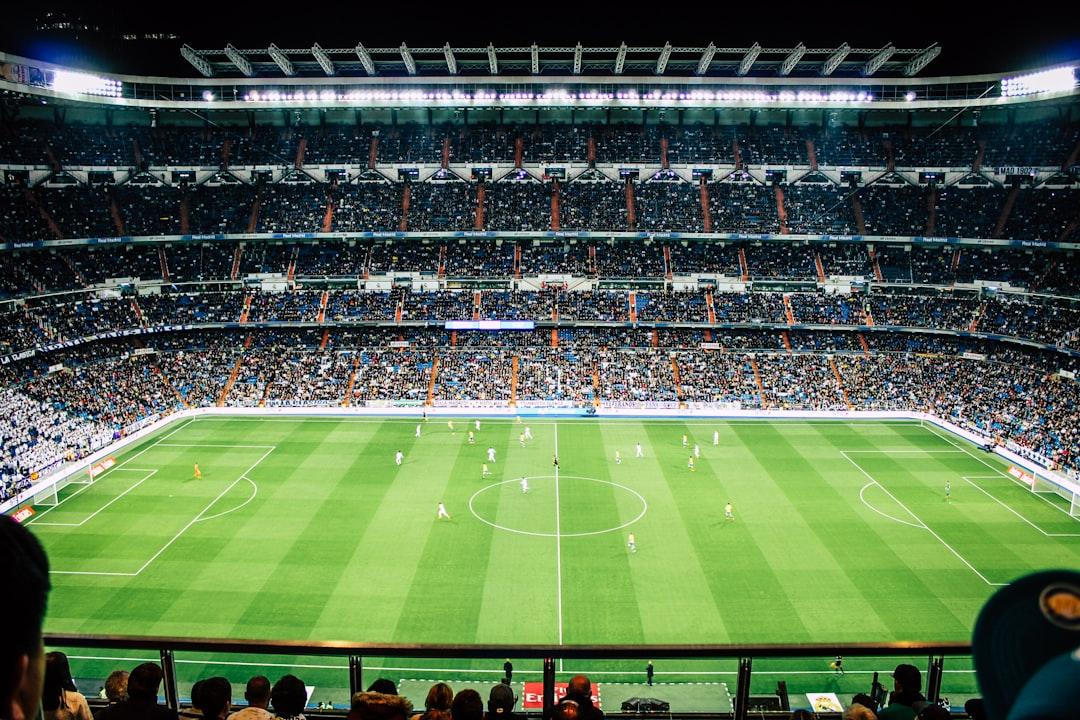
Key Takeaways
In the high-stakes world of professional football, few careers have been as meticulously documented or as intensely scrutinized as that of Lionel Messi. Yet, even as the calendar advances and the physical demands of the sport evolve, the Argentine icon continues to defy the conventional laws of athletic decline. As we look toward the 2026 FIFA World Cup, the conversation is no longer about whether Messi can perform at the highest level—it is about the inevitability of his impact.
For decades, Messi has functioned as the gravitational center of the sport. From his early days at FC Barcelona to his transformative stint in Paris and his current chapter in North America, his ability to manipulate space and time on the pitch remains unparalleled. The recent discourse surrounding his participation in the upcoming 2026 tournament highlights a fundamental truth: Messi does not just play the game; he dictates its rhythm.
One of the most compelling aspects of Messi’s late-career resurgence is his tactical adaptability. Modern football is increasingly defined by high-intensity pressing, rapid transitions, and rigorous physical metrics. While younger players often rely on raw pace, Messi has pivoted toward a role that emphasizes spatial awareness, elite-level decision-making, and the occasional burst of creative genius that can dismantle even the most disciplined defensive structures.
- Spatial Intelligence: Messi’s ability to find pockets of space between defensive lines remains the gold standard for attacking midfielders.
- Playmaking Evolution: Moving away from a pure goal-scoring role, he has embraced the duties of a deep-lying playmaker, distributing the ball with surgeon-like precision.
- Leadership and Mentorship: Beyond his technical contributions, Messi has assumed a more vocal, authoritative role within the Argentina squad, fostering a culture of collective success.
With the 2026 FIFA World Cup set to be co-hosted by the United States, Canada, and Mexico, the tournament represents a unique homecoming of sorts for Messi. His arrival in Major League Soccer (MLS) has not only elevated the league’s profile but has also prepared him for the specific environmental and logistical challenges of playing in North American stadiums. The familiarity with the climate, the travel demands, and the synthetic pitch surfaces could provide a distinct advantage for a player who has spent his entire career mastering new environments.
Critics often point to age as an inevitable barrier, but in the case of the Argentine captain, history suggests that motivation is a more powerful metric than biology. Having already secured the ultimate prize in 2022, the pressure on Messi has shifted from a desperate search for validation to the joy of competition. This shift in mindset has allowed him to play with a level of freedom that is arguably more dangerous for his opponents than his younger, more anxious self ever was.
What makes Messi’s continued presence so captivating is the legacy he is still actively building. Every match he plays serves as a final chapter in a book that many thought was closed long ago. For fans, the 2026 World Cup represents a rare opportunity to witness one of the greatest athletes in human history perform on the world’s grandest stage one last time.
As the tournament approaches, all eyes will be on the Argentine squad. While the team is no longer solely reliant on his individual heroics, his presence acts as a force multiplier. His teammates know that if the game is tied in the dying minutes, the ball will inevitably find its way to him. In those moments, the outcome is rarely in doubt. It is this sense of inevitability that continues to define the Messi legend, proving that while time waits for no man, some men manage to stall time for just a little while longer.
Enjoying this article?
Get the daily AI briefing sent straight to your inbox.
Frequently Asked Questions
Will Lionel Messi play in the 2026 World Cup?
While official confirmation depends on his fitness and team selection, Messi has expressed a desire to continue competing at the highest level, making his participation a significant talking point.
How has Messi's playing style changed recently?
Messi has evolved from a traditional forward into a deep-lying playmaker, focusing on elite passing, spatial awareness, and controlling the tempo of the game.
Comments
0Please sign in to leave a comment.
Related articles
Athletic Club Crisis: Gorka Guruzeta Out for Season With ACL Injury
Athletic Club confirms Gorka Guruzeta will miss the remainder of the season after suffering a season-ending cruciate ligament injury against Valencia CF.
Napoli Star Alisson Santos Faces Another Injury Setback After Return
Napoli’s momentum hits a snag as Alisson Santos suffers a fresh injury blow immediately following his return to the pitch.
Kamari Doyle Urges Leicester City to Build Momentum After Doncaster Victory
Leicester City midfielder Kamari Doyle believes the club's recent triumph over Doncaster is the catalyst needed to spark a consistent winning streak.