- Soccer has transitioned from a niche interest to a primary cultural and economic driver in the United States.
- The 2026 FIFA World Cup is expected to be the most lucrative sporting event in history, reshaping North American infrastructure.
- The sport serves as a vital 'unifying force' and a reprieve from political polarization through its inherent multiculturalism.
- Technological advancements, including AI and AR, are set to revolutionize the fan experience during the upcoming 2026 tournament.
The Great American Pivot: How the FIFA World Cup Became the New Cultural North Star
Beyond the pitch, soccer is redefining national identity, economic strategy, and social cohesion ahead of the 2026 global stage.
Jul 11, 2026·0 views

Key Takeaways
For decades, the narrative surrounding soccer in the United States was one of 'perpetual potential.' Critics often dismissed the sport as a secondary interest, overshadowed by the cultural hegemony of the NFL, NBA, and MLB. However, recent trends—culminating in record-breaking viewership and a surge in grassroots participation—suggest that the 'potential' has finally materialized into a powerhouse. The FIFA World Cup has emerged not merely as a sporting event, but as a brilliant reprieve from the fractious nature of modern discourse and a unifying force for an increasingly diverse nation.
The shift is visible in the packed stadiums and the vibrant, multicultural crowds that gather in 'fan zones' from Los Angeles to New York. Unlike the traditional American sports model, which often leans into regional rivalries, the World Cup offers a unique brand of joyous multiculturalism. In a period defined by political polarization, soccer provides a rare shared language, bridging gaps across heritage, language, and geography.
The commercial implications of this shift are staggering. The 2026 FIFA World Cup, which will be co-hosted by the United States, Canada, and Mexico, is projected to be the most lucrative sporting event in history. This isn't just about ticket sales; it is about a wholesale transformation of the North American sports economy. Brands that previously focused solely on the 'Big Three' are now pivoting their long-term marketing budgets toward soccer.
- The Messi Effect: The arrival of Lionel Messi to Inter Miami served as a catalyst, proving that the U.S. market is ready for global icons. This has led to a 'halo effect' on MLS (Major League Soccer) and increased interest in international tournaments.
- Media Rights Explosion: Networks are seeing unprecedented ROI on soccer broadcasts. The accessibility of international leagues via streaming services has cultivated a sophisticated fan base that understands the nuances of the global game.
- Infrastructure Investment: Cities across the U.S. are upgrading stadiums and transportation hubs, not just for the tournament, but to support a permanent soccer-centric ecosystem.
As we look toward 2026, technology will play a pivotal role in how the World Cup is consumed and managed. At Imai News, we have tracked the integration of AI and future-tech in sports, and the upcoming tournament is set to be a testing ground for innovations that will define the next decade.
From AI-driven player analytics that provide real-time insights to broadcasters, to augmented reality (AR) experiences that allow fans in the nosebleed seats to see tactical overlays on their mobile devices, the digital layer of the game is expanding. Furthermore, the use of semi-automated offside technology and advanced data tracking is reducing human error, though not without controversy. This technological evolution ensures that the sport remains fast-paced and engaging for a generation of 'digital-native' fans who demand more than just a passive viewing experience.
The source material highlights a critical point: soccer as an outlet for multiculturalism in an era where such values are often under political attack. The U.S. Men's and Women's National Teams have become symbols of a modern, inclusive America. The roster of the USMNT, in particular, reflects a globalized world, featuring players with dual nationalities and diverse backgrounds who choose to represent the Stars and Stripes.
This 'unifying force' is not accidental. Soccer is inherently democratic; it requires minimal equipment and is played in every corner of the globe. In the U.S., this has allowed the sport to flourish in immigrant communities while simultaneously gaining traction in affluent suburbs. The result is a melting pot of fandom that is uniquely American yet globally connected. During a World Cup summer, the usual political rancor often takes a backseat to the collective anxiety and ecstasy of the knockout stages.
The road to 2026 is paved with both opportunity and challenge. For the U.S. to fully capitalize on this momentum, several factors must align:
- Sustained Grassroots Growth: Ensuring that the professional success of the sport trickles down to youth academies and public parks.
- Technological Accessibility: Utilizing AI to personalize the fan journey, making it easier for new fans to understand the rules and history of the teams.
- Cultural Diplomacy: Leveraging the tournament to repair and strengthen international ties, positioning the U.S. as a welcoming global host.
In conclusion, the United States' love affair with the World Cup is not a fleeting summer romance. It is a fundamental realignment of the country's cultural and commercial priorities. As the world turns its eyes toward North America in 2026, the 'beautiful game' will likely be the bridge that connects a divided nation to the rest of the planet, proving once and for all that soccer has finally come home to the U.S. market.
Enjoying this article?
Get the daily AI briefing sent straight to your inbox.
Frequently Asked Questions
Why is soccer growing so rapidly in the United States now?
The growth is driven by shifting demographics, the 'Messi effect' in MLS, increased accessibility through streaming, and the anticipation of the 2026 FIFA World Cup being hosted on home soil.
How will the 2026 World Cup impact the US economy?
It is projected to generate billions in revenue through tourism, media rights, and brand sponsorships, while also accelerating infrastructure projects in key host cities.
What role does technology play in the future of the World Cup?
AI and data analytics are being used for everything from player performance tracking to enhancing fan engagement through augmented reality and personalized digital content.
Comments
0Please sign in to leave a comment.
Related articles
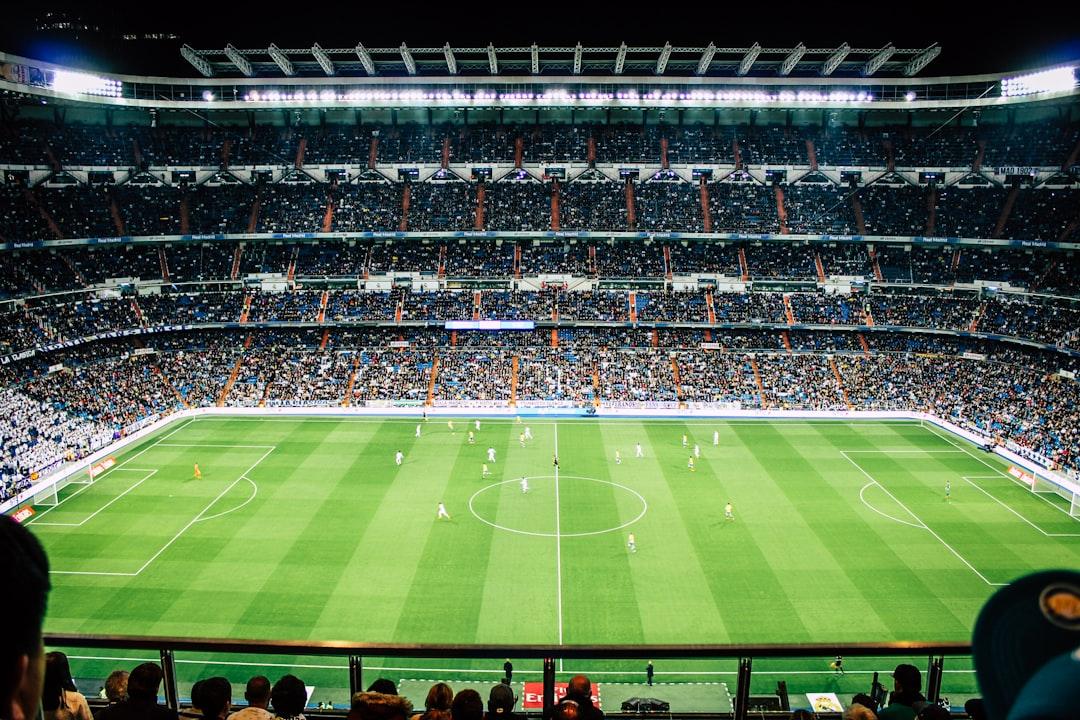
England vs. Norway: How to Watch the World Cup Quarter-Final Thriller
England takes on Norway in a high-stakes World Cup quarter-final clash. Find out how to catch every minute of the action, regardless of your location.
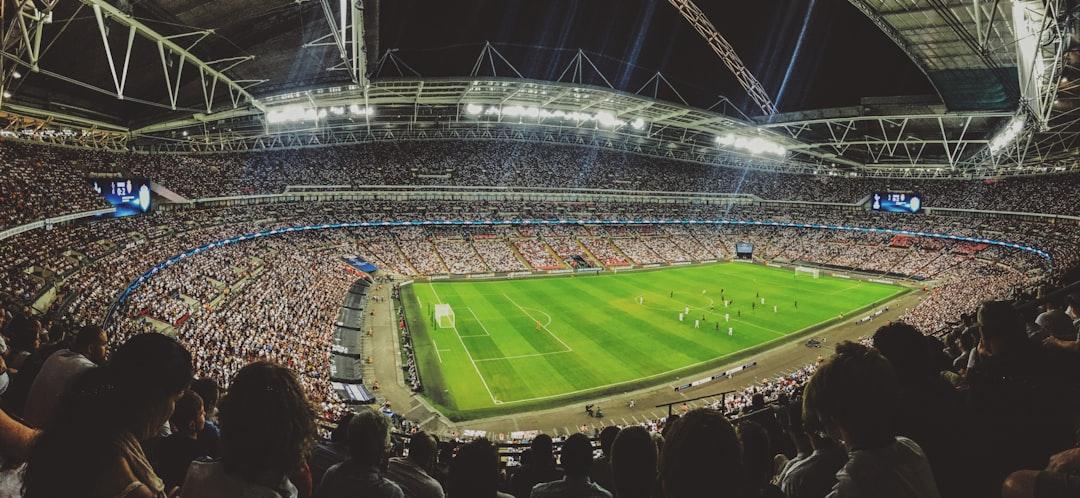
Real Madrid Eyes Historic Goal-Scoring Record at FIFA World Cup 2026
Despite a challenging start to the 2026 tournament, Real Madrid players are on the cusp of setting a new record for total goals scored by a single club in World Cup competition.
Ken Bates, Former Chelsea and Leeds United Owner, Dies at 94
Ken Bates, the high-profile football executive who orchestrated Chelsea's rise to prominence and later steered Leeds United through financial turmoil, has passed away at 94.