- AC Milan's return to training at Milanello highlights the growing, year-round global demand for televised football content.
- The sports broadcasting landscape is shifting rapidly as streaming giants challenge traditional linear TV networks for premium football rights.
- Club pre-season preparations are increasingly data-driven, utilizing advanced sports science to manage player loads ahead of the expanded FIFA World Cup 2026.
- International pre-season tours, particularly in North America, remain vital for European clubs to build brand equity and capitalize on the growing US soccer market.
The Global Football Broadcasting Boom: How AC Milan's Return to Milanello Signals a High-Stakes Era for Sports Media
As European giants kick off pre-season training, the intersection of live sports streaming, player welfare, and the road to the FIFA World Cup 2026 takes center stage.
Jul 13, 2026·0 views
Key Takeaways
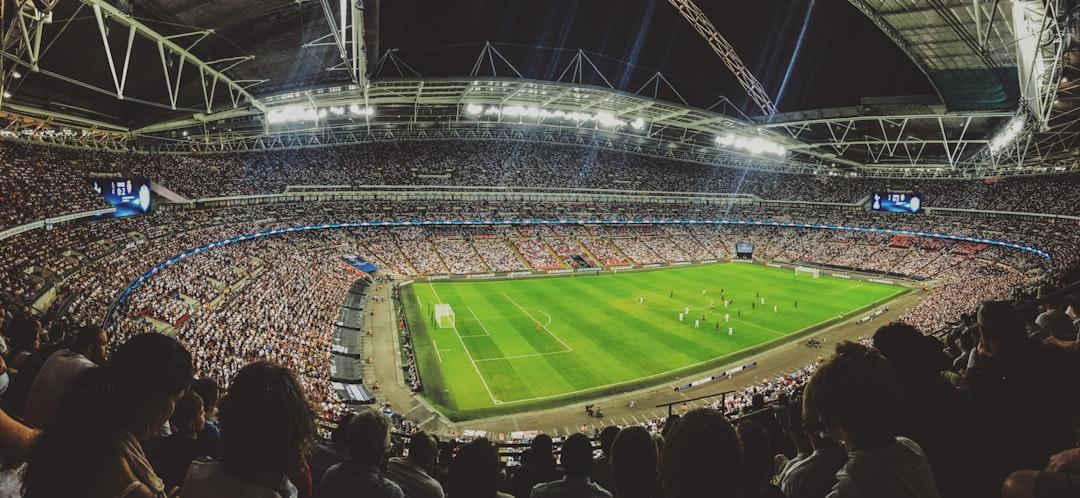
The global appetite for live football on television has never been more pronounced. As the brief summer lull draws to a close, the return of elite club football is met with unprecedented anticipation. This week, the spotlight shines brightly on Italy as AC Milan commences its first outdoor training sessions on the pristine pitches of Milanello. For the Rossoneri faithful, the sight of players returning to the turf is a highly anticipated ritual. For the broader sports industry, however, it represents the kickoff of a high-stakes broadcast and commercial cycle that will directly influence the trajectory of the game leading up to the FIFA World Cup 2026.
The modern football ecosystem is no longer confined to traditional seasonal boundaries. The transition from off-season recovery to pre-season preparation has become a highly televised, heavily marketed global event. As broadcasters scramble to secure live sports rights, the preparation of elite clubs like AC Milan serves as a crucial barometer for the health, marketability, and strategic direction of global football.
At Milanello, the air is thick with expectation. The historic training ground, which has hosted some of the greatest legends in football history, is once again buzzing with activity. This pre-season is particularly critical for AC Milan as they navigate tactical recalibrations, integrate new signings, and adapt to evolving managerial philosophies.
For fans watching from afar, the access to training sessions, behind-the-scenes documentaries, and live-streamed friendly matches has transformed the supporter experience. What was once a private, localized preparation phase is now a premium digital product. This shift highlights a broader trend in football media: the insatiable demand for year-round content. Broadcasters and club-owned media channels are leveraging digital platforms to feed this hunger, offering fans unprecedented access to tactical drills, fitness assessments, and player interviews long before the official season kicks off.
The excitement surrounding AC Milan's return to the pitch occurs against the backdrop of a massive paradigm shift in how live sports are consumed. Traditional linear television networks are increasingly sharing the stage—and in some cases, losing ground to—global streaming giants. Platforms like Amazon Prime, Apple TV, Paramount+, and DAZN have aggressively acquired premium football rights, rewriting the rules of sports media distribution.
This streaming revolution has democratized access to international leagues, allowing a fan in New York or Tokyo to watch AC Milan's training matches with the same ease as a supporter in Lombardy. However, this fragmentation of broadcast rights also presents challenges. Fans are forced to navigate multiple subscription services to follow their favorite teams, leading to subscription fatigue. For leagues and clubs, the challenge lies in balancing lucrative broadcast contracts with the need to maintain broad, accessible reach to cultivate the next generation of supporters.
Every pass, sprint, and tactical drill executed at Milanello this season carries weight beyond the immediate domestic and European campaigns. We are firmly within the cycle leading to the expanded, 48-team FIFA World Cup 2026, set to take place across Canada, Mexico, and the United States.
For elite players, the club season is both a showcase and a grueling physical test. National team managers will be watching club performances closely, monitoring not just form, but physical durability. The modern football calendar is notoriously congested, and the demands placed on top-tier athletes have reached a tipping point.
To mitigate the risk of burnout and injury ahead of the FIFA World Cup 2026, clubs like AC Milan are investing heavily in advanced sports science. Pre-season at Milanello is no longer just about building cardiovascular endurance; it is a highly scientific, data-driven operation.
- Biometric Tracking: Players wear GPS-enabled vests that monitor heart rate variability, metabolic distance, and acceleration forces in real-time.
- Predictive Analytics: AI-driven software analyzes player movement patterns to identify early indicators of muscular fatigue, allowing coaches to tailor individual recovery protocols.
- Nutritional Optimization: Personalized dietary regimens are designed to accelerate muscle repair and optimize energy systems for the high-intensity pressing styles modern tactics demand.
By prioritizing player welfare during the club season, teams not only protect their multi-million-dollar assets but also ensure that players arrive at the international stage in peak physical condition.
Following their initial training block at Milanello, AC Milan, like many of Europe's elite, will embark on lucrative international promotional tours. These tours serve a dual purpose: preparing the squad against top-tier opposition and expanding the club's commercial footprint in key growth markets, particularly North America.
With the United States co-hosting the FIFA World Cup 2026, the region has become the primary battleground for European football brands. Friendly matches played in front of sold-out NFL stadiums are highly lucrative, generating millions in ticket sales, merchandising, and localized sponsorship deals. These tours are vital for building brand equity, turning casual television viewers into lifelong club members, and securing the commercial revenue necessary to compete at the highest levels of the transfer market.
As the players walk onto the outdoor pitches at Milanello, the broader implications for the sports industry are clear. The upcoming season is not merely a quest for silverware; it is a critical testing ground for broadcasting innovations, consumer engagement strategies, and player management protocols.
In an era where sports content is consumed across fragmented digital ecosystems, the clubs that successfully bridge the gap between local heritage and global accessibility will thrive. For AC Milan, the journey begins on the quiet pitches of Milanello. For the rest of the world, the spectacle will be broadcast in high definition, signaling the start of an exhilarating run toward the grandest stage of all in 2026.
Enjoying this article?
Get the daily AI briefing sent straight to your inbox.
Frequently Asked Questions
Why is pre-season training at Milanello attracting so much media attention?
Pre-season training has evolved from private preparation into a highly marketability digital product. Media outlets and club platforms stream training sessions and friendly matches to satisfy the year-round global demand for football content.
How is the streaming war affecting football fans?
While streaming platforms like Amazon, Paramount+, and Apple TV have made international football more accessible globally, the fragmentation of broadcast rights means fans often need multiple subscriptions to watch their favorite teams, leading to subscription fatigue.
What role does sports science play in preparing players for the FIFA World Cup 2026?
With an incredibly congested club calendar, elite clubs are using biometric tracking and predictive AI analytics to monitor player fatigue and prevent injuries, ensuring athletes remain fit for both domestic campaigns and the upcoming World Cup.
Comments
0Please sign in to leave a comment.
Related articles
Plymouth Parkway Boss Karl Curtis Eyes EFL Clash in Historic FA Cup Run
Plymouth Parkway has reached the FA Cup first round for the first time in club history, with manager Karl Curtis eager to test his squad against an EFL powerhouse.
Juventus Injury Crisis: Francisco Conceição Sidelined After Lazio Defeat
Juventus faces a major setback after Francisco Conceição was sidelined with an injury following their 3-0 defeat to Lazio, complicating their Serie A campaign.
Sevilla Duo Slam VAR Decision in Controversial Clash Against Real Madrid
Sevilla players have publicly questioned VAR's inconsistency following their 4-1 loss to Real Madrid, specifically highlighting a missed red card incident involving Arda Guler.