- Liverpool is pivoting toward elite French talent to anchor the post-Klopp era under Arne Slot.
- The recruitment strategy is heavily influenced by the return of Michael Edwards and a data-driven AI scouting approach.
- The move aims to future-proof the squad ahead of the 2026 FIFA World Cup cycle, targeting high-growth assets.
- Tactically, the new signing is expected to fit Slot’s emphasis on positional play and high-pressure transitions.
The French Connection: Decoding Liverpool’s Strategic Pivot in the Post-Klopp Era
As Arne Slot takes the reins at Anfield, a high-stakes pursuit of French talent signals a new chapter in FSG’s data-driven recruitment evolution.
Jul 16, 2026·0 views
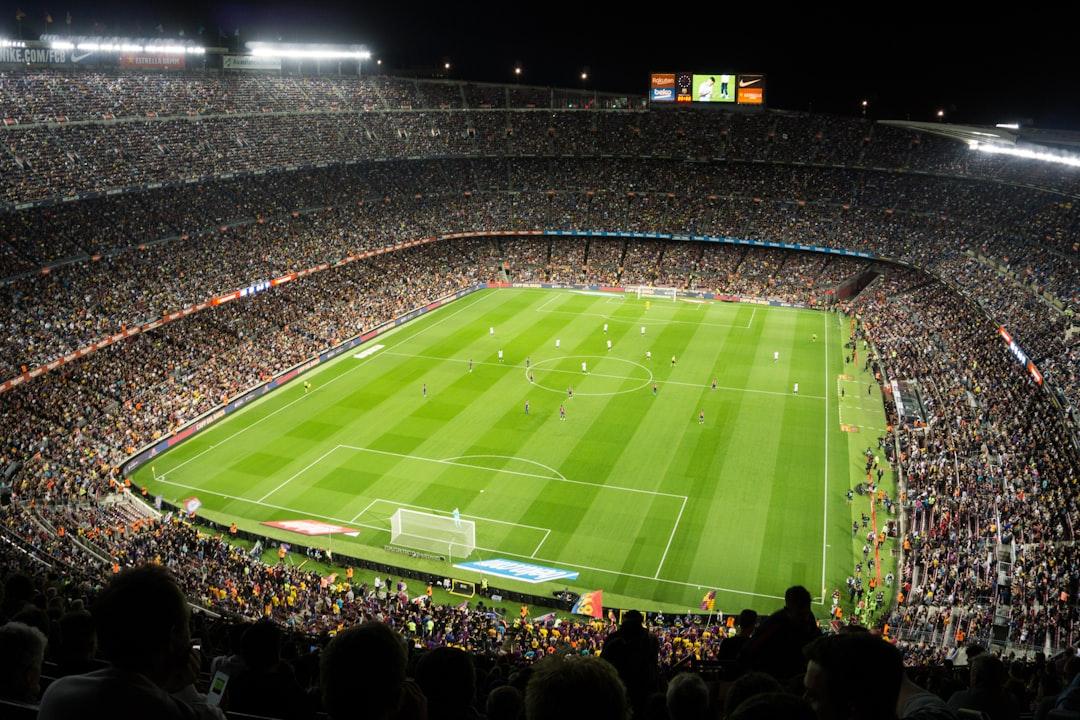
Key Takeaways
The transition of power at a football club as storied as Liverpool FC is rarely a quiet affair. Following the departure of Jurgen Klopp, the Merseyside giants have entered a period of calculated recalibration. While much of the media focus has rested on head coach Arne Slot’s tactical adjustments on the training pitch, the real seismic shifts are occurring in the boardroom and the scouting departments. The recent acquisition of Victor Munoz served as a subtle opening gambit, but the impending arrival of a high-profile French star signals that Liverpool is ready to flex its financial and analytical muscles once again.
This move is not merely a reaction to a vacant squad spot; it is a statement of intent. Under the renewed leadership of Michael Edwards, FSG’s CEO of Football, and Sporting Director Richard Hughes, Liverpool is returning to the aggressive, data-led recruitment style that defined their most successful period in the late 2010s. The French market, arguably the most fertile ground for elite athletic talent in the modern game, has become the primary theater of operation for the Reds.
France’s dominance in youth development is unparalleled. As we approach the 2026 FIFA World Cup, the depth of the French national pool is so profound that even secondary targets for Les Bleus are considered world-class starters in the Premier League. By targeting a 'French Star'—widely speculated in scouting circles to be a dynamic midfield engine or a versatile forward—Liverpool is tapping into a lineage of success.
The logic is clear: French-trained players often possess the unique blend of tactical discipline and raw physical output required for the high-intensity demands of the Premier League. For Arne Slot, whose system demands high-pressing and rapid transitions, a player groomed in the rigorous academies of Ligue 1 offers a shorter adaptation period. Furthermore, with the 2026 World Cup on the horizon, these players are motivated by the prospect of securing a starting spot in Didier Deschamps' squad, ensuring Liverpool receives a player at the peak of their professional hunger.
At Imai News, we have long tracked the intersection of technology and sport. Liverpool’s recruitment team is known to utilize sophisticated AI-driven models to predict player longevity and tactical fit. The pursuit of this French international isn't based on 'eye-test' alone; it is the result of thousands of simulated match hours.
- Predictive Analytics: Liverpool’s models assess how a player’s output will change when moved from a lower-possession Ligue 1 side to a high-dominance Premier League environment.
- Injury Resilience: The French star in question has likely cleared rigorous biometric benchmarks that suggest a low risk of the soft-tissue injuries that plagued Liverpool’s 2023/24 campaign.
- Market Value Appreciation: FSG’s model relies on buying 'undervalued' assets before they hit their peak. A 22-to-24-year-old French international represents the 'sweet spot' for resale value and peak performance.
Arne Slot’s arrival has brought a subtle shift from Klopp’s 'heavy metal football' toward a more controlled, 4-2-3-1 or 4-3-3 hybrid system that emphasizes positional play. The reported French target is expected to occupy a role that demands high ball retention under pressure.
In the current Premier League landscape, the 'Double Pivot' has become the standard for defensive stability. If the incoming star is a midfielder, their role will be to provide the defensive screen that allows the likes of Trent Alexander-Arnold and Alexis Mac Allister more creative freedom. If the target is an attacker, expect a player who excels in 'half-spaces'—the areas between the opponent's wing-backs and center-backs—which Slot famously exploited during his tenure at Feyenoord.
In an era of Profit and Sustainability Rules (PSR), every 'blockbuster' move must be balanced with surgical precision. Liverpool’s ability to spend on a French star is a testament to their healthy wage-to-turnover ratio. Unlike some of their rivals, who are currently hamstrung by previous overspending, Liverpool has the liquidity to move quickly.
This transfer also serves as a defensive maneuver against the rising influence of State-backed clubs. By securing top-tier talent before they become the subject of a bidding war with the likes of PSG or Real Madrid, Liverpool maintains its status as a destination club. The 'yes' from the player indicates that the project under Arne Slot is viewed as a viable path to both domestic and European silverware.
The signing of a French international is more than just a personnel update; it is a signal that the post-Klopp transition is ahead of schedule. By combining the return of Michael Edwards' analytical oversight with Arne Slot’s fresh tactical perspective, Liverpool is positioning itself to be a primary contender for the 2024/25 title and beyond. As the 2026 FIFA World Cup looms, Anfield is once again becoming the epicenter for the world’s most exciting talent.
Enjoying this article?
Get the daily AI briefing sent straight to your inbox.
Frequently Asked Questions
Who is the French star Liverpool is targeting?
While specific names are often kept confidential until the final stages, reports suggest Liverpool is looking at high-ceiling French internationals in Ligue 1 who fit Arne Slot's high-intensity tactical requirements.
How does Arne Slot's style differ from Jurgen Klopp's?
Arne Slot tends to favor more controlled possession and a structured 4-2-3-1 formation, whereas Klopp was famous for his 'heavy metal' 4-3-3 and chaotic high-pressing transitions.
What is the impact of Michael Edwards' return?
Michael Edwards' return as CEO of Football for FSG brings back the rigorous, data-led recruitment strategy that helped Liverpool win the Premier League and Champions League.
Comments
0Please sign in to leave a comment.
Related articles
Plymouth Parkway Boss Karl Curtis Eyes EFL Clash in Historic FA Cup Run
Plymouth Parkway has reached the FA Cup first round for the first time in club history, with manager Karl Curtis eager to test his squad against an EFL powerhouse.
Juventus Injury Crisis: Francisco Conceição Sidelined After Lazio Defeat
Juventus faces a major setback after Francisco Conceição was sidelined with an injury following their 3-0 defeat to Lazio, complicating their Serie A campaign.
Sevilla Duo Slam VAR Decision in Controversial Clash Against Real Madrid
Sevilla players have publicly questioned VAR's inconsistency following their 4-1 loss to Real Madrid, specifically highlighting a missed red card incident involving Arda Guler.