- France has transitioned into a highly aggressive, attacking-focused team.
- The success is attributed to a long-term structural revolution in player development.
- Tactical flexibility and high-press intensity define the current French squad.
- Les Bleus enter the 2026 World Cup as the team to beat due to squad depth and experience.
The French Blueprint: How Les Bleus Became a 2026 World Cup Juggernaut
A tactical and cultural overhaul has transformed the French national team into an attacking force that pundits are calling the greatest of their generation.
Jul 3, 2026·0 views
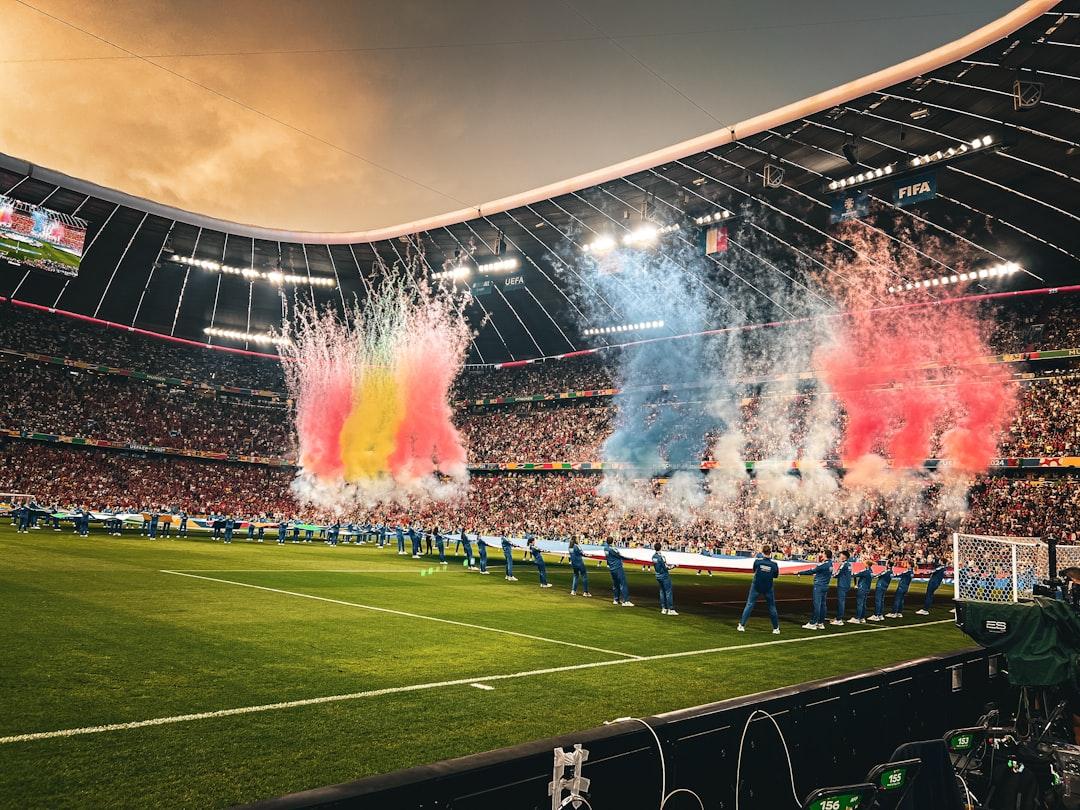
Key Takeaways
In the landscape of international football, few nations have managed to sustain success as consistently as France. As the world turns its eyes toward the 2026 FIFA World Cup, the conversation surrounding Les Bleus has shifted from mere speculation to a firm belief in their inevitability. Under the meticulous guidance of their current technical framework, France has evolved from a defensively disciplined unit into what many experts now describe as one of the most potent attacking teams in the history of the sport.
This transformation was not an overnight success. It is the result of a long-term, structural revolution that began in the corridors of the Clairefontaine academy and extended onto the global stage. By integrating a blend of tactical flexibility and a relentless influx of world-class talent, the French Football Federation has built a machine that seems immune to the traditional cycles of decline that plague other international giants.
Historically, French teams were often characterized by their tactical pragmatism. While effective, this approach sometimes stifled the creative potential of their star-studded rosters. The current iteration of the team, however, has embraced a more expansive philosophy. The tactical evolution has focused on maximizing the transition phase, where the sheer pace and technical proficiency of their forward line can dismantle even the most organized defensive blocks.
Key components of this revolution include:
- Midfield Fluidity: The transition from a rigid double-pivot to a more dynamic, ball-carrying midfield has allowed the team to control the tempo of matches while maintaining the ability to launch rapid counter-attacks.
- Positional Versatility: Players are no longer confined to static roles. The modern French squad features athletes who can rotate across the front three, creating confusion for opposing defenders and opening pockets of space that were previously unavailable.
- High-Press Intensity: The defensive transition now starts the moment possession is lost. By employing a high-intensity press, France forces turnovers in the final third, effectively turning their defensive efforts into offensive opportunities.
No discussion of France’s dominance is complete without acknowledging the depth of their talent pool. The French development system remains the gold standard for global football. By consistently producing players who are technically adept and tactically aware by the time they reach the senior level, the coaching staff enjoys a luxury that most national team managers can only dream of.
This depth ensures that the team remains competitive regardless of injuries or dips in form. The 2026 squad is expected to feature a blend of established veteran leaders who have tasted World Cup glory and young, hungry phenoms who are eager to make their mark on the biggest stage. This generational bridge is critical, as it balances the composure of experience with the unpredictability of youth.
As the tournament draws closer, the pressure on France will be immense. Being labeled as the 'best attacking team ever' is a heavy mantle to carry. Yet, the current setup appears equipped to handle the scrutiny. The focus has been on mental conditioning and maintaining the internal culture that has kept the squad unified through various international windows.
Analysts suggest that France’s biggest hurdle will not be the opposition, but rather managing the weight of expectation. However, with a proven track record in major tournaments and a squad that is currently firing on all cylinders, the path to 2026 looks increasingly clear for the French. If they can maintain their current trajectory, they are not just contenders; they are the benchmark against which all other nations will be measured.
Whether this revolution culminates in another trophy remains to be seen, but the process itself has been a masterclass in sports management. By prioritizing long-term development over short-term fixes, France has secured its place at the top of the football hierarchy. For fans and rivals alike, the message is clear: the French revolution is far from over, and the world is about to witness a team operating at the absolute peak of its powers.
Enjoying this article?
Get the daily AI briefing sent straight to your inbox.
Frequently Asked Questions
Why is France considered a favorite for the 2026 World Cup?
France is considered a favorite due to their exceptional depth of talent, a tactical shift toward an aggressive attacking style, and a proven track record of success in major international tournaments.
What defines the 'French revolution' in football?
The revolution refers to a long-term overhaul of the French youth development system and a tactical shift that prioritizes positional versatility and high-intensity transitions.
Comments
0Please sign in to leave a comment.
Related articles
Noni Madueke Praises Arsenal’s 'Champions' Mentality After Nottingham Forest Win
Noni Madueke has publicly lauded Arsenal’s recent performance against Nottingham Forest, noting a distinct 'champions' spirit within Mikel Arteta’s squad.
Alessio Tacchinardi Slams Juventus and Spalletti Amid Stagnation Concerns
Former midfielder Alessio Tacchinardi has delivered a scathing critique of Juventus and Luciano Spalletti, arguing that neither the club nor the national team shows signs of progress.
PSG Stunned: Nuno Mendes Injury Rules Star Out of Barcelona Showdown
Paris Saint-Germain faces a defensive crisis as star Nuno Mendes is ruled out for several weeks due to a muscle injury, missing the crucial Barcelona clash.